THE ADVENTURE COLLECTIVE® · Independent discovery and booking for outdoor travel

Learn to surf where local instructors read the swell like a map. Small groups, provided equipment and flexible pick-up mean more time practicing in the water and less time waiting on the sand.
Learn to surf where local instructors read the swell like a map. Small groups, provided equipment and flexible pick-up mean more time practicing in the water and less time waiting on the sand.
The Atlantic hits Corralejo with a steady rhythm; wind teases the dunes and the ocean pushes you toward the line where foam turns into a ride. On a typical morning the surf school vans load up at the Protest Surfcenter and head to whichever beach has the cleanest, most consistent waves for your level—El Cotillo’s lefts, the softer peaks near Playa Blanca, or the sheltered reef breaks to the east.
Verified experiences and guided adventures in the surrounding area.
Operated by Protest Surfcenter · Corralejo, Fuerteventura
The Atlantic hits Corralejo with a steady rhythm; wind teases the dunes and the ocean pushes you toward the line where foam turns into a ride. On a typical morning the surf school vans load up at the Protest Surfcenter and head to whichever beach has the cleanest, most consistent waves for your level—El Cotillo’s lefts, the softer peaks near Playa Blanca, or the sheltered reef breaks to the east.
Fuerteventura is volcanic—black rock under pale sand—and Corralejo grew from a fishing settlement into the island’s surf capital. The dunes of the nearby Natural Park tell a recent geological story of wind-sculpted sand, while local surf culture blends Canarian hospitality with international stoke: instructors who grew up on these breaks and teach by reading swell, wind and tide.
Expect a tight, four-hour lesson: warm-up, technique drills on the sand, and roughly 2.5 hours in the water in groups capped at six students per instructor. Conditions vary from glassy mornings to wind-driven afternoons; instructors will pick spots to match ability and safety. Lessons suit true beginners through intermediate surfers seeking skill progression.
Practical notes: bring swimwear, sun protection and a small bottle for hydration; instructors provide boards, wetsuits and transfers. Wear sturdy sandals for rocky access and plan lessons early to avoid onshore wind. If you want video feedback or private coaching, ask ahead—small groups make targeted progression possible. With consistent swell year-round and warm water in summer, Corralejo offers dependable learning waves and a direct route from first pop-up to catching your own green wave.
moderate.
4 hours.
Suitable for people in average fitness: able to paddle, pop up repeatedly, and handle short swims; beginners should be comfortable in the ocean.
Yes—lessons include use of a board, leash, wetsuit and basic surf equipment; bring your own if you prefer a personal setup.
Lessons welcome a wide age range; there are special kids’ sessions—confirm age limits when booking and note very young children may need a parent in shallow drills.
You should be comfortable in open water and able to swim short distances; instructors tailor sessions for beginners but safety requires basic ability.
The surf school provides transfers in air-conditioned vans from Corralejo accommodations to selected surf spots; confirm your pickup point at booking.
Corralejo began as a fishing village; the island’s volcanic origins created the rocky reefs and sand that shape local breaks and fishing traditions.
Respect the Corralejo Dunes Natural Park and use reef-safe sunscreen; surf schools aim to minimize impact by using designated access points and educating students about local ecology.
Protest Surfcenter operates guided outdoor trips and adventures with an emphasis on safety, stewardship, and memorable experiences.
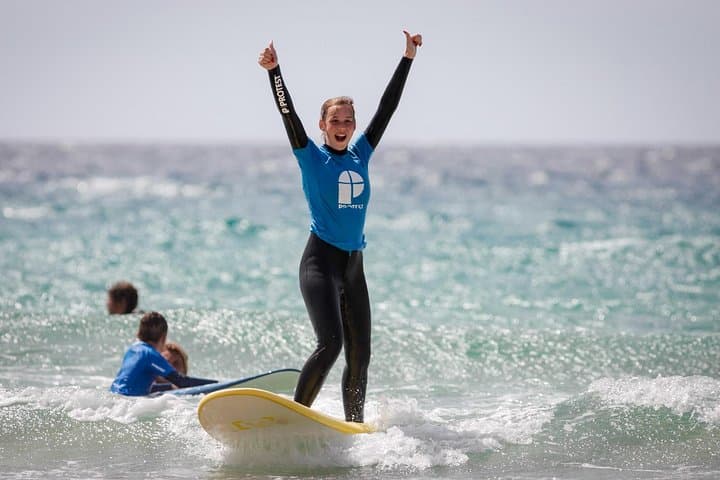
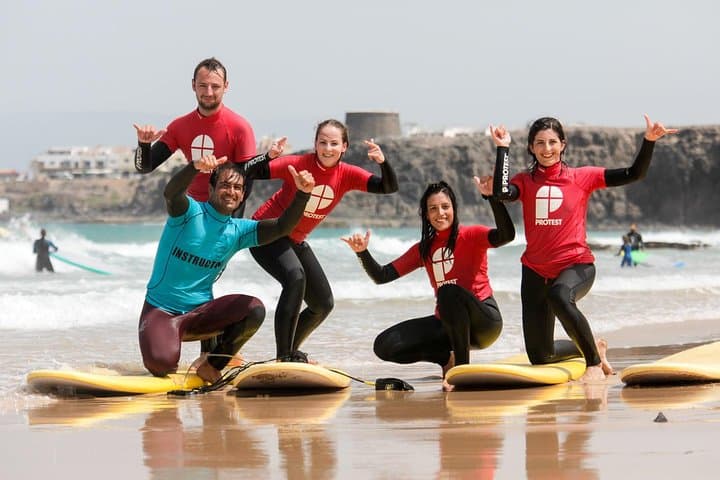
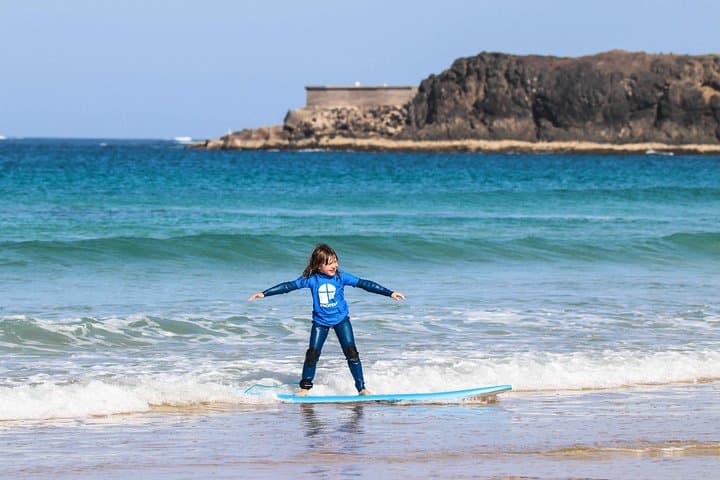
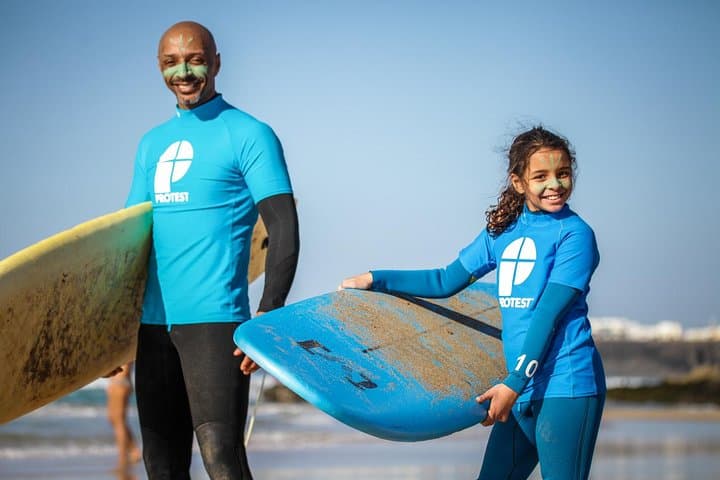
The Atlantic hits Corralejo with a steady rhythm; wind teases the dunes and the ocean pushes you toward the line where foam turns into a ride. On a typical morning the surf school vans load up at the Protest Surfcenter and head to whichever beach has the cleanest, most consistent waves for your level—El Cotillo’s lefts, the softer peaks near Playa Blanca, or the sheltered reef breaks to the east.
The Atlantic hits Corralejo with a steady rhythm; wind teases the dunes and the ocean pushes you toward the line where foam turns into a ride. On a typical morning the surf school vans load up at the Protest Surfcenter and head to whichever beach has the cleanest, most consistent waves for your level—El Cotillo’s lefts, the softer peaks near Playa Blanca, or the sheltered reef breaks to the east.
Fuerteventura is volcanic—black rock under pale sand—and Corralejo grew from a fishing settlement into the island’s surf capital. The dunes of the nearby Natural Park tell a recent geological story of wind-sculpted sand, while local surf culture blends Canarian hospitality with international stoke: instructors who grew up on these breaks and teach by reading swell, wind and tide.
Expect a tight, four-hour lesson: warm-up, technique drills on the sand, and roughly 2.5 hours in the water in groups capped at six students per instructor. Conditions vary from glassy mornings to wind-driven afternoons; instructors will pick spots to match ability and safety. Lessons suit true beginners through intermediate surfers seeking skill progression.
Practical notes: bring swimwear, sun protection and a small bottle for hydration; instructors provide boards, wetsuits and transfers. Wear sturdy sandals for rocky access and plan lessons early to avoid onshore wind. If you want video feedback or private coaching, ask ahead—small groups make targeted progression possible. With consistent swell year-round and warm water in summer, Corralejo offers dependable learning waves and a direct route from first pop-up to catching your own green wave.