THE ADVENTURE COLLECTIVE® · Independent discovery and booking for outdoor travel

Experience Corozalito after dark to watch sea turtles return to the exact beach where they were born. This guided night walk balances up-close wildlife observation with strict light and distance rules to protect nesting turtles.
Experience Corozalito after dark to watch sea turtles return to the exact beach where they were born. This guided night walk balances up-close wildlife observation with strict light and distance rules to protect nesting turtles.
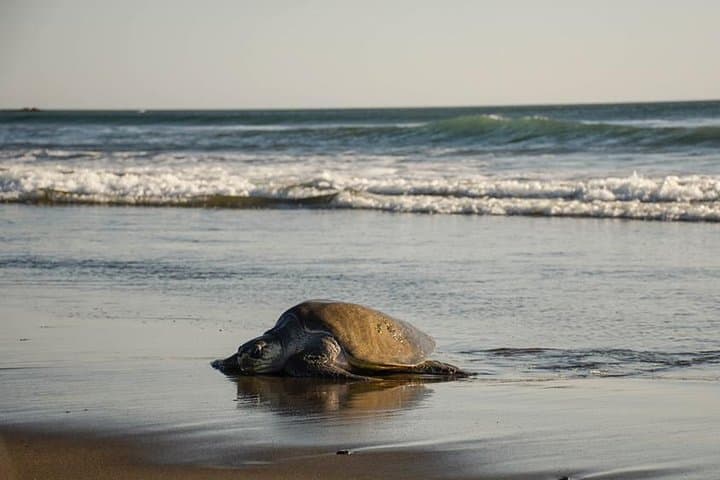
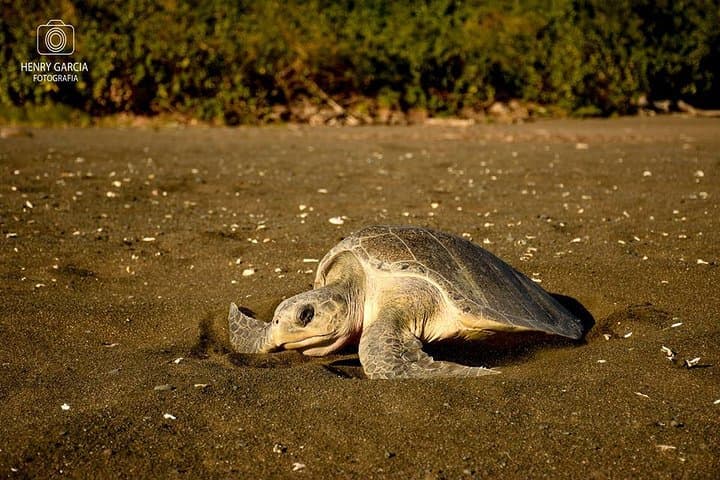
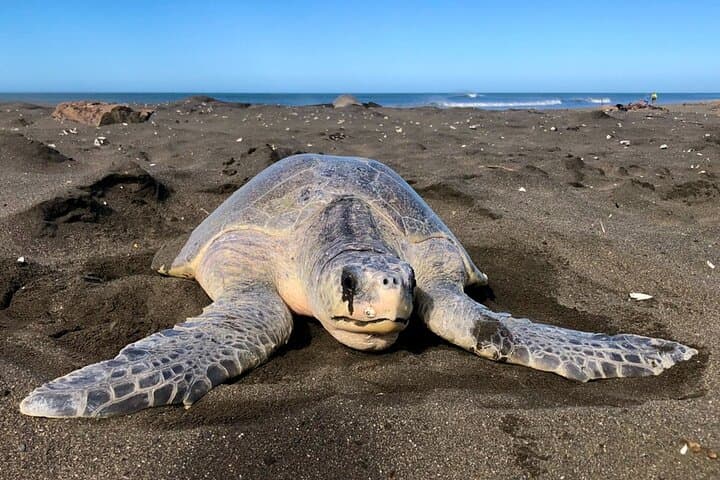
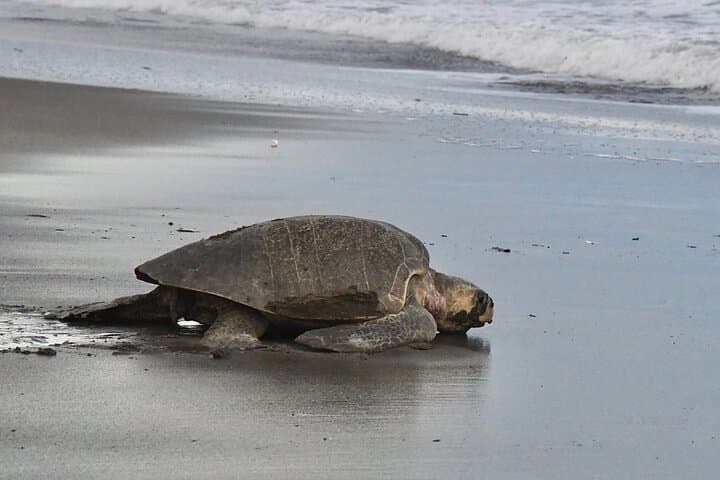
A warm Atlantic breeze is replaced by the brine of the Pacific as you step onto Corozalito’s dark sand. Night falls quickly here; the ocean’s voice swells and the beach narrows into a ribbon of wet sand where shapes move slowly against the surf. Guides use low red lights and soft voices to shepherd small groups toward the slow, deliberate silhouette of a nesting sea turtle—an animal returning to the exact shore of its birth.
Verified experiences and guided adventures in the surrounding area.
Operated by Book with María · Corozalito, Guanacaste
A warm Atlantic breeze is replaced by the brine of the Pacific as you step onto Corozalito’s dark sand. Night falls quickly here; the ocean’s voice swells and the beach narrows into a ribbon of wet sand where shapes move slowly against the surf. Guides use low red lights and soft voices to shepherd small groups toward the slow, deliberate silhouette of a nesting sea turtle—an animal returning to the exact shore of its birth.
Corozalito sits on Costa Rica’s Nicoya Peninsula, a region shaped by tectonic uplift and volcanic material that creates broad beaches and gentle offshore slopes favored by Olive Ridley and other sea turtles. Local fishing villages and conservation groups have worked for decades to protect nesting zones; community beach patrols and hatchling releases are now part of the coastal culture.
On tour you’ll learn to read flipper tracks, see females dig egg chambers, and possibly watch hatchlings orient toward the sea. Expect quiet observation, strict light rules, and the possibility that conditions won’t produce a visible nesting event—turtles are wild and timing matters.
Practical tips: dress for sand and humidity (closed-toe shoes or sandals you don’t mind getting wet), bring a red-filter headlamp or use the guide’s red torch, and avoid flash photography or bright screens. Travel from nearby Sámara is common; tours typically run 3–4 hours in the evening and include transport, bottled water, and light snacks. This is a low-impact wildlife encounter—follow your guide and leave the beach as you found it so turtles can keep coming home.
easy.
4 hours.
Suitable for all fitness levels; involves short, slow walks on sand at night
Nesting activity is most reliable during the mid-year to late-year months (roughly June–December), though exact timing varies by species and year.
No — touching can harm turtles and eggs; guides enforce strict no-contact rules to protect animals and volunteers’ conservation work.
Yes—children can join, but they must follow guides’ instructions and remain quiet and controlled; very young children may find night conditions challenging.
No — guides maximize chances but wildlife is unpredictable; sightings are common here, but not guaranteed on every trip.
Local communities on the Nicoya Peninsula have moved from subsistence fishing to organized turtle-protection programs over recent decades, blending livelihoods with conservation.
Tours operate under strict lighting and distance rules and often support community patrols; minimizing noise, light, and beach litter keeps nesting success high.
Book with María operates guided outdoor trips and adventures with an emphasis on safety, stewardship, and memorable experiences.
A warm Atlantic breeze is replaced by the brine of the Pacific as you step onto Corozalito’s dark sand. Night falls quickly here; the ocean’s voice swells and the beach narrows into a ribbon of wet sand where shapes move slowly against the surf. Guides use low red lights and soft voices to shepherd small groups toward the slow, deliberate silhouette of a nesting sea turtle—an animal returning to the exact shore of its birth.
A warm Atlantic breeze is replaced by the brine of the Pacific as you step onto Corozalito’s dark sand. Night falls quickly here; the ocean’s voice swells and the beach narrows into a ribbon of wet sand where shapes move slowly against the surf. Guides use low red lights and soft voices to shepherd small groups toward the slow, deliberate silhouette of a nesting sea turtle—an animal returning to the exact shore of its birth.
Corozalito sits on Costa Rica’s Nicoya Peninsula, a region shaped by tectonic uplift and volcanic material that creates broad beaches and gentle offshore slopes favored by Olive Ridley and other sea turtles. Local fishing villages and conservation groups have worked for decades to protect nesting zones; community beach patrols and hatchling releases are now part of the coastal culture.
On tour you’ll learn to read flipper tracks, see females dig egg chambers, and possibly watch hatchlings orient toward the sea. Expect quiet observation, strict light rules, and the possibility that conditions won’t produce a visible nesting event—turtles are wild and timing matters.
Practical tips: dress for sand and humidity (closed-toe shoes or sandals you don’t mind getting wet), bring a red-filter headlamp or use the guide’s red torch, and avoid flash photography or bright screens. Travel from nearby Sámara is common; tours typically run 3–4 hours in the evening and include transport, bottled water, and light snacks. This is a low-impact wildlife encounter—follow your guide and leave the beach as you found it so turtles can keep coming home.