THE ADVENTURE COLLECTIVE® · Independent discovery and booking for outdoor travel

Spend a day island-hopping from Coron Town to Kayangan Lake, Barracuda Lake, Twin Lagoon and a WWII wreck—snorkel crystalline waters, climb limestone viewpoints and learn local conservation practices from Tagbanua stewards. This full-day shared tour covers the highlights efficiently while offering practical tips for planning.
Spend a day island-hopping from Coron Town to Kayangan Lake, Barracuda Lake, Twin Lagoon and a WWII wreck—snorkel crystalline waters, climb limestone viewpoints and learn local conservation practices from Tagbanua stewards. This full-day shared tour covers the highlights efficiently while offering practical tips for planning.
The morning opens like a blank page: the pump of the outboard, the town’s low roofs shrinking as you pull away, and a horizon that feels purpose-built for exploration. On the Coron Super Ultimate Tour, small banca boats slice through water the color of crushed glass, visiting Kayangan Lake, Barracuda Lake, Twin Lagoon, a WWII skeleton wreck and several reef gardens in a single full day. It’s a compact crash course in Palawan’s limestone islands—craggy cliffs that rise from the sea and lagoons that hold their own strange, layered worlds.
Verified experiences and guided adventures in the surrounding area.
Operated by CTPH TOUR · Coron, Palawan
The morning opens like a blank page: the pump of the outboard, the town’s low roofs shrinking as you pull away, and a horizon that feels purpose-built for exploration. On the Coron Super Ultimate Tour, small banca boats slice through water the color of crushed glass, visiting Kayangan Lake, Barracuda Lake, Twin Lagoon, a WWII skeleton wreck and several reef gardens in a single full day. It’s a compact crash course in Palawan’s limestone islands—craggy cliffs that rise from the sea and lagoons that hold their own strange, layered worlds.
Kayangan Lake sits in a collapsed karst basin and the climb to its viewpoint precedes a swim in famously clear water; locals from the Tagbanua community steward the site and collect entrance fees that support ongoing conservation. Barracuda Lake is a diver’s curiosity—sharp thermoclines and a freshwater lens over saltwater make the surface feel like a layer cake of temperature and light. Twin Lagoon offers a theatrical entrance: at low tide you can squeeze through an undercut crevice, at high tide a ladder takes you over the rock into a sheltered pool ringed by vertical stone.
Geology here is readable: uplifted coral and tufa forms the jagged cliff faces, and the reefs around Coron show both healthy coral garden patches and the legacy of WWII shipwrecks—skeletons of hulls that now draw colorful fish and beginner divers. Cultural context is present but understated; Coron Town is small and service-oriented, its Tagbanua heritage visible through community-run access points and the local guides who know currents, tides and the best lunch spot.
Practical guidance: the tour runs roughly eight hours with hotel pickups limited to Coron Town proper. Expect multiple water entries—snorkeling and floating in life jackets are the primary activities—so wear quick-dry clothing, reef-safe sunscreen and water shoes. Bring cash for small fees and souvenirs; phone service is patchy offshore so keep a paper backup of your meeting point and pickup info.
Safety and pacing: boat-to-beach transfers can be wet and steady; if you have back issues or cardiovascular concerns this itinerary is not recommended. The operator provides life vests and a lunch; snorkeling gear is often available but many travelers prefer their own mask for fit. Aim for early dry-season days (November–April) when visibility and sea conditions are most dependable.
For photographers, morning light on Kayangan’s viewpoint and the late afternoon around Sunset Beach offer the strongest contrasts. Above all, this is a day for moving—between lakes, lagoons, wrecks and reefs—so plan your energy, protect the reefs, and let the islands set the rhythm.
moderate.
6–8 hours.
Moderate fitness recommended—comfortable swimming ability and stamina for multiple short swims and climbs.
The tour is approximately eight hours, typically including pickup, boat transfers, multiple stops and lunch on one of the islands.
Most park permits and entrance fees are included in the tour, but bring cash for any additional local charges or donations to community stewards.
Operators commonly provide basic snorkeling gear but many travelers bring a personal mask and snorkel for better fit and comfort.
Yes—life vests are provided and guides can support shallow swimming and floating, but comfort in the water is recommended.
The dry season (November–April) offers calmer seas and better visibility; avoid monsoon months (June–October) when tours may be canceled.
Boat landings and ladders can be steep—this tour is not well-suited for travelers with limited mobility or significant physical restrictions.
Coron’s bays are marked by WWII shipwrecks—Japanese supply vessels sunk in 1944—that now form artificial reefs and attract divers.
Local Tagbanua stewards and permit systems regulate visitor numbers at sensitive sites; use reef-safe products and avoid touching coral to reduce impact.
CTPH TOUR operates guided outdoor trips and adventures with an emphasis on safety, stewardship, and memorable experiences.
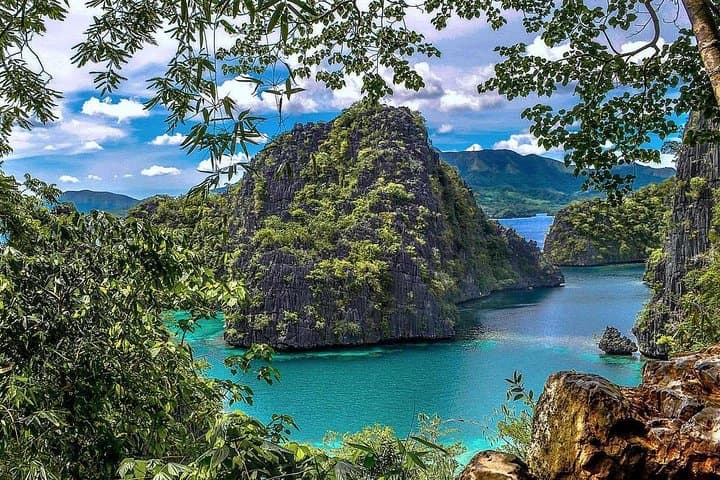
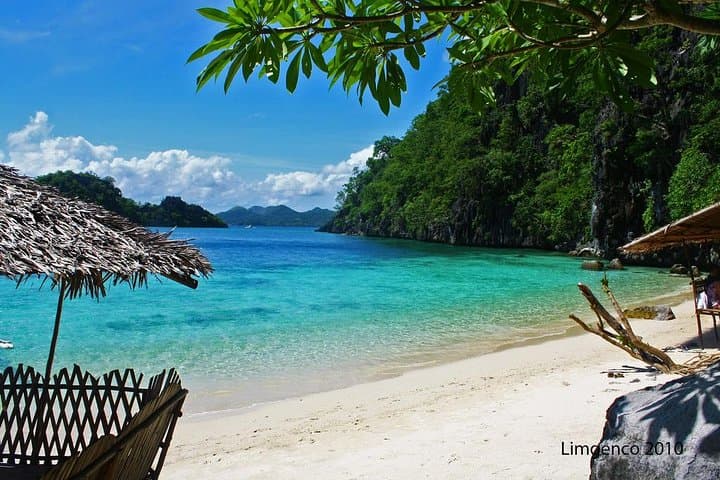
The morning opens like a blank page: the pump of the outboard, the town’s low roofs shrinking as you pull away, and a horizon that feels purpose-built for exploration. On the Coron Super Ultimate Tour, small banca boats slice through water the color of crushed glass, visiting Kayangan Lake, Barracuda Lake, Twin Lagoon, a WWII skeleton wreck and several reef gardens in a single full day. It’s a compact crash course in Palawan’s limestone islands—craggy cliffs that rise from the sea and lagoons that hold their own strange, layered worlds.
The morning opens like a blank page: the pump of the outboard, the town’s low roofs shrinking as you pull away, and a horizon that feels purpose-built for exploration. On the Coron Super Ultimate Tour, small banca boats slice through water the color of crushed glass, visiting Kayangan Lake, Barracuda Lake, Twin Lagoon, a WWII skeleton wreck and several reef gardens in a single full day. It’s a compact crash course in Palawan’s limestone islands—craggy cliffs that rise from the sea and lagoons that hold their own strange, layered worlds.
Kayangan Lake sits in a collapsed karst basin and the climb to its viewpoint precedes a swim in famously clear water; locals from the Tagbanua community steward the site and collect entrance fees that support ongoing conservation. Barracuda Lake is a diver’s curiosity—sharp thermoclines and a freshwater lens over saltwater make the surface feel like a layer cake of temperature and light. Twin Lagoon offers a theatrical entrance: at low tide you can squeeze through an undercut crevice, at high tide a ladder takes you over the rock into a sheltered pool ringed by vertical stone.
Geology here is readable: uplifted coral and tufa forms the jagged cliff faces, and the reefs around Coron show both healthy coral garden patches and the legacy of WWII shipwrecks—skeletons of hulls that now draw colorful fish and beginner divers. Cultural context is present but understated; Coron Town is small and service-oriented, its Tagbanua heritage visible through community-run access points and the local guides who know currents, tides and the best lunch spot.
Practical guidance: the tour runs roughly eight hours with hotel pickups limited to Coron Town proper. Expect multiple water entries—snorkeling and floating in life jackets are the primary activities—so wear quick-dry clothing, reef-safe sunscreen and water shoes. Bring cash for small fees and souvenirs; phone service is patchy offshore so keep a paper backup of your meeting point and pickup info.
Safety and pacing: boat-to-beach transfers can be wet and steady; if you have back issues or cardiovascular concerns this itinerary is not recommended. The operator provides life vests and a lunch; snorkeling gear is often available but many travelers prefer their own mask for fit. Aim for early dry-season days (November–April) when visibility and sea conditions are most dependable.
For photographers, morning light on Kayangan’s viewpoint and the late afternoon around Sunset Beach offer the strongest contrasts. Above all, this is a day for moving—between lakes, lagoons, wrecks and reefs—so plan your energy, protect the reefs, and let the islands set the rhythm.