THE ADVENTURE COLLECTIVE® · Independent discovery and booking for outdoor travel

Spend a private day exploring Coron’s shallow WWII wrecks and vibrant coral gardens. This guided snorkeling tour combines sandbar time at Pass Island with close-up swims over Lusong and East Tangat wrecks.
Spend a private day exploring Coron’s shallow WWII wrecks and vibrant coral gardens. This guided snorkeling tour combines sandbar time at Pass Island with close-up swims over Lusong and East Tangat wrecks.
The morning light breaks over limestone karsts as a small tourist banca slips from Coron’s harbor, engines low, water pulling at the hull like a curious hand. Guests step onto warm sand at Calumbuyan (Pass) Island, where a shifting sandbar invites languid strolls before the boat sets course toward rusting relics and coral gardens.
Verified experiences and guided adventures in the surrounding area.
Operated by CTPH TOUR · Coron, Palawan
The morning light breaks over limestone karsts as a small tourist banca slips from Coron’s harbor, engines low, water pulling at the hull like a curious hand. Guests step onto warm sand at Calumbuyan (Pass) Island, where a shifting sandbar invites languid strolls before the boat sets course toward rusting relics and coral gardens.
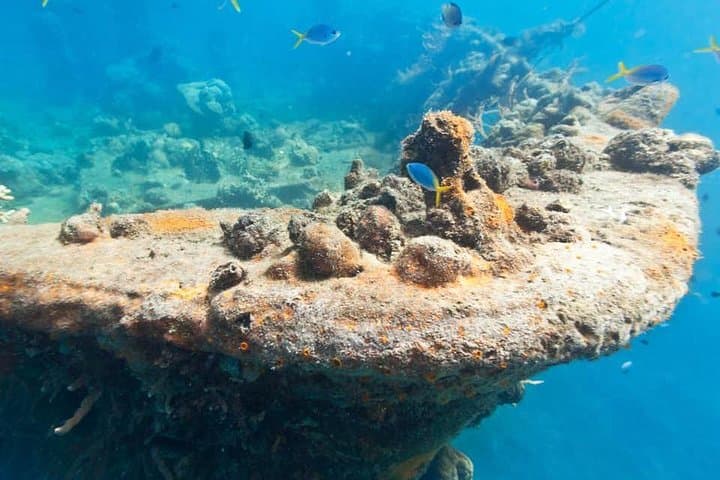
These wreck sites—Lusong and East Tangat among them—are physical echoes of the Second World War, now colonized by hard corals, sea fans and shoals of damselfish. The geology here is dramatic: weathered karst rising from deep blue, with shallow reefs sculpted by currents that push nutrient-rich water across coral faces. Local culture in Coron town mixes Tagbanua heritage and boatbuilding craft; many guides are descendants of families who have worked these waters for generations.
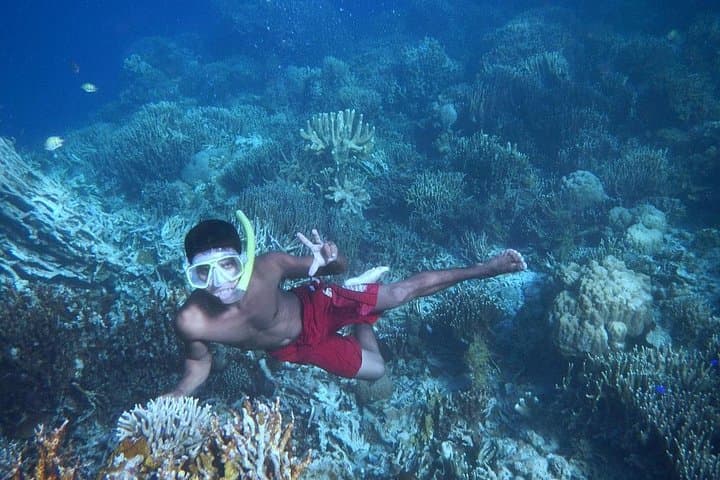
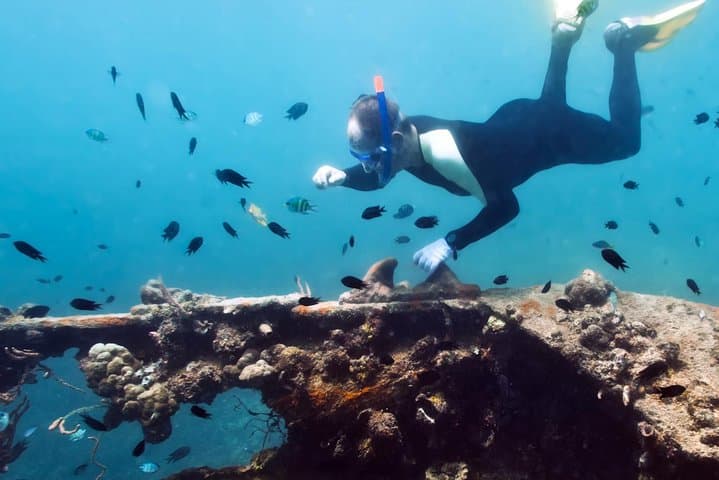
Practically, the tour is a full day (about 7–8 hours) of easy snorkeling and short beach stops. Expect guided surface swims above the Lusong shipwreck in waist-to-chest-deep water, along with reef swims at Lusong Coral Garden. Visibility ranges with season; morning trips usually offer calmer seas and cleaner water. Guides provide life vests, basic snorkel instruction and a route that balances shallow wreck viewing with protected coral patches.
Bring reef-safe sunscreen, a well-fitting mask and water shoes; use a dry bag for cameras. Hydrate before boarding and listen to your guide about currents and entry points—those channels can suddenly assert themselves. For travelers seeking a private, low-effort introduction to Coron’s underwater history, this tour pairs accessible snorkeling with striking wartime archaeology.
easy.
7–8 hours.
Suitable for most fitness levels; requires comfortable swimming or treading water for short snorkel sessions
Most wrecks visited on this tour sit in shallow water—often waist to chest deep—making them suitable for surface snorkeling rather than scuba.
Yes; it’s a private, guided tour with life vests provided, but non-swimmers should stay close to guides and use flotation.
Bring reef‑safe sunscreen, a hat, swimwear, a towel, water, and a small dry bag for valuables; masks and snorkels are often available but bringing your own is best.
Yes; operators will cancel in poor weather or unsafe sea conditions—check your confirmation and local forecasts on the day of departure.
Several sunken Japanese and American vessels from WWII now form artificial reefs; local dive culture has adapted these sites for snorkeling and education.
Operators commonly request use of reef‑safe sunscreen and discourage touching corals; stick to designated mooring spots to minimize anchor damage.
CTPH TOUR operates guided outdoor trips and adventures with an emphasis on safety, stewardship, and memorable experiences.
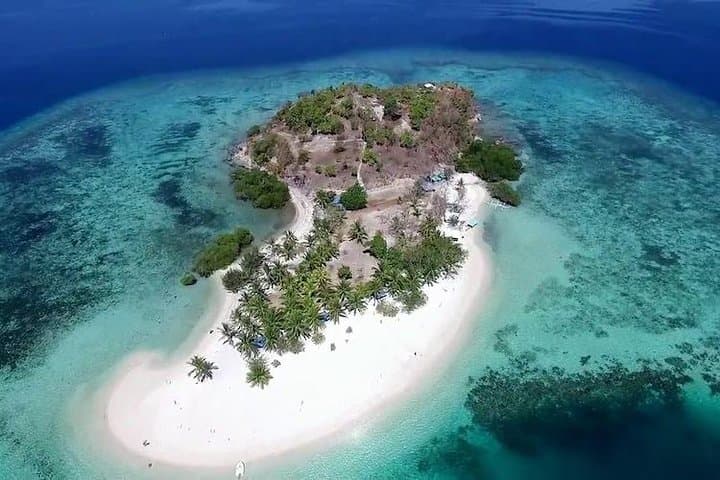
The morning light breaks over limestone karsts as a small tourist banca slips from Coron’s harbor, engines low, water pulling at the hull like a curious hand. Guests step onto warm sand at Calumbuyan (Pass) Island, where a shifting sandbar invites languid strolls before the boat sets course toward rusting relics and coral gardens.
The morning light breaks over limestone karsts as a small tourist banca slips from Coron’s harbor, engines low, water pulling at the hull like a curious hand. Guests step onto warm sand at Calumbuyan (Pass) Island, where a shifting sandbar invites languid strolls before the boat sets course toward rusting relics and coral gardens.
These wreck sites—Lusong and East Tangat among them—are physical echoes of the Second World War, now colonized by hard corals, sea fans and shoals of damselfish. The geology here is dramatic: weathered karst rising from deep blue, with shallow reefs sculpted by currents that push nutrient-rich water across coral faces. Local culture in Coron town mixes Tagbanua heritage and boatbuilding craft; many guides are descendants of families who have worked these waters for generations.
Practically, the tour is a full day (about 7–8 hours) of easy snorkeling and short beach stops. Expect guided surface swims above the Lusong shipwreck in waist-to-chest-deep water, along with reef swims at Lusong Coral Garden. Visibility ranges with season; morning trips usually offer calmer seas and cleaner water. Guides provide life vests, basic snorkel instruction and a route that balances shallow wreck viewing with protected coral patches.
Bring reef-safe sunscreen, a well-fitting mask and water shoes; use a dry bag for cameras. Hydrate before boarding and listen to your guide about currents and entry points—those channels can suddenly assert themselves. For travelers seeking a private, low-effort introduction to Coron’s underwater history, this tour pairs accessible snorkeling with striking wartime archaeology.