THE ADVENTURE COLLECTIVE® · Independent discovery and booking for outdoor travel

Spend a day island-hopping between sandbars, coral gardens and accessible WWII shipwrecks around Coron. This shared boat tour offers guided snorkeling, beach stops, lunch and permits—ideal for travelers who want history and reef snorkeling in one outing.
Spend a day island-hopping between sandbars, coral gardens and accessible WWII shipwrecks around Coron. This shared boat tour offers guided snorkeling, beach stops, lunch and permits—ideal for travelers who want history and reef snorkeling in one outing.
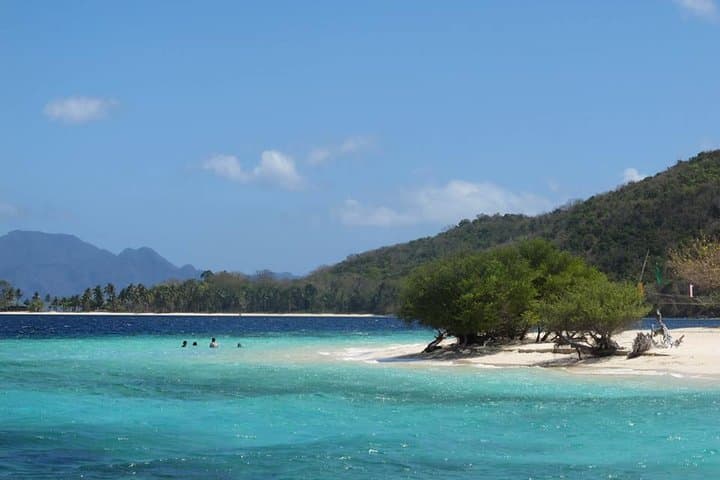
You step off the wharf as sunlight chisels the limestone karst rising from turquoise water; a small tourist boat hums away toward sandbars and steel skeletons under the surface. In a single day this shared tour threads together Calumbuyan’s shallow sandbar, Pass Island’s palm fringe, and several accessible WWII wrecks and coral gardens around Lusong and East Tangat.
Verified experiences and guided adventures in the surrounding area.
Operated by CTPH TOUR · Coron, Palawan
You step off the wharf as sunlight chisels the limestone karst rising from turquoise water; a small tourist boat hums away toward sandbars and steel skeletons under the surface. In a single day this shared tour threads together Calumbuyan’s shallow sandbar, Pass Island’s palm fringe, and several accessible WWII wrecks and coral gardens around Lusong and East Tangat.
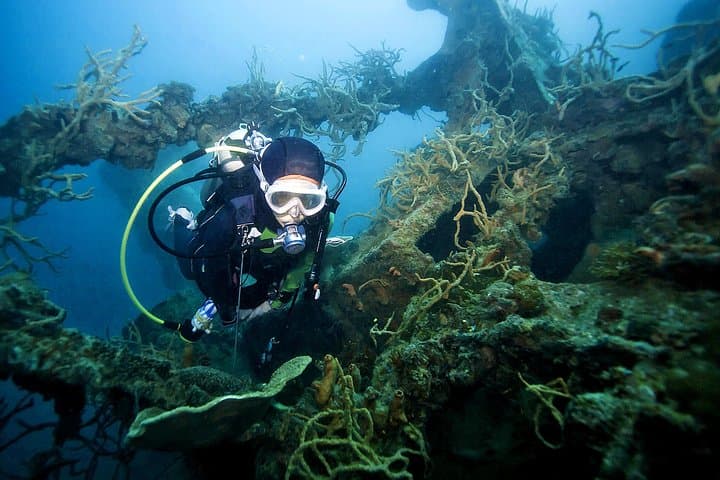
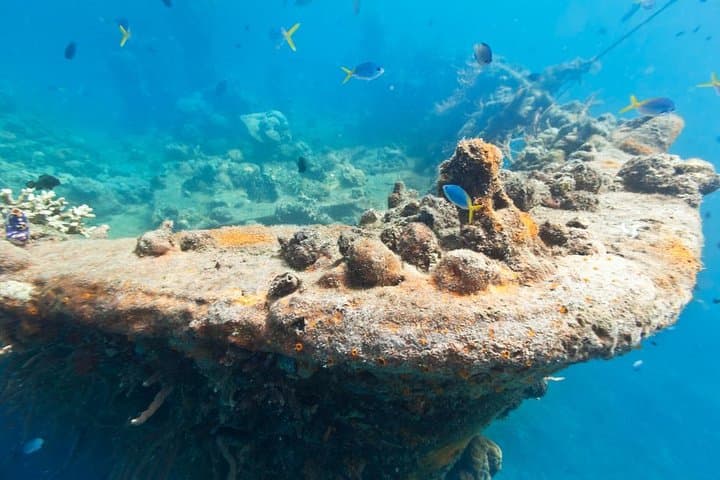
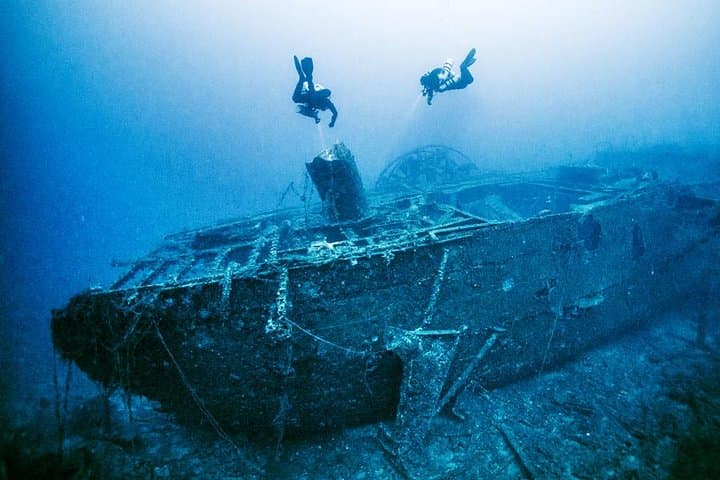
The Coron area is famous for Japanese ships sunk in 1944 after aerial attacks—today those wrecks are muted monuments, encrusted in coral and frequented by reef fish. Geologically the archipelago is defined by Jurassic-limestone cliffs and narrow channels that produce steep drop-offs; visibility and currents can vary with tides. Locally, communities on Busuanga and Coron Town rely on small-boat tourism, and guides carry permits and life vests required for protected sites.
Practical expectations: this is an eight-hour shared boat tour with lunch, life jackets, basic snorkeling stops and short beach walks. Swims range from shallow sandbar paddling to snorkeling over wreck roofs and coral bommies; snorkeling experience helpful but not mandatory. Bring reef-safe sunscreen, a fitted mask or rent one, and a waterproof bag for phone and snacks. Seas can be calm or choppy—check morning weather and take motion-sickness prevention if you’re sensitive.
Keep to marked moorings, avoid touching corals or entering wrecks beyond guided access, and time visits for mid-morning light when underwater visibility peaks. The day balances easy island time with striking underwater history—accessible, instructive, and best taken with a guide who knows where the quiet coral gardens hide.
easy.
8 hours.
Suitable for most fitness levels; basic swimming ability recommended for snorkeling and short swims
No—this shared tour focuses on snorkeling and surface visits; certified divers typically join separate dive trips to penetrate wreck interiors.
Yes—hotel pickup to the wharf, entrance permits and lunch are listed as included in the tour price.
Mid‑morning after the first crossing usually offers the clearest visibility as light deepens and currents are often gentler.
Yes—tour operators note it’s suitable for all physical levels, but children should be supervised and wear properly sized life vests.
Several Japanese supply ships were sunk in Coron Bay during US attacks in 1944; those wrecks now form shallow, photogenic dive and snorkel sites.
Operators work under local permit systems—avoid touching coral, use reef‑safe products, and follow guide instructions to reduce reef damage.
CTPH TOUR operates guided outdoor trips and adventures with an emphasis on safety, stewardship, and memorable experiences.
You step off the wharf as sunlight chisels the limestone karst rising from turquoise water; a small tourist boat hums away toward sandbars and steel skeletons under the surface. In a single day this shared tour threads together Calumbuyan’s shallow sandbar, Pass Island’s palm fringe, and several accessible WWII wrecks and coral gardens around Lusong and East Tangat.
You step off the wharf as sunlight chisels the limestone karst rising from turquoise water; a small tourist boat hums away toward sandbars and steel skeletons under the surface. In a single day this shared tour threads together Calumbuyan’s shallow sandbar, Pass Island’s palm fringe, and several accessible WWII wrecks and coral gardens around Lusong and East Tangat.
The Coron area is famous for Japanese ships sunk in 1944 after aerial attacks—today those wrecks are muted monuments, encrusted in coral and frequented by reef fish. Geologically the archipelago is defined by Jurassic-limestone cliffs and narrow channels that produce steep drop-offs; visibility and currents can vary with tides. Locally, communities on Busuanga and Coron Town rely on small-boat tourism, and guides carry permits and life vests required for protected sites.
Practical expectations: this is an eight-hour shared boat tour with lunch, life jackets, basic snorkeling stops and short beach walks. Swims range from shallow sandbar paddling to snorkeling over wreck roofs and coral bommies; snorkeling experience helpful but not mandatory. Bring reef-safe sunscreen, a fitted mask or rent one, and a waterproof bag for phone and snacks. Seas can be calm or choppy—check morning weather and take motion-sickness prevention if you’re sensitive.
Keep to marked moorings, avoid touching corals or entering wrecks beyond guided access, and time visits for mid-morning light when underwater visibility peaks. The day balances easy island time with striking underwater history—accessible, instructive, and best taken with a guide who knows where the quiet coral gardens hide.