THE ADVENTURE COLLECTIVE® · Independent discovery and booking for outdoor travel

Walk or pedal through Alentejo hills on a private 90-minute tour that reveals cork oak groves, prickly pear orchards, and seasonal fig tasting. Learn traditional cork-harvesting methods and taste local fruit straight from the farm.
Walk or pedal through Alentejo hills on a private 90-minute tour that reveals cork oak groves, prickly pear orchards, and seasonal fig tasting. Learn traditional cork-harvesting methods and taste local fruit straight from the farm.
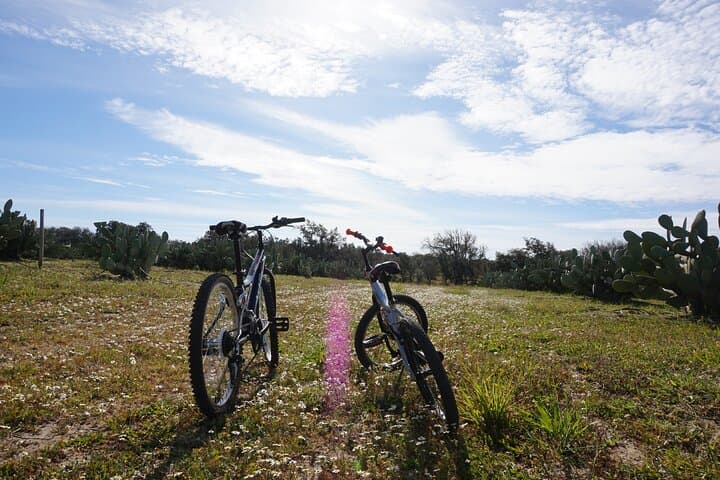
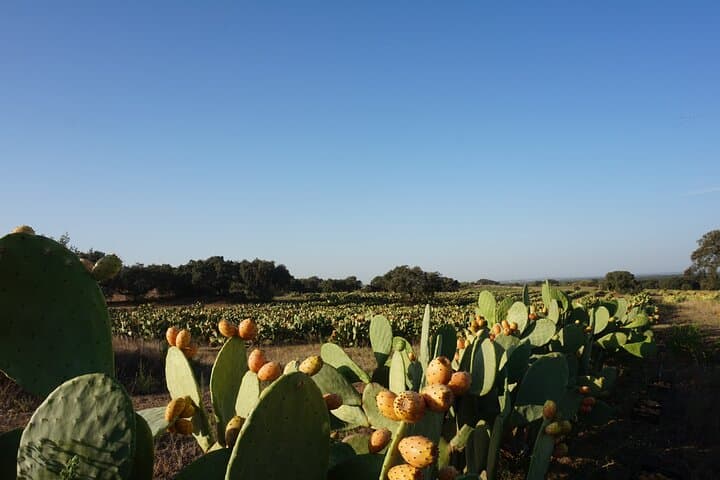
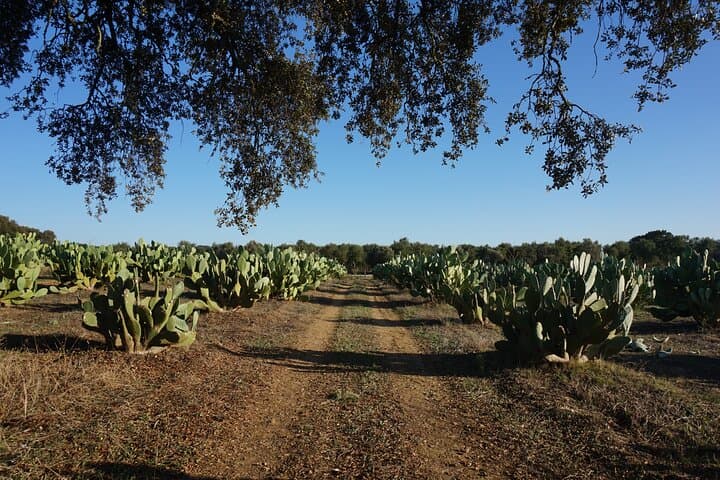
You roll through low, sun-baked hills where cork oaks throw irregular shade and prickly pear pads gleam like green coins. The path alternates between gravel farm tracks and compacted dirt, and the guide points out a fig tree heavy with fruit as the wind pushes its leaves against your face.
Verified experiences and guided adventures in the surrounding area.
Operated by Pepe Aromas · Évora, Alentejo
You roll through low, sun-baked hills where cork oaks throw irregular shade and prickly pear pads gleam like green coins. The path alternates between gravel farm tracks and compacted dirt, and the guide points out a fig tree heavy with fruit as the wind pushes its leaves against your face.
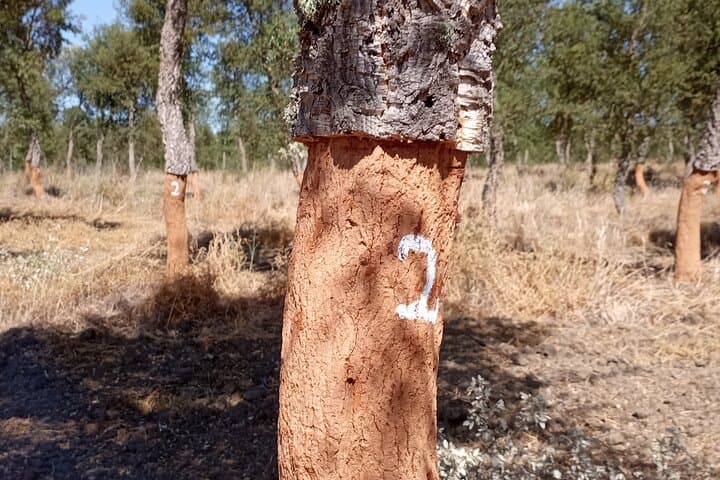
This short private tour traces the agricultural history of Alentejo: the cork oak economy that shaped local villages, and the Opuntia prickly pear introduced from the Americas and now woven into rural diets and crafts. Geologically the region sits on ancient schist and marble outcrops; soils are thin and store summer heat, which favors cork oak savannahs and drought-tolerant orchards. Cultural notes surface as you learn about traditional cork harvesting, seasonal fig foraging, and how local producers bottle prickly pear syrup and preserves.
Expect close-up encounters with cork bark, fields of figs, and small-scale sustainable farming practices. Guides explain how cork is stripped without harming trees and invite you to taste seasonal fruits like the India fig during harvest.
Practical guidance: the itinerary is 90 minutes and suitable on foot or by bicycle; terrain is uneven but not technical. Wear grippy shoes, bring sun protection and water — bottled water is provided — and prepare for low shade during summer. Photography opportunities are abundant in golden light; slow your pace to listen to bird calls and notice the tactile contrast between cork bark and prickly pear pads. This is a compact, sensory introduction to Alentejo rural heritage with actionable tips for a safe, respectful visit.
moderate.
1–1.5 hours.
Moderate—comfortable walking or casual cycling on uneven ground for up to 90 minutes
Yes; children who can walk or cycle for about an hour and a half can join, but supervision is recommended near prickly pear plants.
Yes; the operator allows walking or biking along mostly easy farm tracks—request a bike when booking.
Seasonal fruit tastings such as India figs are included when in season; bottled water is provided year-round.
The tour requires a moderate fitness level due to uneven terrain and some short inclines, but it is not technical.
Cork harvesting has been a rural cornerstone in Alentejo for centuries; prickly pear was introduced from the Americas and became integrated into local agriculture and cuisine.
Supporting small producers on the tour helps sustain traditional cork management, which preserves biodiversity; stay on paths and avoid disturbing regenerating cork oaks.
Pepe Aromas operates guided outdoor trips and adventures with an emphasis on safety, stewardship, and memorable experiences.
You roll through low, sun-baked hills where cork oaks throw irregular shade and prickly pear pads gleam like green coins. The path alternates between gravel farm tracks and compacted dirt, and the guide points out a fig tree heavy with fruit as the wind pushes its leaves against your face.
You roll through low, sun-baked hills where cork oaks throw irregular shade and prickly pear pads gleam like green coins. The path alternates between gravel farm tracks and compacted dirt, and the guide points out a fig tree heavy with fruit as the wind pushes its leaves against your face.
This short private tour traces the agricultural history of Alentejo: the cork oak economy that shaped local villages, and the Opuntia prickly pear introduced from the Americas and now woven into rural diets and crafts. Geologically the region sits on ancient schist and marble outcrops; soils are thin and store summer heat, which favors cork oak savannahs and drought-tolerant orchards. Cultural notes surface as you learn about traditional cork harvesting, seasonal fig foraging, and how local producers bottle prickly pear syrup and preserves.
Expect close-up encounters with cork bark, fields of figs, and small-scale sustainable farming practices. Guides explain how cork is stripped without harming trees and invite you to taste seasonal fruits like the India fig during harvest.
Practical guidance: the itinerary is 90 minutes and suitable on foot or by bicycle; terrain is uneven but not technical. Wear grippy shoes, bring sun protection and water — bottled water is provided — and prepare for low shade during summer. Photography opportunities are abundant in golden light; slow your pace to listen to bird calls and notice the tactile contrast between cork bark and prickly pear pads. This is a compact, sensory introduction to Alentejo rural heritage with actionable tips for a safe, respectful visit.