THE ADVENTURE COLLECTIVE® · Independent discovery and booking for outdoor travel

See Corfu’s historic coast, cliffside monasteries and olive-grove vistas in a compact, small‑group minivan tour. This 4–5 hour outing mixes city drives with short walks to panoramic viewpoints and an authentic olive oil tasting.
See Corfu’s historic coast, cliffside monasteries and olive-grove vistas in a compact, small‑group minivan tour. This 4–5 hour outing mixes city drives with short walks to panoramic viewpoints and an authentic olive oil tasting.
Morning light splits over the Ionian as a minivan slips out of Corfu Town, the sea pressing close and the road climbing through centuries of olive trees.
Verified experiences and guided adventures in the surrounding area.
Operated by PACHIS TRAVEL · Corfu (Kerkyra), Ionian Islands
Morning light splits over the Ionian as a minivan slips out of Corfu Town, the sea pressing close and the road climbing through centuries of olive trees.
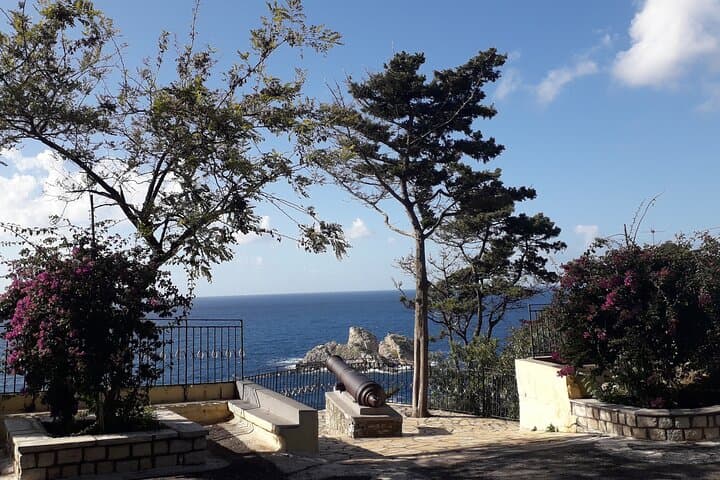
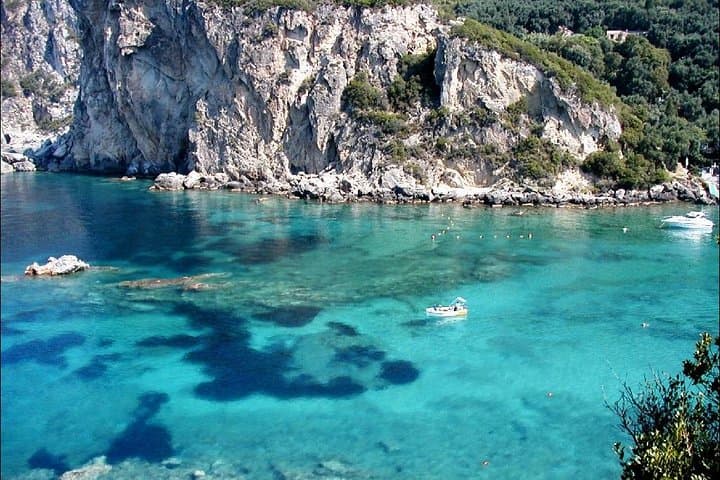
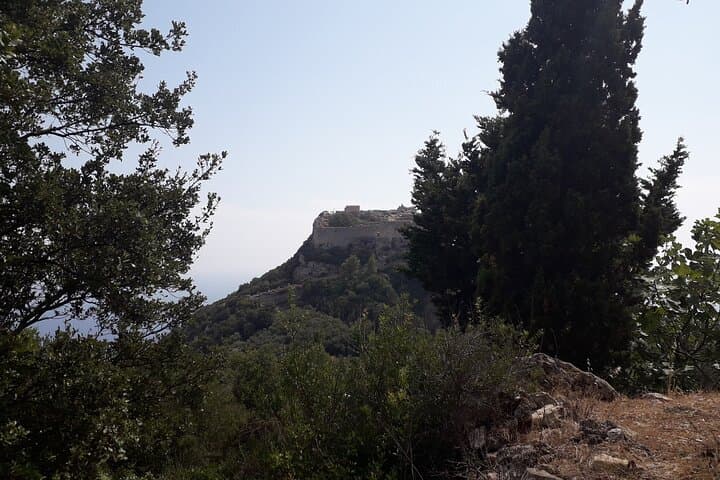
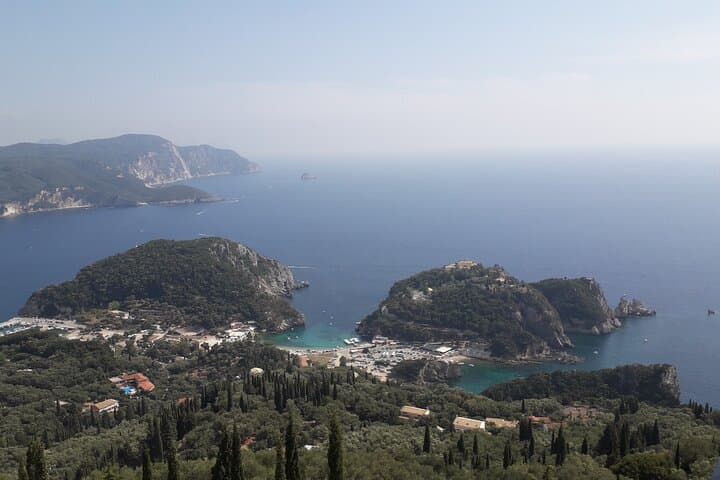
The tour threads through the city’s layered past—British-era mansions, Venetian fortifications and the Old Town’s stone streets—before pausing at Kanoni for the canonical view of Mouse Island and the Vlacherena convent. From there the route leans west toward Paleokastritsa: rocky coves, crystalline bays and a 13th-century monastery that watches the coastline like an old guardian. The road continues up through terraced groves to Lakones, where Lawrence Durrell’s “most spectacular view” opens westward; Angelokastro, the Byzantine hill castle, sits high on a crag and reads the sea’s approach for miles.
The geology here is limestone and schist, scoured by coastal weather and carved into the headlands that shelter quiet coves. Culturally, Corfu blends Venetian walls, Ottoman-era trade routes and British colonial remnants—visible in architecture and the island’s olive-led agricultural traditions. Local life still orbits olive oil, and a tasting in Vistonas closes the loop on centuries of production.
Practically: the tour lasts about 4–5 hours, runs in an air-conditioned minivan, and involves short walks and viewpoints rather than long hikes. Bring sun protection, a refillable water bottle and comfortable shoes for monastery steps and rocky viewpoints. If you want photos without crowds, ask the guide for earlier Kanoni or late-afternoon Paleokastritsa stops. Expect light walking, clear coastal vistas, and a concise primer on what makes Corfu distinct.
easy.
4–5 hours.
Suitable for most fitness levels; involves short, easy walks and steps at viewpoints and the monastery.
No—admission is typically not included; visitors pay entrance locally when they visit the monastery.
Yes; the itinerary includes short stops at viewpoints and villages where restroom facilities are available.
Yes; infant seats are available and infants must sit on an adult’s lap—note this when booking.
The minivan is accessible for short drives, but many viewpoints and the monastery have steps and uneven terrain that limit full wheelchair access.
Corfu’s identity was shaped by Venetian rule and later British administration; Angelokastro and the Old Town reflect Byzantine and Venetian defensive needs across centuries.
Respect olive groves and coastal habitats—stay on paths, avoid littering beaches, and follow monastery guidance to protect cultural and natural sites.
PACHIS TRAVEL operates guided outdoor trips and adventures with an emphasis on safety, stewardship, and memorable experiences.
Morning light splits over the Ionian as a minivan slips out of Corfu Town, the sea pressing close and the road climbing through centuries of olive trees.
Morning light splits over the Ionian as a minivan slips out of Corfu Town, the sea pressing close and the road climbing through centuries of olive trees.
The tour threads through the city’s layered past—British-era mansions, Venetian fortifications and the Old Town’s stone streets—before pausing at Kanoni for the canonical view of Mouse Island and the Vlacherena convent. From there the route leans west toward Paleokastritsa: rocky coves, crystalline bays and a 13th-century monastery that watches the coastline like an old guardian. The road continues up through terraced groves to Lakones, where Lawrence Durrell’s “most spectacular view” opens westward; Angelokastro, the Byzantine hill castle, sits high on a crag and reads the sea’s approach for miles.
The geology here is limestone and schist, scoured by coastal weather and carved into the headlands that shelter quiet coves. Culturally, Corfu blends Venetian walls, Ottoman-era trade routes and British colonial remnants—visible in architecture and the island’s olive-led agricultural traditions. Local life still orbits olive oil, and a tasting in Vistonas closes the loop on centuries of production.
Practically: the tour lasts about 4–5 hours, runs in an air-conditioned minivan, and involves short walks and viewpoints rather than long hikes. Bring sun protection, a refillable water bottle and comfortable shoes for monastery steps and rocky viewpoints. If you want photos without crowds, ask the guide for earlier Kanoni or late-afternoon Paleokastritsa stops. Expect light walking, clear coastal vistas, and a concise primer on what makes Corfu distinct.