THE ADVENTURE COLLECTIVE® · Independent discovery and booking for outdoor travel

Spend half a day on Corfu’s two most celebrated beaches: the cliff‑lined coves of Paleokastritsa and the pine‑backed sands of Glyfada. This private shore excursion combines swims, a monastery visit and optional cave boat trips with door‑to‑door pickup.
Spend half a day on Corfu’s two most celebrated beaches: the cliff‑lined coves of Paleokastritsa and the pine‑backed sands of Glyfada. This private shore excursion combines swims, a monastery visit and optional cave boat trips with door‑to‑door pickup.
You step off the tender into warm air and the smell of salt and pine — the driver greets you and the island opens up as the road unwinds toward the west coast. In an afternoon you’ll trade port noise for thin golden sand, turquoise shallows and the green, rocky ridges that give Paleokastritsa its sharp contrast.
Verified experiences and guided adventures in the surrounding area.
Operated by Corfu Traveller - Private Transfers &Tours · Corfu Town, Ionian Islands
You step off the tender into warm air and the smell of salt and pine — the driver greets you and the island opens up as the road unwinds toward the west coast. In an afternoon you’ll trade port noise for thin golden sand, turquoise shallows and the green, rocky ridges that give Paleokastritsa its sharp contrast.
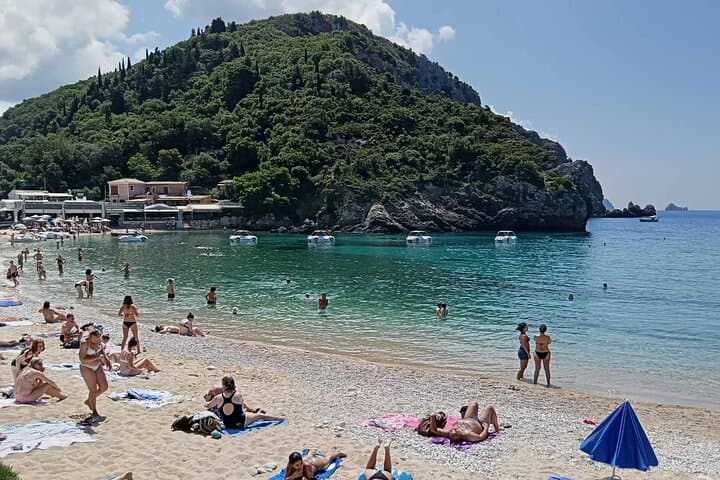
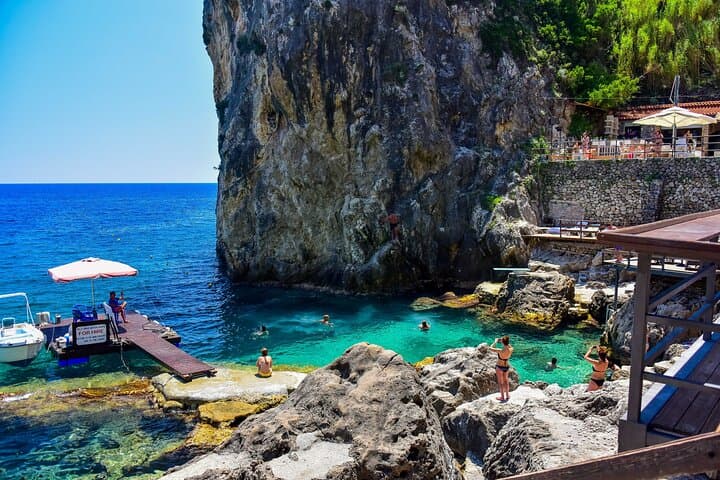
Paleokastritsa has been a waypoint since Byzantine times; the 13th‑century Monastery of the Virgin looks over coves cut from limestone and cliffs peppered with caves. The geology is honest: folded limestone and shale that the sea has hollowed into swim‑friendly caverns and narrow inlets. Glyfada, lower and more open, offers long shallow water and a fringe of pines and olive groves where beach bars and water‑sports racks set a livelier tone.
Expect a flexible, driver‑led schedule — about 4–5 hours total — with time to swim, visit the monastery and, if you choose, take a short boat trip into the sea caves. The beaches are well organised: sunbeds and umbrellas are available, tavernas sell fresh fish and local juices, and small vendors rent snorkel gear or paddleboards.
Practical edge: go early or late afternoon to avoid the hottest sun and peak crowds; wear reef shoes for rocky entries and use reef‑safe sunscreen to protect seagrass meadows. Bring cash for small purchases and a light cover‑up for the monastery. The excursion is low‑effort but rich in sensory payoff — cliffs that dare you to climb the view, waves that invite an easy swim, and enough local flavor to make a few hours on the shore feel like a short Corfiot education.
easy.
4–5 hours.
Suitable for all fitness levels; short walks and easy swims only
Boat trips into the caves are usually optional and charged locally; your driver can arrange it on site if you want to join.
Yes — the tour offers pick‑up and drop‑off at ports, hotels or the airport as part of the private transfer.
Beaches are described as organised, but sunbeds and umbrellas are typically rented locally and may carry a separate fee.
Yes — the vehicle is suitable for families and infant seats are available; some beach entries are rocky so plan accordingly.
Paleokastritsa’s monastery complex dates back to the medieval era and has long served as a coastal landmark for sailors; the area reflects layers of Venetian and Byzantine influence.
Local efforts focus on protecting Posidonia seagrass and limiting anchoring in sensitive bays; choose reef‑safe products and avoid littering to minimize impact.
Corfu Traveller - Private Transfers &Tours operates guided outdoor trips and adventures with an emphasis on safety, stewardship, and memorable experiences.
You step off the tender into warm air and the smell of salt and pine — the driver greets you and the island opens up as the road unwinds toward the west coast. In an afternoon you’ll trade port noise for thin golden sand, turquoise shallows and the green, rocky ridges that give Paleokastritsa its sharp contrast.
You step off the tender into warm air and the smell of salt and pine — the driver greets you and the island opens up as the road unwinds toward the west coast. In an afternoon you’ll trade port noise for thin golden sand, turquoise shallows and the green, rocky ridges that give Paleokastritsa its sharp contrast.
Paleokastritsa has been a waypoint since Byzantine times; the 13th‑century Monastery of the Virgin looks over coves cut from limestone and cliffs peppered with caves. The geology is honest: folded limestone and shale that the sea has hollowed into swim‑friendly caverns and narrow inlets. Glyfada, lower and more open, offers long shallow water and a fringe of pines and olive groves where beach bars and water‑sports racks set a livelier tone.
Expect a flexible, driver‑led schedule — about 4–5 hours total — with time to swim, visit the monastery and, if you choose, take a short boat trip into the sea caves. The beaches are well organised: sunbeds and umbrellas are available, tavernas sell fresh fish and local juices, and small vendors rent snorkel gear or paddleboards.
Practical edge: go early or late afternoon to avoid the hottest sun and peak crowds; wear reef shoes for rocky entries and use reef‑safe sunscreen to protect seagrass meadows. Bring cash for small purchases and a light cover‑up for the monastery. The excursion is low‑effort but rich in sensory payoff — cliffs that dare you to climb the view, waves that invite an easy swim, and enough local flavor to make a few hours on the shore feel like a short Corfiot education.