THE ADVENTURE COLLECTIVE® · Independent discovery and booking for outdoor travel

Combine two of Rio de Janeiro’s quintessential attractions—Christ the Redeemer by Corcovado train and Sugarloaf Mountain by cable car—in a single guided half‑day with hotel transfer. Expect short walks, dramatic views, and practical tips to beat the crowds.
Combine two of Rio de Janeiro’s quintessential attractions—Christ the Redeemer by Corcovado train and Sugarloaf Mountain by cable car—in a single guided half‑day with hotel transfer. Expect short walks, dramatic views, and practical tips to beat the crowds.
The day starts on Avenida Atlântica, with the Atlantic pressing salt air against the windows as the minivan threads toward the green of Tijuca.
Verified experiences and guided adventures in the surrounding area.
Operated by Rio Carioca Tour Ltda · Rio de Janeiro, Rio de Janeiro
The day starts on Avenida Atlântica, with the Atlantic pressing salt air against the windows as the minivan threads toward the green of Tijuca.
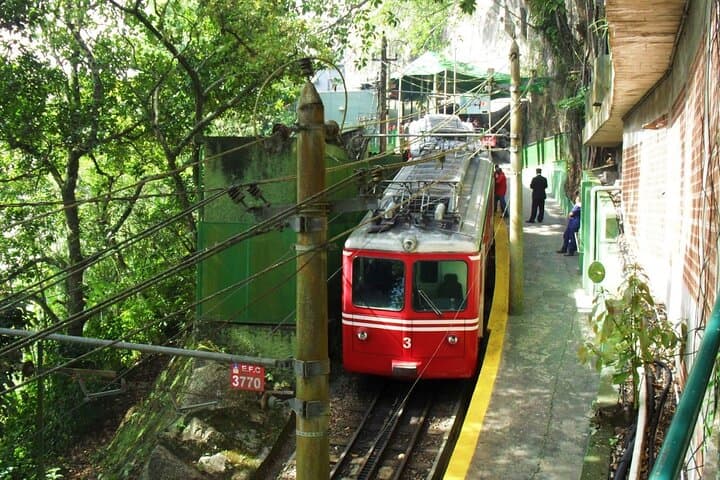
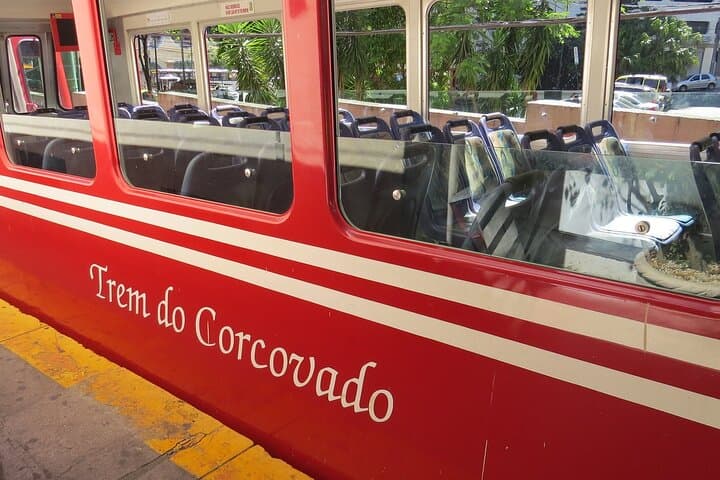
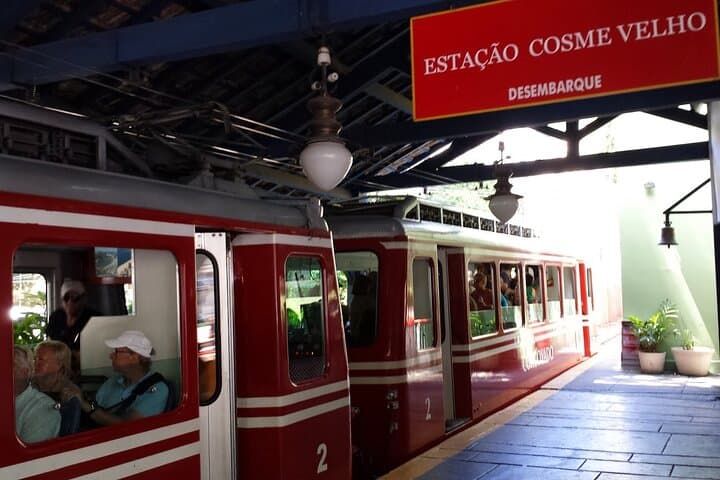
Guests step from the city into the Corcovado rack railway: a 20‑minute climb through secondary rainforest that smells of wet earth and citrus. At the platform the statue of Christ the Redeemer rises—an Art Deco guardian set in 1931 atop granite—offering a 360° sweep of bays, beaches and sugarloaf peaks. The guide times stops for photographs and points out the geological seams that split granite into domes and towers.
Later the transfer crosses to Praia Vermelha. The Sugarloaf cable car—an early 20th‑century engineering icon—takes visitors in two stages to Morro da Urca and then Pão de Açúcar, where sheer granite plummets to the sea and sunsets paint the bay.
History, geology and urban culture intersect: Corcovado’s statue reflects Brazil’s 20th‑century identity; Sugarloaf’s cable car traces the city’s embrace of tourism and technology. Tijuca Forest is a reclaimed urban rainforest, home to small monkeys and bright songbirds.
Practical guidance: reconfirm hotel pickup 24 hours ahead, arrive 15 minutes early at meeting points, carry ID for tickets and use layered clothing—coastal winds can be cool at viewpoints. Expect moderate walking, stairs and crowds on peak hours; early morning or late afternoon light offers the best photos and thinner lines. Sunscreen, a refillable water bottle and a confident camera hand will make the day run smoothly.
easy.
4 hours.
Lightly active: must be comfortable walking short distances, climbing stairs and standing at viewpoints.
Yes; both Corcovado train tickets and Sugarloaf cable car tickets are included in the tour price.
Yes—round‑trip transfers from centrally located hotels are provided, but you must reconfirm pickup time 24 hours in advance.
Infants can use strollers in parts of the route, but expect stairs and uneven surfaces at viewpoints; infants must sit on an adult’s lap on transport.
Early morning or late afternoon offers fewer crowds and better light; sunset is spectacular but busiest.
Christ the Redeemer was completed in 1931 and became a national icon; the Sugarloaf cable car, opened in the early 20th century, helped popularize scenic tourism in Rio.
Tijuca Forest is a largely reforested urban rainforest—stay on trails, avoid feeding wildlife and carry out waste to support ongoing restoration and visitor management.
Rio Carioca Tour Ltda operates guided outdoor trips and adventures with an emphasis on safety, stewardship, and memorable experiences.

The day starts on Avenida Atlântica, with the Atlantic pressing salt air against the windows as the minivan threads toward the green of Tijuca.
The day starts on Avenida Atlântica, with the Atlantic pressing salt air against the windows as the minivan threads toward the green of Tijuca.
Guests step from the city into the Corcovado rack railway: a 20‑minute climb through secondary rainforest that smells of wet earth and citrus. At the platform the statue of Christ the Redeemer rises—an Art Deco guardian set in 1931 atop granite—offering a 360° sweep of bays, beaches and sugarloaf peaks. The guide times stops for photographs and points out the geological seams that split granite into domes and towers.
Later the transfer crosses to Praia Vermelha. The Sugarloaf cable car—an early 20th‑century engineering icon—takes visitors in two stages to Morro da Urca and then Pão de Açúcar, where sheer granite plummets to the sea and sunsets paint the bay.
History, geology and urban culture intersect: Corcovado’s statue reflects Brazil’s 20th‑century identity; Sugarloaf’s cable car traces the city’s embrace of tourism and technology. Tijuca Forest is a reclaimed urban rainforest, home to small monkeys and bright songbirds.
Practical guidance: reconfirm hotel pickup 24 hours ahead, arrive 15 minutes early at meeting points, carry ID for tickets and use layered clothing—coastal winds can be cool at viewpoints. Expect moderate walking, stairs and crowds on peak hours; early morning or late afternoon light offers the best photos and thinner lines. Sunscreen, a refillable water bottle and a confident camera hand will make the day run smoothly.