THE ADVENTURE COLLECTIVE® · Independent discovery and booking for outdoor travel

Hike 18 km from La Leona to Sirena through Corcovado’s primeval rainforest, spend a night at Sirena Biological Station, then return by boat to Puerto Jiménez. This two-day itinerary mixes long jungle walking, river crossings, and a scenic coastal boat ride.
Hike 18 km from La Leona to Sirena through Corcovado’s primeval rainforest, spend a night at Sirena Biological Station, then return by boat to Puerto Jiménez. This two-day itinerary mixes long jungle walking, river crossings, and a scenic coastal boat ride.
Dawn arrives as a thin wash of light through the canopy — you step from the 4x4 in Carate and the rainforest swallows the sound of civilization. The trail ahead is raw: alternating ribbons of beach and packed earth, muddy river crossings that dare you to stay dry, and a living ceiling of leaves where macaws flare like pockets of color.
Verified experiences and guided adventures in the surrounding area.
Operated by Corcovado Wild Tours · Puerto Jiménez, Puntarenas
Dawn arrives as a thin wash of light through the canopy — you step from the 4x4 in Carate and the rainforest swallows the sound of civilization. The trail ahead is raw: alternating ribbons of beach and packed earth, muddy river crossings that dare you to stay dry, and a living ceiling of leaves where macaws flare like pockets of color.
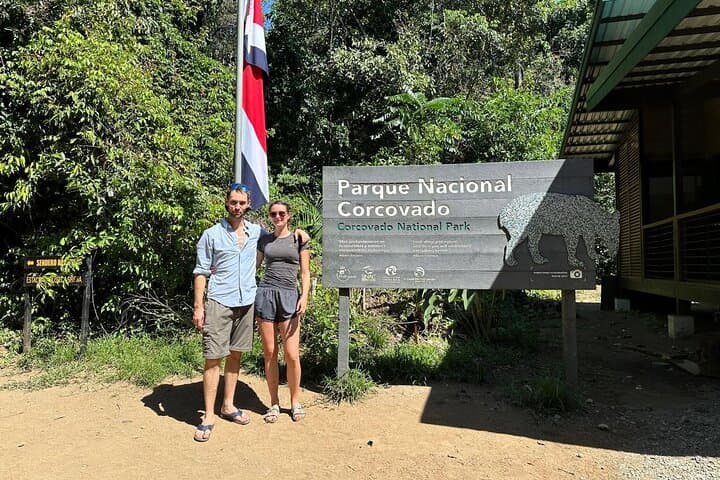
Corcovado National Park, established in the 1970s to protect one of Costa Rica’s richest wild places, slices the Osa Peninsula into protected rainforest and rugged coastline. Geologically it’s young tropical terrain: steep drainages carving narrow beaches, estuaries fed by fast creeks, and soils that drain quickly into the Pacific. Culturally the area is tied to small coastal towns like Puerto Jiménez and Carate, where guides and rangers combine traditional knowledge with modern conservation practice.
On this 18 km in / boat-out itinerary you spend a night at Sirena Biological Station — a simple hub for researchers and trekkers — then explore nearby trails at first light before boarding a boat that may pass pods of dolphins or a solitary sea turtle.
Practical guidance: plan for 6–8 hours of walking the first day over uneven, sometimes wet terrain; carry 2+ liters of water, lightweight rain protection, and a headlamp. Expect basic shared dorms and limited electricity at Sirena. Permits, park rules (no single-use plastics, no drones), and a certified local guide are part of the experience — prepare for an immersive, physically honest taste of Costa Rica’s wild coast.
moderate.
2 days (approximately 48 hours).
Good aerobic fitness and comfort walking 18 km with some elevation change and river crossings; able to carry a daypack and basic overnight gear.
Yes — park admission is included with most guided visits; guides handle check-in with park rangers at entry and Sirena Station.
It’s a sustained jungle hike over mixed terrain with several river crossings; pace is steady with breaks — rated moderate but requires endurance.
Accommodations are basic dormitory-style cabins with shared bathrooms and limited electricity; bring earplugs and a lightweight sleeping sheet if desired.
Yes — experienced skippers run the coastal transfer but departures depend on weather and sea conditions; guides plan accordingly and monitor safety.
Corcovado was designated a national park in the 1970s to protect critical lowland rainforest on the Osa Peninsula; Sirena has long served both researchers and park management.
Strict park rules limit single-use plastics, drones, and off-trail travel; guided trips support research and patrols that protect this high-biodiversity area.
Corcovado Wild Tours operates guided outdoor trips and adventures with an emphasis on safety, stewardship, and memorable experiences.
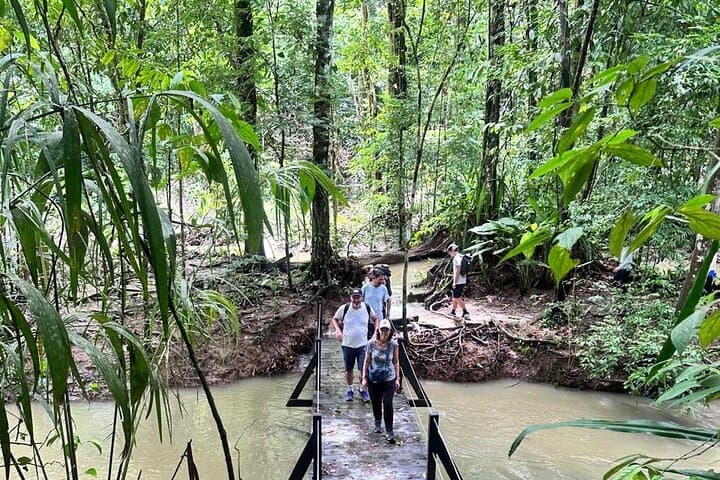
Dawn arrives as a thin wash of light through the canopy — you step from the 4x4 in Carate and the rainforest swallows the sound of civilization. The trail ahead is raw: alternating ribbons of beach and packed earth, muddy river crossings that dare you to stay dry, and a living ceiling of leaves where macaws flare like pockets of color.
Dawn arrives as a thin wash of light through the canopy — you step from the 4x4 in Carate and the rainforest swallows the sound of civilization. The trail ahead is raw: alternating ribbons of beach and packed earth, muddy river crossings that dare you to stay dry, and a living ceiling of leaves where macaws flare like pockets of color.
Corcovado National Park, established in the 1970s to protect one of Costa Rica’s richest wild places, slices the Osa Peninsula into protected rainforest and rugged coastline. Geologically it’s young tropical terrain: steep drainages carving narrow beaches, estuaries fed by fast creeks, and soils that drain quickly into the Pacific. Culturally the area is tied to small coastal towns like Puerto Jiménez and Carate, where guides and rangers combine traditional knowledge with modern conservation practice.
On this 18 km in / boat-out itinerary you spend a night at Sirena Biological Station — a simple hub for researchers and trekkers — then explore nearby trails at first light before boarding a boat that may pass pods of dolphins or a solitary sea turtle.
Practical guidance: plan for 6–8 hours of walking the first day over uneven, sometimes wet terrain; carry 2+ liters of water, lightweight rain protection, and a headlamp. Expect basic shared dorms and limited electricity at Sirena. Permits, park rules (no single-use plastics, no drones), and a certified local guide are part of the experience — prepare for an immersive, physically honest taste of Costa Rica’s wild coast.