THE ADVENTURE COLLECTIVE® · Independent discovery and booking for outdoor travel

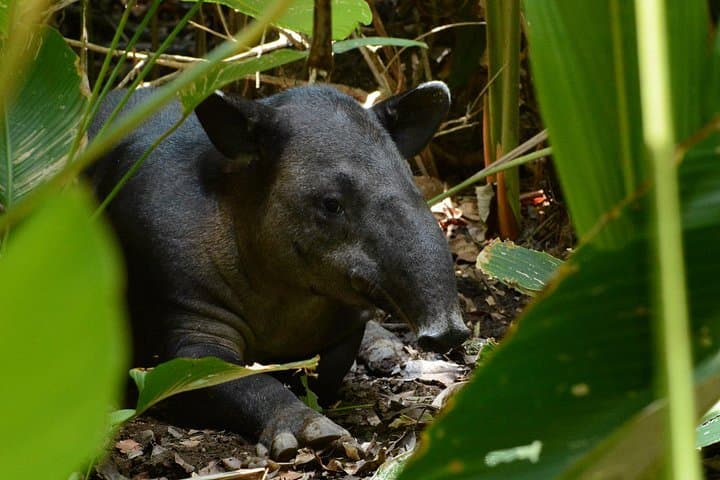
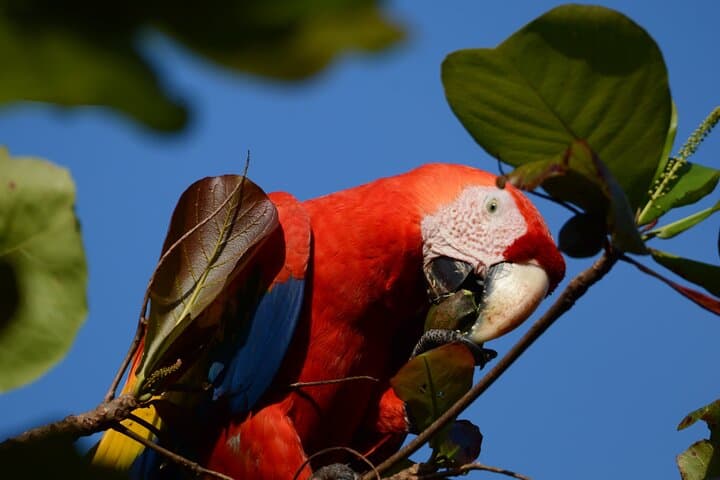
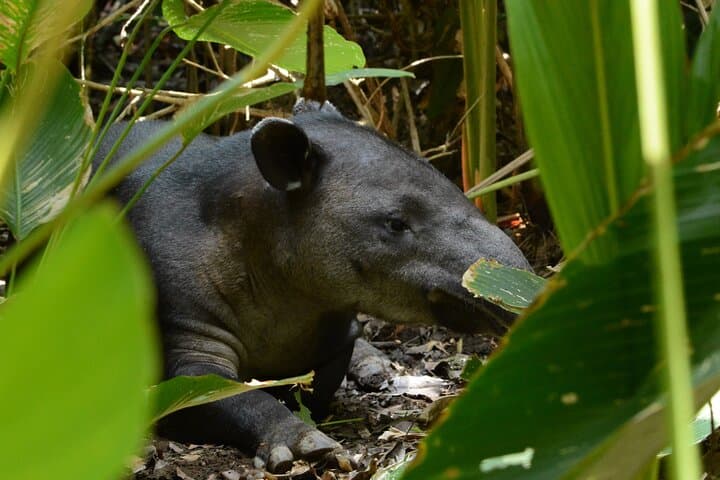
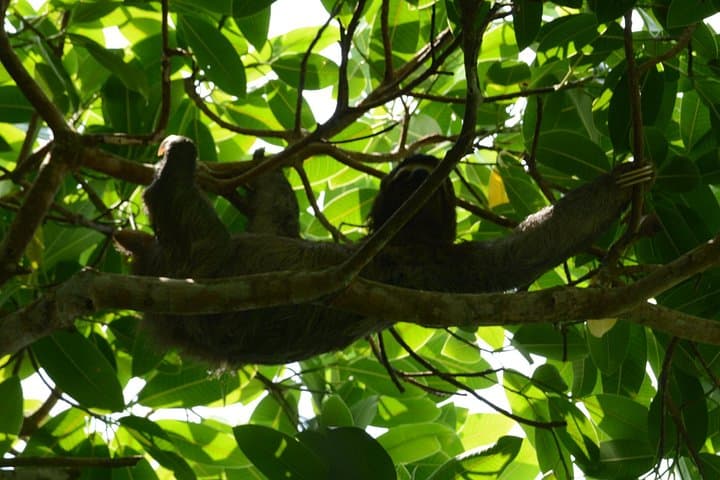
Board a panga at dawn for a 1.5-hour boat ride to San Pedrillo, then hike rainforest trails where tapirs, monkeys and colorful macaws roam. This full-day tour blends coastal views with rich lowland jungle and guided wildlife interpretation.
Board a panga at dawn for a 1.5-hour boat ride to San Pedrillo, then hike rainforest trails where tapirs, monkeys and colorful macaws roam. This full-day tour blends coastal views with rich lowland jungle and guided wildlife interpretation.
Morning light hits the reef as your group loads onto a small panga; the Pacific spits salt and sea-spray against the hull while the rainforest ahead waits like a living wall.
Verified experiences and guided adventures in the surrounding area.
Operated by Costa Ballena Explore · Uvita, Puntarenas
Morning light hits the reef as your group loads onto a small panga; the Pacific spits salt and sea-spray against the hull while the rainforest ahead waits like a living wall.
This full-day excursion runs from the Central Pacific coast to San Pedrillo station in Corcovado National Park — one of Costa Rica’s most biodiverse reserves. Geology here is raw: low coastal ridges dropping into mangrove-lined bays, with steep interior slopes carrying ancient soils that feed the moist lowland forest. The Osa Peninsula’s isolation helped preserve large mammals and dense birdlife; the park was set aside in the 1970s to protect those values and remains a priority for conservation.
Culturally, guides often share local knowledge about sustainable use and the history of early settlements around the park’s perimeters. Expect jungle trails that cross roots, muddy sections, and shaded boardwalks, interspersed with short beach stretches where sea and forest meet.
Practical rundown: total tour ~8 hours including ~1.5-hour each way by boat and roughly 2–4 hours of hiking on marked trails. Terrain is uneven with occasional elevation changes but no technical climbing. Wear waterproof hiking shoes, long pants, and bring 2–3 liters of water, insect repellent, sun protection, and a rain layer. Binoculars and a camera with a telephoto lens improve chances of spotting tapirs, monkeys, and scarlet macaws.
Permits and entrance fees are managed by the operator; carry ID and let guides know dietary or mobility restrictions in advance. Move quietly, follow guide direction, and the rainforest will begin to reveal itself.
moderate.
8 hours (includes boat transfers).
Able to hike 3–6 miles on uneven, sometimes muddy jungle trails; basic endurance and balance recommended
The operator typically handles park permits and entrance fees as part of the tour; carry your passport ID and confirm details when you book.
Corcovado hosts those species, but sightings aren’t guaranteed—early quiet movement and an experienced guide boost your chances.
The outing is rated accessible for most fitness levels but involves boat transfers and uneven trails; check mobility concerns with the operator beforehand.
Use EPA-approved repellent, wear long pants and treat clothing where appropriate; your guide can advise on best local practices.
Corcovado was established in the 1970s to protect the Osa Peninsula’s unusually intact lowland rainforest and coastal ecosystems.
Stay on designated trails, pack out all waste, and follow guide direction—tour operators in the region work under strict park rules to minimize visitor impact.
Costa Ballena Explore operates guided outdoor trips and adventures with an emphasis on safety, stewardship, and memorable experiences.
Morning light hits the reef as your group loads onto a small panga; the Pacific spits salt and sea-spray against the hull while the rainforest ahead waits like a living wall.
Morning light hits the reef as your group loads onto a small panga; the Pacific spits salt and sea-spray against the hull while the rainforest ahead waits like a living wall.
This full-day excursion runs from the Central Pacific coast to San Pedrillo station in Corcovado National Park — one of Costa Rica’s most biodiverse reserves. Geology here is raw: low coastal ridges dropping into mangrove-lined bays, with steep interior slopes carrying ancient soils that feed the moist lowland forest. The Osa Peninsula’s isolation helped preserve large mammals and dense birdlife; the park was set aside in the 1970s to protect those values and remains a priority for conservation.
Culturally, guides often share local knowledge about sustainable use and the history of early settlements around the park’s perimeters. Expect jungle trails that cross roots, muddy sections, and shaded boardwalks, interspersed with short beach stretches where sea and forest meet.
Practical rundown: total tour ~8 hours including ~1.5-hour each way by boat and roughly 2–4 hours of hiking on marked trails. Terrain is uneven with occasional elevation changes but no technical climbing. Wear waterproof hiking shoes, long pants, and bring 2–3 liters of water, insect repellent, sun protection, and a rain layer. Binoculars and a camera with a telephoto lens improve chances of spotting tapirs, monkeys, and scarlet macaws.
Permits and entrance fees are managed by the operator; carry ID and let guides know dietary or mobility restrictions in advance. Move quietly, follow guide direction, and the rainforest will begin to reveal itself.