THE ADVENTURE COLLECTIVE® · Independent discovery and booking for outdoor travel

Board the Coral Princess for a five‑hour whale‑watching cruise off Bermuda during March–April. Expect close views of migrating humpbacks, veteran crew guidance, and straightforward tips on comfort and safety.
Board the Coral Princess for a five‑hour whale‑watching cruise off Bermuda during March–April. Expect close views of migrating humpbacks, veteran crew guidance, and straightforward tips on comfort and safety.
The boat slips free of the pier and the harbor widens until the coastline becomes a low, pastel line. Cold Atlantic air tugs at jackets and the ocean itself seems to lean toward the horizon, as if urging something larger to appear. On Coral Princess, veteran crew scan the swell while passengers shift from rail to rail, binoculars raised.
Verified experiences and guided adventures in the surrounding area.
Operated by Island Tour Centre · Hamilton, Bermuda
The boat slips free of the pier and the harbor widens until the coastline becomes a low, pastel line. Cold Atlantic air tugs at jackets and the ocean itself seems to lean toward the horizon, as if urging something larger to appear. On Coral Princess, veteran crew scan the swell while passengers shift from rail to rail, binoculars raised.
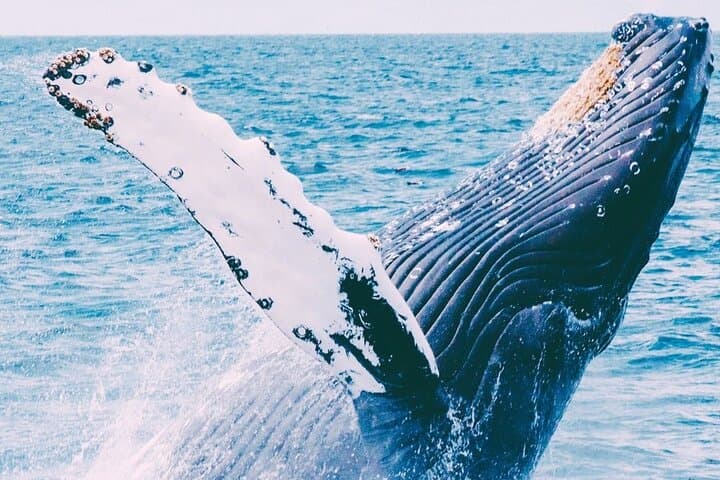
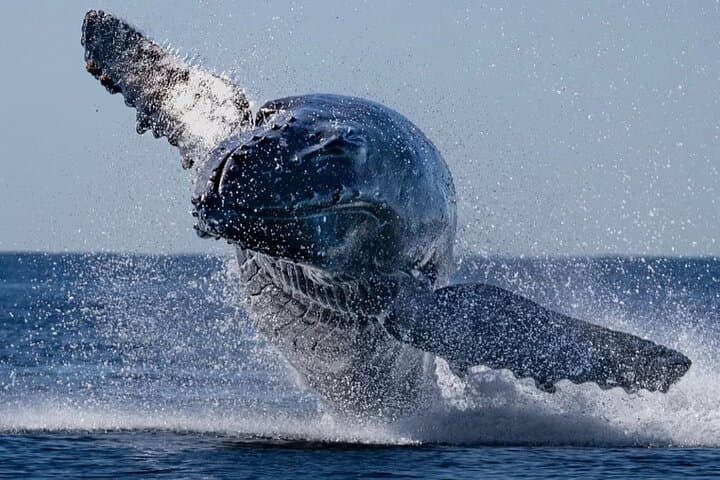
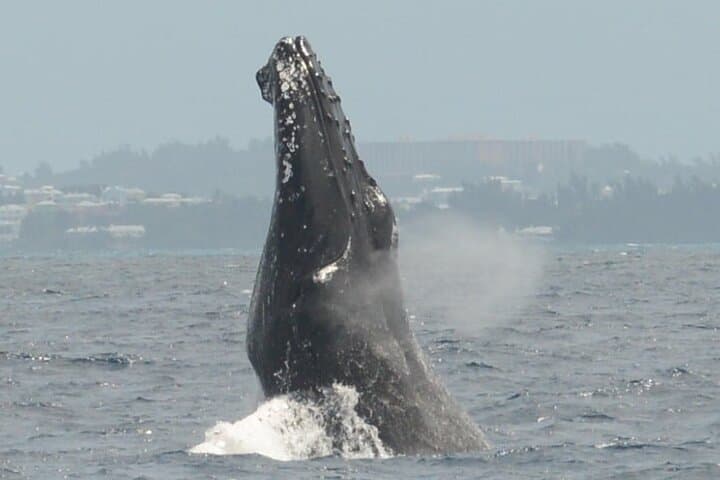
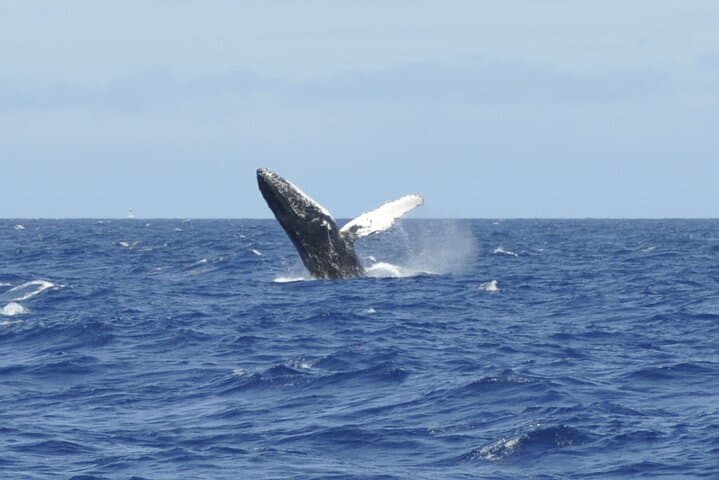
Bermuda sits on the northern edge of the Sargasso Sea, a rim of reefs and seafloor ridges that shape local currents and create rich feeding lanes. Humpback whales use these corridors during spring migration, surfacing, rolling and occasionally breaching in a display that makes time slow. The island’s maritime history—from 19th-century Royal Navy shipyards to modern sportfishing—frames a culture tied to the sea, and whale-watching tours now balance curiosity with conservation: the animals are observed at respectful distances and sightings are common but not guaranteed.
Expect 5 hours aboard a stable passenger vessel, with bottled water and light refreshments provided. Dress in layers, bring windproof outerwear, and secure cameras; the swell can be steady even on calm days. If you’re prone to motion sickness, take preventative medication and sit midship where the roll is least pronounced. Morning departures often give calmer seas and cleaner light for photos.
Practical notes: arrive early to check in and use public transport or nearby parking, carry your ticket and ID, and be prepared for weather-dependent cancellations. On-deck, listen to crew briefings about safety and wildlife etiquette—these keep the experience both thrilling and responsible.
easy.
5 hours.
Suitable for most fitness levels; requires ability to board a small passenger vessel and stand or sit for extended periods.
No—sightings are common during March–April migration but cannot be guaranteed; operators follow best practices to find whales when present.
Yes; the operator requires participants to be at least 5 years old and recommends parental supervision for young children on deck.
Tours are subject to cancellation for safety; full refunds are offered if canceled 24 hours prior or due to bad weather as stated in the policy.
Accessibility varies by vessel—contact the operator ahead of time to confirm ramps and assistance for mobility devices.
Bermuda's maritime role—from Royal Navy bases to transatlantic shipping—shaped local seafaring skills and established the island as a long‑standing observation point for migrating whales.
Operators follow distance and approach guidelines to reduce disturbance; support local conservation groups by respecting rules and disposing of waste responsibly.
Island Tour Centre operates guided outdoor trips and adventures with an emphasis on safety, stewardship, and memorable experiences.
The boat slips free of the pier and the harbor widens until the coastline becomes a low, pastel line. Cold Atlantic air tugs at jackets and the ocean itself seems to lean toward the horizon, as if urging something larger to appear. On Coral Princess, veteran crew scan the swell while passengers shift from rail to rail, binoculars raised.
The boat slips free of the pier and the harbor widens until the coastline becomes a low, pastel line. Cold Atlantic air tugs at jackets and the ocean itself seems to lean toward the horizon, as if urging something larger to appear. On Coral Princess, veteran crew scan the swell while passengers shift from rail to rail, binoculars raised.
Bermuda sits on the northern edge of the Sargasso Sea, a rim of reefs and seafloor ridges that shape local currents and create rich feeding lanes. Humpback whales use these corridors during spring migration, surfacing, rolling and occasionally breaching in a display that makes time slow. The island’s maritime history—from 19th-century Royal Navy shipyards to modern sportfishing—frames a culture tied to the sea, and whale-watching tours now balance curiosity with conservation: the animals are observed at respectful distances and sightings are common but not guaranteed.
Expect 5 hours aboard a stable passenger vessel, with bottled water and light refreshments provided. Dress in layers, bring windproof outerwear, and secure cameras; the swell can be steady even on calm days. If you’re prone to motion sickness, take preventative medication and sit midship where the roll is least pronounced. Morning departures often give calmer seas and cleaner light for photos.
Practical notes: arrive early to check in and use public transport or nearby parking, carry your ticket and ID, and be prepared for weather-dependent cancellations. On-deck, listen to crew briefings about safety and wildlife etiquette—these keep the experience both thrilling and responsible.