THE ADVENTURE COLLECTIVE® · Independent discovery and booking for outdoor travel

A two-hour morning snorkel off Coral Island near Trincomalee delivers vivid shallow-reef encounters: clownfish, anemones, and shoals in clear water. Book early for the best visibility and follow reef-safe practices.
A two-hour morning snorkel off Coral Island near Trincomalee delivers vivid shallow-reef encounters: clownfish, anemones, and shoals in clear water. Book early for the best visibility and follow reef-safe practices.
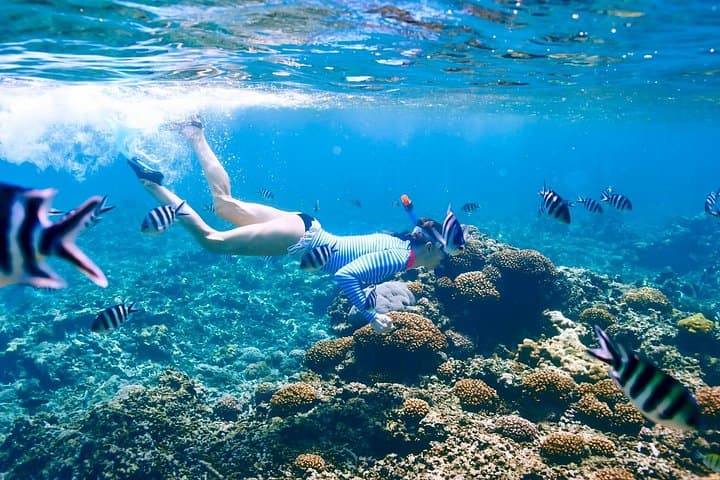
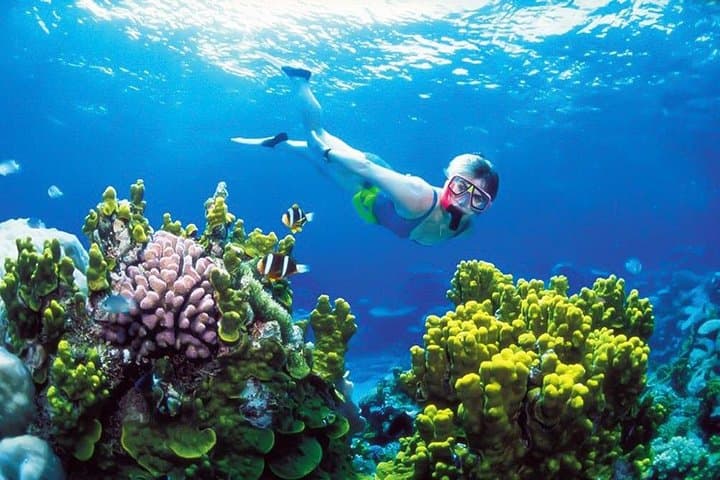
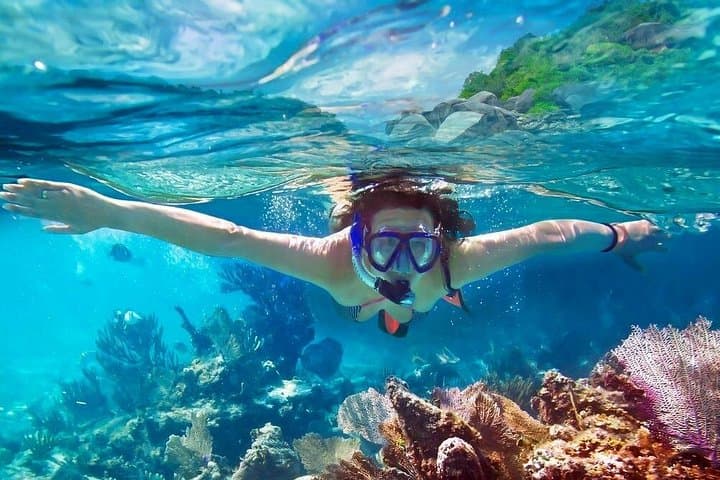
You step off a small fibreglass boat into green-blue water that holds the island like a coin—sunlight slicing through surface ripples, fish glinting beneath. The snorkeling run from Trincomalee spends two focused hours above shallow reefs where hard corals build low gardens and shoals move as one. Visibility is best in the morning; by midday the light shifts and many reef residents slip into shadow.
Verified experiences and guided adventures in the surrounding area.
Operated by Lakpura LLC · Trincomalee, Eastern Province
You step off a small fibreglass boat into green-blue water that holds the island like a coin—sunlight slicing through surface ripples, fish glinting beneath. The snorkeling run from Trincomalee spends two focused hours above shallow reefs where hard corals build low gardens and shoals move as one. Visibility is best in the morning; by midday the light shifts and many reef residents slip into shadow.
The northeast Sri Lankan coast has been a seafaring crossroads for centuries. Coral ridges here formed on volcanic-and-sediment foundations, producing compact reefs in sheltered bays. Local fishing villages around Trincomalee still work with tide and season; occasional temple festivals onshore punctuate calm mornings on the water.
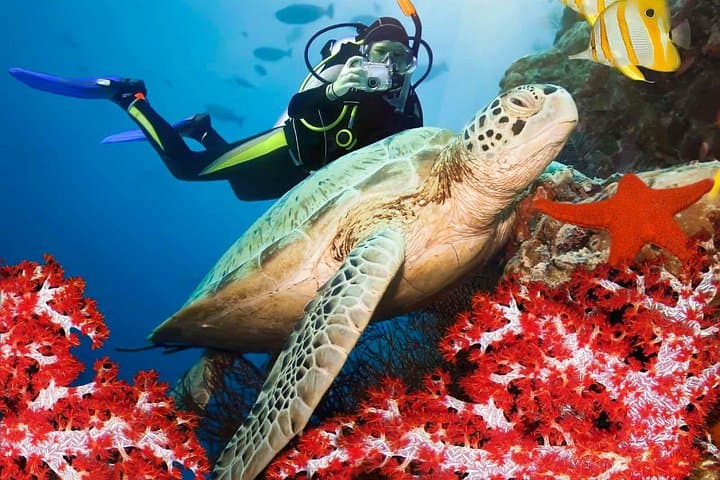
Expect to see banded anemones, clownfish, hermit crabs probing crevices, and silver-blue baitfish. The substrate is a mix of living coral, rubble, and sand flats—snorkeling is mostly surface work with short dives. Boats run about 15–20 minutes to prime spots; guides brief on entry, buddying, and no-touch rules.
Practical edge: book the earliest slot for best visibility, bring a reef-safe sunscreen and a thin long-sleeve rashguard for sun and jelly protection, and secure a waterproof pouch for a phone or camera. Fitness matters—entrance and exit can require scrambling on rock or ladder work. If you’re new to snorkeling, ask for a short practice before heading out. Leave nothing behind; reefs heal slowly. With basic preparation this two-hour swim delivers vivid, close encounters without deep-diving technical skills—just steady breathing and an eye for color.
moderate.
2 hours.
Comfortable swimming ability and basic stamina for short swims and boat transfers; good for fit beginners with brief instruction
Boat transfers are typically 15–20 minutes each way, depending on sea conditions and the exact snorkel spot.
Basic swimming ability is recommended; non-swimmers may use a flotation aid and should stay with a guide or buddy.
Operators often maintain schedules unless conditions are unsafe; check cancellation policy and rebooking options when you book.
Yes—most tours provide masks, snorkels and fins; you may bring personal gear for fit and hygiene reasons.
The Trincomalee coast has long been a maritime hub; reefs and islands have sheltered local fishing communities and traders for centuries.
This coastline’s reefs are fragile—follow no-touch rules, use reef-safe sunscreen, and avoid standing on coral to reduce damage.
Lakpura LLC operates guided outdoor trips and adventures with an emphasis on safety, stewardship, and memorable experiences.
You step off a small fibreglass boat into green-blue water that holds the island like a coin—sunlight slicing through surface ripples, fish glinting beneath. The snorkeling run from Trincomalee spends two focused hours above shallow reefs where hard corals build low gardens and shoals move as one. Visibility is best in the morning; by midday the light shifts and many reef residents slip into shadow.
You step off a small fibreglass boat into green-blue water that holds the island like a coin—sunlight slicing through surface ripples, fish glinting beneath. The snorkeling run from Trincomalee spends two focused hours above shallow reefs where hard corals build low gardens and shoals move as one. Visibility is best in the morning; by midday the light shifts and many reef residents slip into shadow.
The northeast Sri Lankan coast has been a seafaring crossroads for centuries. Coral ridges here formed on volcanic-and-sediment foundations, producing compact reefs in sheltered bays. Local fishing villages around Trincomalee still work with tide and season; occasional temple festivals onshore punctuate calm mornings on the water.
Expect to see banded anemones, clownfish, hermit crabs probing crevices, and silver-blue baitfish. The substrate is a mix of living coral, rubble, and sand flats—snorkeling is mostly surface work with short dives. Boats run about 15–20 minutes to prime spots; guides brief on entry, buddying, and no-touch rules.
Practical edge: book the earliest slot for best visibility, bring a reef-safe sunscreen and a thin long-sleeve rashguard for sun and jelly protection, and secure a waterproof pouch for a phone or camera. Fitness matters—entrance and exit can require scrambling on rock or ladder work. If you’re new to snorkeling, ask for a short practice before heading out. Leave nothing behind; reefs heal slowly. With basic preparation this two-hour swim delivers vivid, close encounters without deep-diving technical skills—just steady breathing and an eye for color.