THE ADVENTURE COLLECTIVE® · Independent discovery and booking for outdoor travel

Walk Toruń’s medieval streets from St. Mary’s to castle ruins on a 90-minute self-guided tour that links Copernicus landmarks, leaning towers and local gingerbread lore. Download the app, lace up comfortable shoes, and plan for cobblestones and cafés.
Walk Toruń’s medieval streets from St. Mary’s to castle ruins on a 90-minute self-guided tour that links Copernicus landmarks, leaning towers and local gingerbread lore. Download the app, lace up comfortable shoes, and plan for cobblestones and cafés.
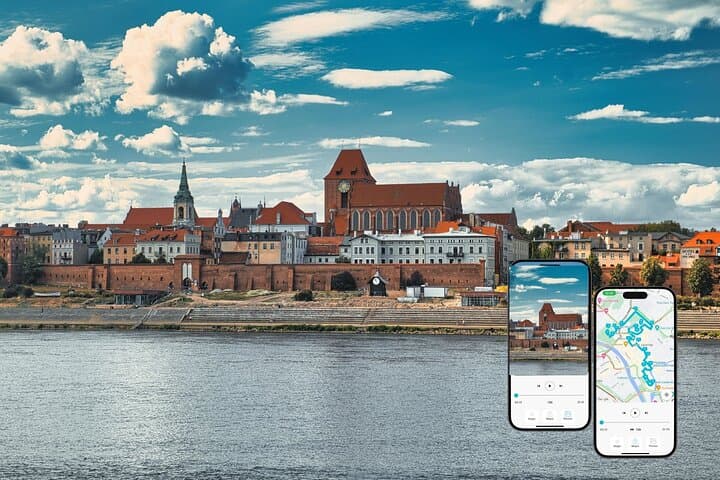
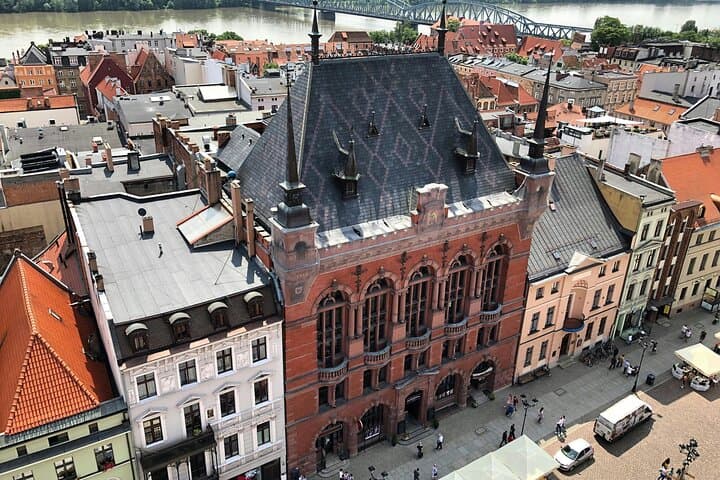
You step off cobblestones that still remember merchants’ boots and feel the air tighten around red-brick gables—St. Mary’s tower slicing the sky above the old market.
Verified experiences and guided adventures in the surrounding area.
Operated by Tourific · Torun, Kuyavian-Pomeranian Voivodeship
You step off cobblestones that still remember merchants’ boots and feel the air tighten around red-brick gables—St. Mary’s tower slicing the sky above the old market.
This ninety-minute self-guided walk threads through Toruń’s medieval heart, where towers, gates and a leaning turret chart centuries of trade and craft. The city, a prosperous Hanseatic port on the Vistula, keeps its past visible: fortress ruins, the outline of a Teutonic castle, and the narrow lanes that once fed grain to river barges. Nicolaus Copernicus’s birthplace is more than a plaque; it’s a civic pride that anchors museums and monuments throughout the square.
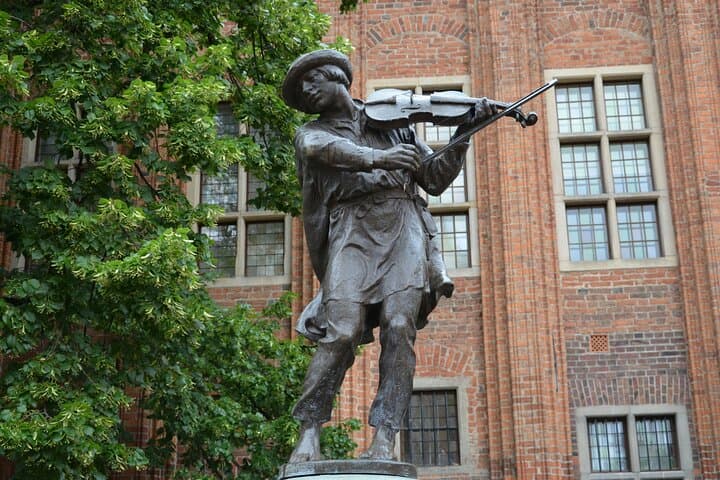
Geology here is quiet—brick and timber sit on glacial clays carved by the Vistula; the river still shapes the town’s promenades and former granary skyline. Culture turns on a few local obsessions: gingerbread recipes, astronomical history, and an eclectic cast of street statues that tell neighborhood stories in stone and bronze.
Practical guidance: download the included mobile app and enable offline mode before you start—audio guides and maps are available for one year. Expect uneven cobbles and short flights of stone steps; allow 90–120 minutes if you linger in museums or cafes. Morning and late afternoon offer cooler light for photos and fewer tour groups. Bring a portable charger, wear supportive shoes, and leave room for gingerbread tasting at a specialist bakery near the market. Public transport and bike parking sit close to the old town’s main gates, but the route is best enjoyed on foot—slow, observant, and curious.
easy.
1.5 hours (90 minutes).
Suitable for most fitness levels; requires steady walking and balance on uneven surfaces
No—download the tour ahead of time for offline audio and maps; internet is only needed for the initial download.
Approximately 90 minutes of walking time; plan 2 hours if you visit museums or stop for food.
Parts of the old town have narrow passages and uneven cobbles; accessibility is limited in several sections.
The tour includes AI-translated audio and written guides; language availability can vary—check the app before starting.
Torun’s Old Town grew as a Hanseatic trade hub and is the birthplace of astronomer Nicolaus Copernicus; much of the center retains medieval street patterns and brick Gothic architecture.
Torun’s historic core is protected as a UNESCO heritage area—stay on marked paths, avoid climbing fragile walls, and support local conservation by patronizing certified museums and businesses.
Tourific operates guided outdoor trips and adventures with an emphasis on safety, stewardship, and memorable experiences.

You step off cobblestones that still remember merchants’ boots and feel the air tighten around red-brick gables—St. Mary’s tower slicing the sky above the old market.
You step off cobblestones that still remember merchants’ boots and feel the air tighten around red-brick gables—St. Mary’s tower slicing the sky above the old market.
This ninety-minute self-guided walk threads through Toruń’s medieval heart, where towers, gates and a leaning turret chart centuries of trade and craft. The city, a prosperous Hanseatic port on the Vistula, keeps its past visible: fortress ruins, the outline of a Teutonic castle, and the narrow lanes that once fed grain to river barges. Nicolaus Copernicus’s birthplace is more than a plaque; it’s a civic pride that anchors museums and monuments throughout the square.
Geology here is quiet—brick and timber sit on glacial clays carved by the Vistula; the river still shapes the town’s promenades and former granary skyline. Culture turns on a few local obsessions: gingerbread recipes, astronomical history, and an eclectic cast of street statues that tell neighborhood stories in stone and bronze.
Practical guidance: download the included mobile app and enable offline mode before you start—audio guides and maps are available for one year. Expect uneven cobbles and short flights of stone steps; allow 90–120 minutes if you linger in museums or cafes. Morning and late afternoon offer cooler light for photos and fewer tour groups. Bring a portable charger, wear supportive shoes, and leave room for gingerbread tasting at a specialist bakery near the market. Public transport and bike parking sit close to the old town’s main gates, but the route is best enjoyed on foot—slow, observant, and curious.