THE ADVENTURE COLLECTIVE® · Independent discovery and booking for outdoor travel

Explore Copenhagen’s harbor, castles and colorful quays on a new electric kick-bike. This 2.25-hour guided route covers major sights, city stories, and practical urban riding tips—perfect for first-time visitors who want covering ground fast without missing detail.
Explore Copenhagen’s harbor, castles and colorful quays on a new electric kick-bike. This 2.25-hour guided route covers major sights, city stories, and practical urban riding tips—perfect for first-time visitors who want covering ground fast without missing detail.
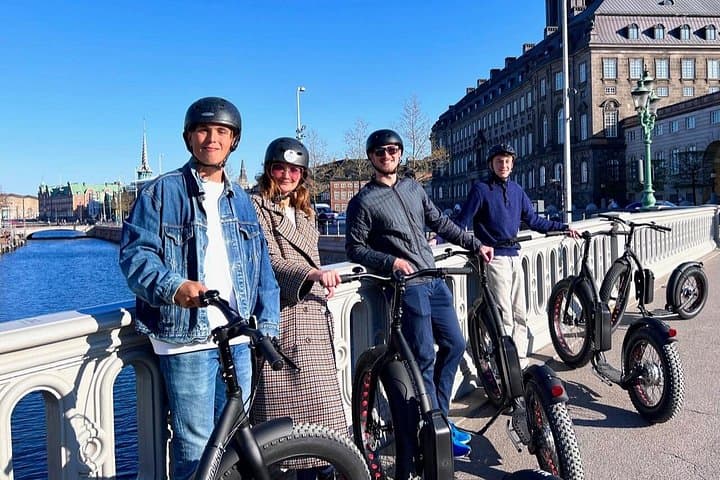
You push off and the city answers: the harbor opens, gulls wheel as the scooter hums beneath you, and cobbled streets channel centuries of footsteps. On an electric kick-bike you move at the city's pulse—fast enough to cross bridges, slow enough to hear the guide point out a rooftop or royal crest.
Verified experiences and guided adventures in the surrounding area.
Operated by Segway & Bike Tours Copenhagen · Copenhagen, Capital Region
You push off and the city answers: the harbor opens, gulls wheel as the scooter hums beneath you, and cobbled streets channel centuries of footsteps. On an electric kick-bike you move at the city's pulse—fast enough to cross bridges, slow enough to hear the guide point out a rooftop or royal crest.
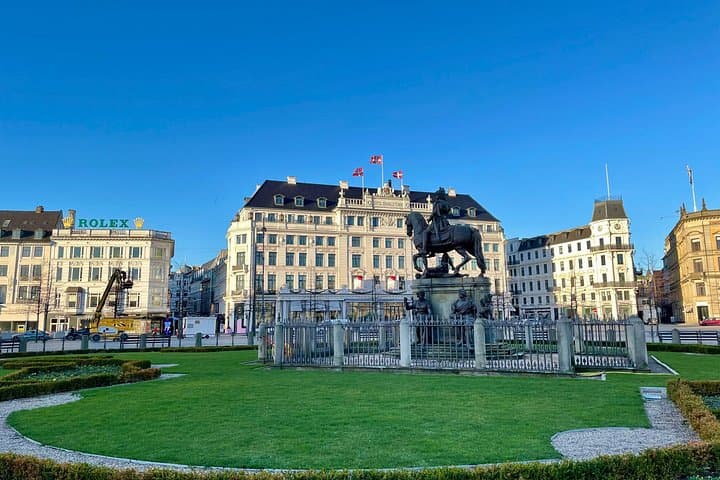
Copenhagen began as a 12th-century fishing and trading post founded by Bishop Absalon; today its layout still follows those waterways. The tour threads through Renaissance trading houses, the 18th-century Marble Church and the Royal Castle precinct, then spills onto Nyhavn’s painted facades and the Little Mermaid looking out over open water. Geologically, the city sits on flat, glacially deposited plains—there are no big climbs, but you’ll feel the change from granite quays to brick lanes and modern waterfront development like CopenHill and Reffen.
Culturally, Copenhagen is organized around active transit: bike lanes, ferries, and public life happen at street level. Guides here mix transport tips with local anecdotes and point out where policy and design have reshaped public space.
Practical guidance: the route is mostly flat urban pavement with occasional cobbles, roughly 8–10 km covered over about 2¼ hours. Helmets and radio headsets are provided; wear closed-toe shoes and a wind layer. Follow the guide’s directions in traffic and stay in bike lanes. The operator limits shared groups to eight and offers luggage storage and basic concierge services. This is an accessible, low-impact way to see Copenhagen’s main sights while learning how the city moves.
easy.
2–2.5 hours.
Suitable for most fitness levels; you should be comfortable standing and balancing for short periods and able to follow urban traffic flow.
The experience lasts about 2 hours 15 minutes and typically covers roughly 8–10 km around central Copenhagen on mostly flat streets.
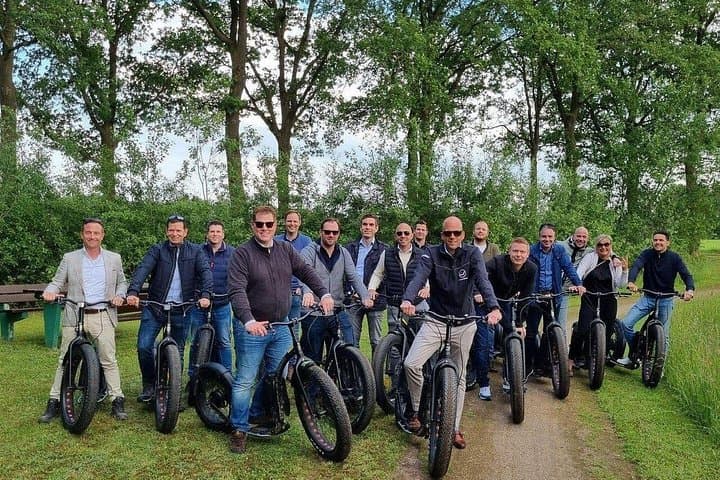
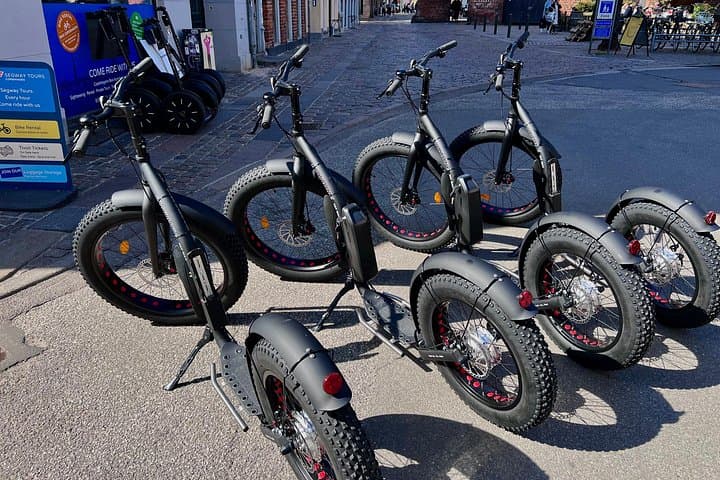
Yes—helmets, state-of-the-art electric kick-bikes and personal radio headsets are included, plus luggage storage at the office.
The tour is described as suitable for a wide range of fitness levels, but it requires standing and balancing on the scooter; it’s not recommended for pregnant travelers or those with spinal injuries.
Tours generally run in light rain; bring a waterproof layer. Check cancellation policy for heavy weather—refunds require 24-hour notice for full refund.
Copenhagen’s origins trace to Bishop Absalon’s 1167 fortification; its harbor and medieval streets still define the city’s layout and public spaces.
Copenhagen prioritizes low-emission transport and bike-first design—respect bike lanes, avoid blocking paths and minimize waste by using refillable bottles.
Segway & Bike Tours Copenhagen operates guided outdoor trips and adventures with an emphasis on safety, stewardship, and memorable experiences.
You push off and the city answers: the harbor opens, gulls wheel as the scooter hums beneath you, and cobbled streets channel centuries of footsteps. On an electric kick-bike you move at the city's pulse—fast enough to cross bridges, slow enough to hear the guide point out a rooftop or royal crest.
You push off and the city answers: the harbor opens, gulls wheel as the scooter hums beneath you, and cobbled streets channel centuries of footsteps. On an electric kick-bike you move at the city's pulse—fast enough to cross bridges, slow enough to hear the guide point out a rooftop or royal crest.
Copenhagen began as a 12th-century fishing and trading post founded by Bishop Absalon; today its layout still follows those waterways. The tour threads through Renaissance trading houses, the 18th-century Marble Church and the Royal Castle precinct, then spills onto Nyhavn’s painted facades and the Little Mermaid looking out over open water. Geologically, the city sits on flat, glacially deposited plains—there are no big climbs, but you’ll feel the change from granite quays to brick lanes and modern waterfront development like CopenHill and Reffen.
Culturally, Copenhagen is organized around active transit: bike lanes, ferries, and public life happen at street level. Guides here mix transport tips with local anecdotes and point out where policy and design have reshaped public space.
Practical guidance: the route is mostly flat urban pavement with occasional cobbles, roughly 8–10 km covered over about 2¼ hours. Helmets and radio headsets are provided; wear closed-toe shoes and a wind layer. Follow the guide’s directions in traffic and stay in bike lanes. The operator limits shared groups to eight and offers luggage storage and basic concierge services. This is an accessible, low-impact way to see Copenhagen’s main sights while learning how the city moves.