THE ADVENTURE COLLECTIVE® · Independent discovery and booking for outdoor travel

Two days from Guatemala City lands you at Copán Ruinas: an active archaeological site of carved stelae and glyphs, plus Macaw Mountain’s rescue aviaries. This overnight trip pairs hands-on history with wildlife-focused conservation.
Two days from Guatemala City lands you at Copán Ruinas: an active archaeological site of carved stelae and glyphs, plus Macaw Mountain’s rescue aviaries. This overnight trip pairs hands-on history with wildlife-focused conservation.
You arrive by road as the morning light slides over low Honduran hills; the bus hums, tires chewing up the last miles toward Copán Ruinas. The stone plazas open before you: stepped temples, carved stelae, and a stairway of glyphs that seem to hold conversation if you stand long enough to listen. On day one the site demands attention—close-up reliefs of rulers, ballcourt corners, and the Rosalila chamber whose restored colors still surprise.
Verified experiences and guided adventures in the surrounding area.
Operated by Guatemalan Adventure · Copán Ruinas, Copán
You arrive by road as the morning light slides over low Honduran hills; the bus hums, tires chewing up the last miles toward Copán Ruinas. The stone plazas open before you: stepped temples, carved stelae, and a stairway of glyphs that seem to hold conversation if you stand long enough to listen. On day one the site demands attention—close-up reliefs of rulers, ballcourt corners, and the Rosalila chamber whose restored colors still surprise.
Copán was a major Classic Maya city (5th–9th centuries CE), famed for sculpted stelae and an unusually rich hieroglyphic record. Geology here is limestone-dominated karst, so trails are compacted stone and packed earth that drain quickly in the wet season. Local culture in the town of Copán Ruinas blends Honduran highland rhythms with artisanship—wood carving, ceramics and coffee farms tucked into nearby valleys.
Day two shifts tone: Macaw Mountain Bird Park offers intimate bird encounters in large aviaries and rehabilitation work you can see firsthand. The park’s reintroduction programs aim to push flight again into nearby forest fragments; feedings and keeper talks make the conservation story immediate.
Practical guidance: bring your passport and small USD for the $3 border fee, wear stable walking shoes for uneven stone surfaces, and pack a light rain shell in the wet months. Expect a comfortable overnight hotel near the park and roughly 6–8 hours of active exploring spread over two days. An English- and Spanish-speaking guide handles logistics and border passage, letting you focus on carvings, canopy calls, and the odd scarlet macaw that insists on being noticed.
easy.
2 days (approximately 48 hours, 6–8 hours active sightseeing).
Suitable for most fitness levels; involves walking on uneven ground and short stair climbs.
Yes. A valid passport is required on the day of travel for crossing into Honduras.
No. The USD 3.00 per person payment for the border crossing is paid on-site at the border and is not included in the tour price.
Expect several hours of walking across uneven stone plazas and stairways; the tour is rated easy but requires mobility to navigate steps and archaeological platforms.
Standard overnight accommodation and two breakfasts are included; other meals and personal expenses are not included unless specified.
Copán was a major Classic Maya center (circa 5th–9th centuries CE), renowned for carved stelae, elaborate altars and a lengthy hieroglyphic stairway documenting dynastic history.
Macaw Mountain operates rescue, rehabilitation and reintroduction programs—visiting supports local conservation; visitors should follow park rules and avoid disturbing enclosures.
Guatemalan Adventure operates guided outdoor trips and adventures with an emphasis on safety, stewardship, and memorable experiences.
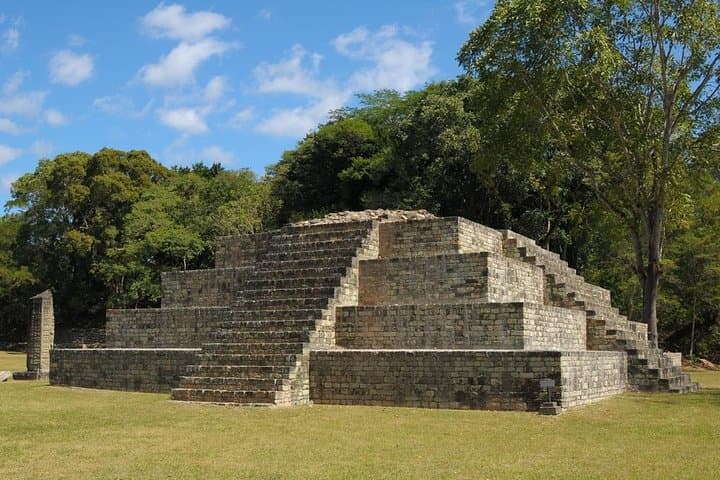
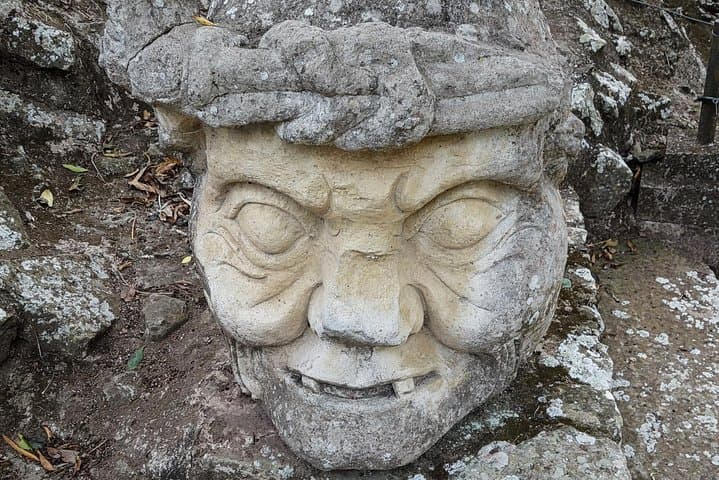
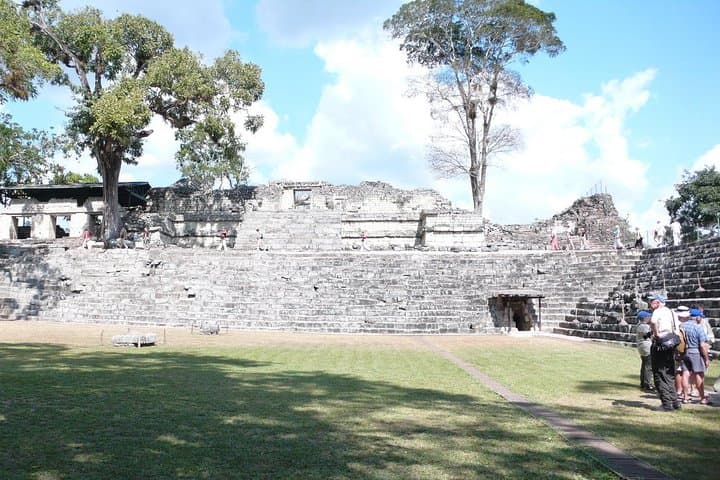
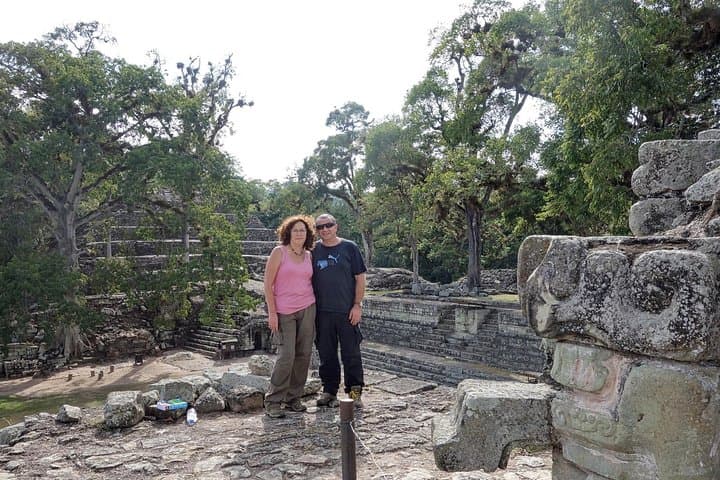
You arrive by road as the morning light slides over low Honduran hills; the bus hums, tires chewing up the last miles toward Copán Ruinas. The stone plazas open before you: stepped temples, carved stelae, and a stairway of glyphs that seem to hold conversation if you stand long enough to listen. On day one the site demands attention—close-up reliefs of rulers, ballcourt corners, and the Rosalila chamber whose restored colors still surprise.
You arrive by road as the morning light slides over low Honduran hills; the bus hums, tires chewing up the last miles toward Copán Ruinas. The stone plazas open before you: stepped temples, carved stelae, and a stairway of glyphs that seem to hold conversation if you stand long enough to listen. On day one the site demands attention—close-up reliefs of rulers, ballcourt corners, and the Rosalila chamber whose restored colors still surprise.
Copán was a major Classic Maya city (5th–9th centuries CE), famed for sculpted stelae and an unusually rich hieroglyphic record. Geology here is limestone-dominated karst, so trails are compacted stone and packed earth that drain quickly in the wet season. Local culture in the town of Copán Ruinas blends Honduran highland rhythms with artisanship—wood carving, ceramics and coffee farms tucked into nearby valleys.
Day two shifts tone: Macaw Mountain Bird Park offers intimate bird encounters in large aviaries and rehabilitation work you can see firsthand. The park’s reintroduction programs aim to push flight again into nearby forest fragments; feedings and keeper talks make the conservation story immediate.
Practical guidance: bring your passport and small USD for the $3 border fee, wear stable walking shoes for uneven stone surfaces, and pack a light rain shell in the wet months. Expect a comfortable overnight hotel near the park and roughly 6–8 hours of active exploring spread over two days. An English- and Spanish-speaking guide handles logistics and border passage, letting you focus on carvings, canopy calls, and the odd scarlet macaw that insists on being noticed.