THE ADVENTURE COLLECTIVE® · Independent discovery and booking for outdoor travel

Cross one of the world’s highest navigable lakes to reach Isla del Sol, an island of Inca origin myths and terraced ruins. This two-day private tour from La Paz pairs Copacabana’s pilgrimage culture with quiet island trails and waterfront views.
Cross one of the world’s highest navigable lakes to reach Isla del Sol, an island of Inca origin myths and terraced ruins. This two-day private tour from La Paz pairs Copacabana’s pilgrimage culture with quiet island trails and waterfront views.
The first morning light on Lake Titicaca slices across a high, cold sky and turns the water into a sheet of hammered silver. You leave La Paz before breakfast, the road peeling away from the city and climbing into puna grasslands where llamas graze and the air thins. By late morning Copacabana appears—whitewashed houses, fishermen unloading nets, and the squat, dark silhouette of the Sanctuary of the Black Virgin pressing against the blue—then you cross the lake by private boat and arrive on Isla del Sol, where stone stairs and Inca terraces sculpt the hillsides.
Verified experiences and guided adventures in the surrounding area.
Operated by SouthTreks · Copacabana, La Paz Department
The first morning light on Lake Titicaca slices across a high, cold sky and turns the water into a sheet of hammered silver. You leave La Paz before breakfast, the road peeling away from the city and climbing into puna grasslands where llamas graze and the air thins. By late morning Copacabana appears—whitewashed houses, fishermen unloading nets, and the squat, dark silhouette of the Sanctuary of the Black Virgin pressing against the blue—then you cross the lake by private boat and arrive on Isla del Sol, where stone stairs and Inca terraces sculpt the hillsides.
This two-day private tour pairs Pilkokaina—an Inca ceremonial complex—with the everyday rhythms of lake life. Isla del Sol claims a central place in Andean origin myths: the gods and the first Incas were born here, according to local tradition. Geologically, Titicaca is a high plateau basin carved by tectonics and ancient glacial action; its thin air and bright sunlight shape everything from population centers to pottery glazes. Culturally, the town of Copacabana grew around the Black Virgin, carved in 1592 by Francisco Tito Yupanqui, and its cathedral remains a magnet for pilgrims and folkloric festivals.
On the island, the trail leads over cobbled lanes and terraced agricultural plots, past low stone walls that once marked sacred precincts. The fountain at Yumani—popularly called the fountain of youth—is a quiet spot where villagers make small offerings. Boats slice the lake into new perspectives; the water seems to test you, urging you to slow down and listen.
Practicalities matter here: the road from La Paz is about 158 km and takes roughly 3–4 hours depending on stops. Boat crossings to Isla del Sol are about 1–1.5 hours. Most walking on the island is short but can include steep stone steps and uneven terrain; expect several kilometers of easy-to-moderate hiking across high-altitude trails. Weather shifts fast—bring layers and plan for strong sun and wind. Hotels on the island are basic but atmospheric; meals lean on trout and Andean staples.
To get the most from two days, pace yourself for altitude, hydrate, and schedule your walks for morning and late afternoon light. Respect archaeological sites—stay on marked paths and buy local crafts to support island communities. With modest effort you’ll trade panoramic ridgelines and ritual plazas for intimate encounters with lake culture and a landscape that still feels alive with history.
moderate.
2 days (approx. 48 hours with guided activities).
Moderate fitness for walking 2–6 km on mixed stone and dirt trails at high altitude; stair climbs require steady knees.
Boat crossings between Copacabana and the southern shore of Isla del Sol take about 1–1.5 hours depending on stops and weather.
Yes—physically it’s easy to moderate, but parents should consider altitude effects and the island’s stairs and uneven trails.
Lunches on both days and dinner on the first night are included; breakfast on day two is provided, and local trout is a common menu item.
Yes—local artisans sell textiles, jewelry, and carved goods; paying fair prices supports the island communities.
Island hotels are comfortable but basic, focused on regional character rather than luxury—expect simple rooms and shared facilities in some cases.
This itinerary includes private transport from La Paz to Copacabana and private boat service for crossings as described in the tour inclusions.
Copacabana’s Black Virgin, carved in 1592 by Francisco Tito Yupanqui, made the town a major colonial pilgrimage site; Isla del Sol preserves pre-Columbian Inca ritual spaces.
Lake Titicaca’s highland wetlands and endemic species are fragile—minimize plastic waste, use local guides, and support community-run lodgings to reduce environmental impact.
SouthTreks operates guided outdoor trips and adventures with an emphasis on safety, stewardship, and memorable experiences.
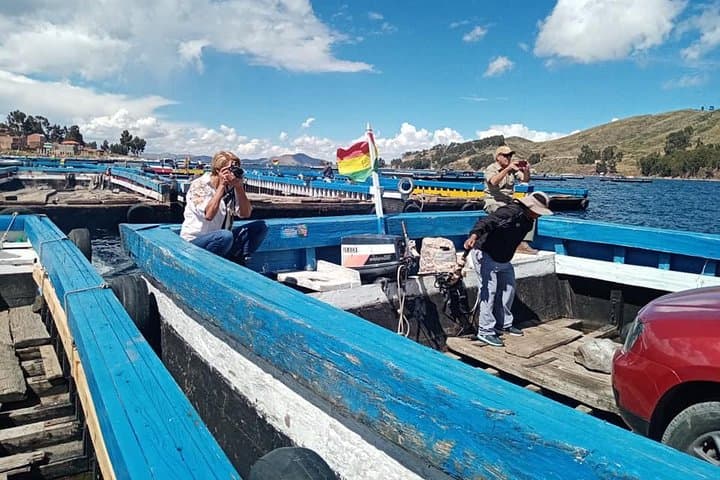
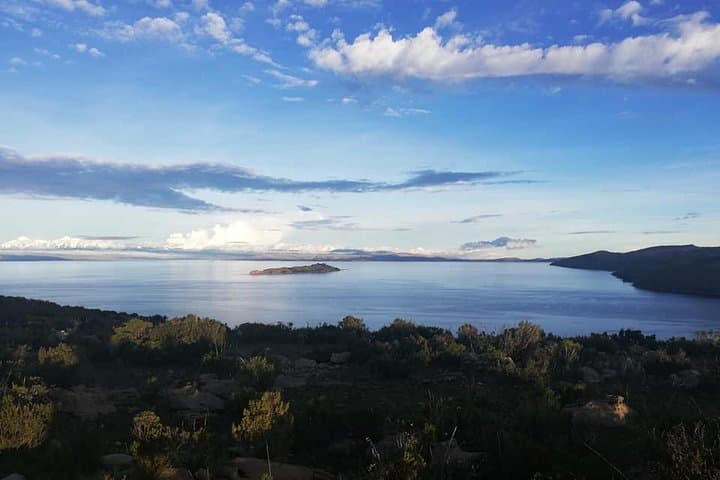
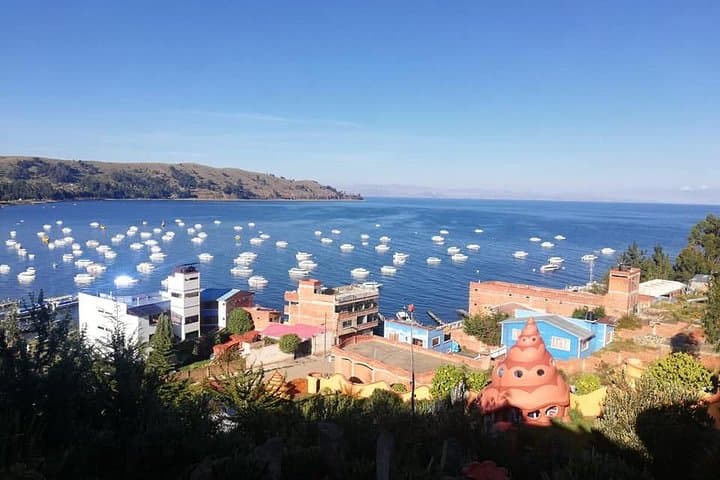
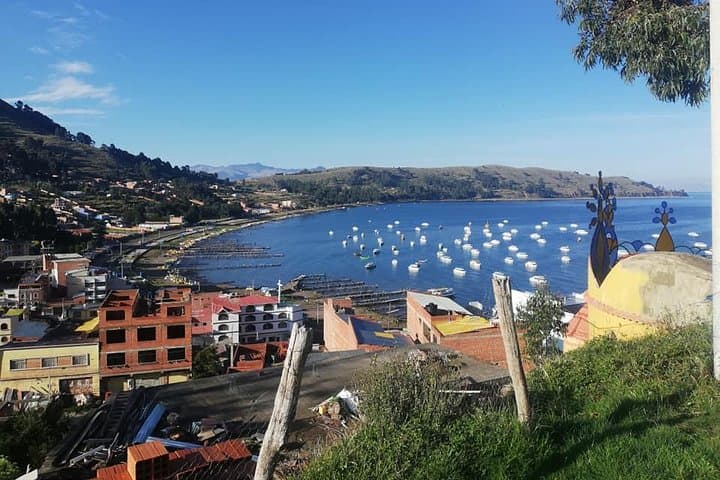
The first morning light on Lake Titicaca slices across a high, cold sky and turns the water into a sheet of hammered silver. You leave La Paz before breakfast, the road peeling away from the city and climbing into puna grasslands where llamas graze and the air thins. By late morning Copacabana appears—whitewashed houses, fishermen unloading nets, and the squat, dark silhouette of the Sanctuary of the Black Virgin pressing against the blue—then you cross the lake by private boat and arrive on Isla del Sol, where stone stairs and Inca terraces sculpt the hillsides.
The first morning light on Lake Titicaca slices across a high, cold sky and turns the water into a sheet of hammered silver. You leave La Paz before breakfast, the road peeling away from the city and climbing into puna grasslands where llamas graze and the air thins. By late morning Copacabana appears—whitewashed houses, fishermen unloading nets, and the squat, dark silhouette of the Sanctuary of the Black Virgin pressing against the blue—then you cross the lake by private boat and arrive on Isla del Sol, where stone stairs and Inca terraces sculpt the hillsides.
This two-day private tour pairs Pilkokaina—an Inca ceremonial complex—with the everyday rhythms of lake life. Isla del Sol claims a central place in Andean origin myths: the gods and the first Incas were born here, according to local tradition. Geologically, Titicaca is a high plateau basin carved by tectonics and ancient glacial action; its thin air and bright sunlight shape everything from population centers to pottery glazes. Culturally, the town of Copacabana grew around the Black Virgin, carved in 1592 by Francisco Tito Yupanqui, and its cathedral remains a magnet for pilgrims and folkloric festivals.
On the island, the trail leads over cobbled lanes and terraced agricultural plots, past low stone walls that once marked sacred precincts. The fountain at Yumani—popularly called the fountain of youth—is a quiet spot where villagers make small offerings. Boats slice the lake into new perspectives; the water seems to test you, urging you to slow down and listen.
Practicalities matter here: the road from La Paz is about 158 km and takes roughly 3–4 hours depending on stops. Boat crossings to Isla del Sol are about 1–1.5 hours. Most walking on the island is short but can include steep stone steps and uneven terrain; expect several kilometers of easy-to-moderate hiking across high-altitude trails. Weather shifts fast—bring layers and plan for strong sun and wind. Hotels on the island are basic but atmospheric; meals lean on trout and Andean staples.
To get the most from two days, pace yourself for altitude, hydrate, and schedule your walks for morning and late afternoon light. Respect archaeological sites—stay on marked paths and buy local crafts to support island communities. With modest effort you’ll trade panoramic ridgelines and ritual plazas for intimate encounters with lake culture and a landscape that still feels alive with history.