THE ADVENTURE COLLECTIVE® · Independent discovery and booking for outdoor travel

Spend a full day in Dak Lak’s Central Highlands learning coffee farming, cooking ethnic dishes, and ending at Dray Nur Waterfall. This small-group experience balances hands-on farming tasks with cultural exchange and a scenic waterfall walk.
Spend a full day in Dak Lak’s Central Highlands learning coffee farming, cooking ethnic dishes, and ending at Dray Nur Waterfall. This small-group experience balances hands-on farming tasks with cultural exchange and a scenic waterfall walk.
You meet in Buon Ma Thuot at first light, then a private taxi threads across rubber and coffee plantations toward Krong Ana. The road opens into a patchwork of family farms; steam rises from kettles as your host’s father pours tea and recounts decades of coffee care. You step into the fields, handle tender coffee seedlings and try the careful motion of transplanting — soil cool under your fingers — before seeing the curious process behind civet (weasel) coffee.
Verified experiences and guided adventures in the surrounding area.
Operated by Brian Vu · Buon Ma Thuot, Dak Lak
You meet in Buon Ma Thuot at first light, then a private taxi threads across rubber and coffee plantations toward Krong Ana. The road opens into a patchwork of family farms; steam rises from kettles as your host’s father pours tea and recounts decades of coffee care. You step into the fields, handle tender coffee seedlings and try the careful motion of transplanting — soil cool under your fingers — before seeing the curious process behind civet (weasel) coffee.
Dak Lak’s Central Highlands are a volcanic plateau where basalt flows and river-cut ravines shape sudden drops like Dray Nur. The falls themselves are a short afternoon walk from the village and deliver a broad, curtain-like descent that has inspired local love stories and seasonal festivals among Ede and M’nong communities.
This is half cultural exchange and half active day: shared cooking over charcoal, learning Com Lam (bamboo rice) and grilled chicken with a local uncle, then a cooling visit to the roar of the waterfall. The itinerary supports small-group, community-based tourism that channels revenue back into family projects.
Practical notes: expect 7–8 hours with several short walks on dirt tracks and farm terraces — minimal elevation gain but uneven footing and some slick rock at the falls. Wear sturdy shoes, bring water, sun protection and insect repellent. Carry small cash for village goods and be ready to follow hosts’ household etiquette. Timing your visit during the dry season (Nov–Apr) gives clearer trails and better photography, while the wet months make the falls most dramatic but slipperier.
moderate.
7–8 hours.
Suitable for travelers comfortable with a full day of light physical activity: short hikes, standing for demonstrations, and simple farm labor.
The tour meets in Buon Ma Thuot and includes a private taxi to Krong Ana; confirm pickup point when booking.
Lunch uses local ingredients; inform the host of allergies or preferences at booking so they can adapt dishes where possible.
Yes—activity is described as physically easy and suitable for most ages, though children should be supervised near the waterfall and during farm work.
Yes—the itinerary often includes a demonstration of local civet coffee practices, but availability can vary by season and farm.
Dak Lak is a cornerstone of Vietnam’s coffee industry; the Central Highlands landscape and many village practices reflect long-standing Ede and M’nong cultural traditions.
Small-group, community-based tours aim to channel income into local projects; visitors should minimize waste, stay on tracks, and follow hosts’ guidance to protect waterways and farmland.
Brian Vu operates guided outdoor trips and adventures with an emphasis on safety, stewardship, and memorable experiences.
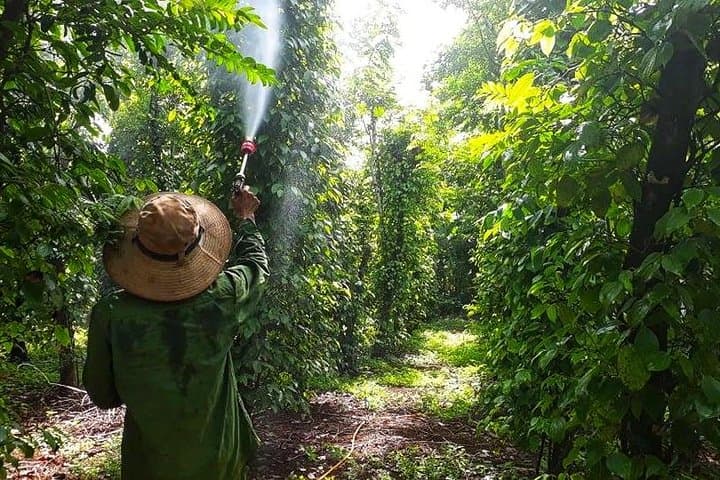
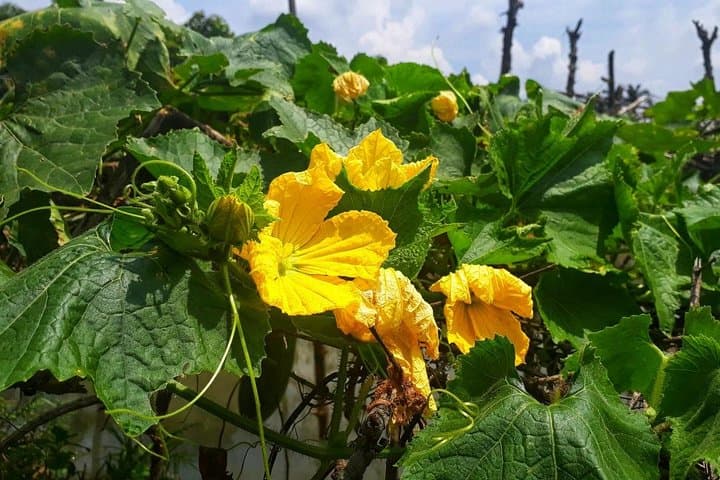
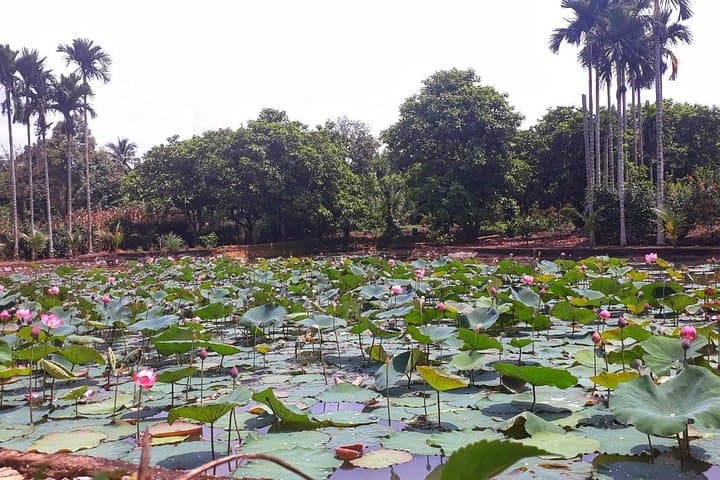
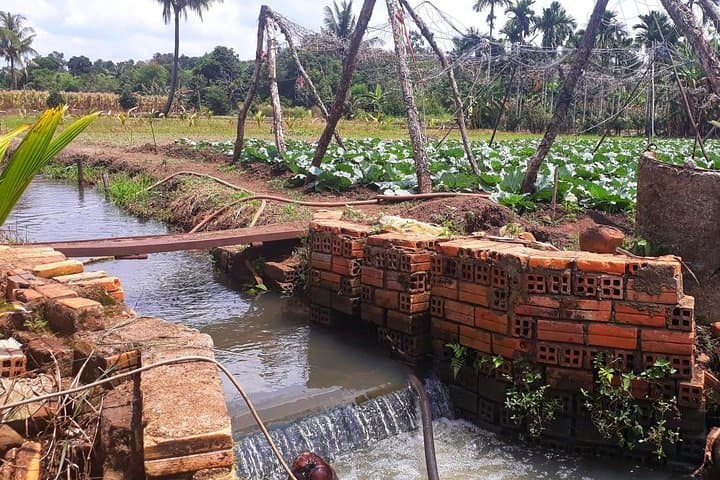
You meet in Buon Ma Thuot at first light, then a private taxi threads across rubber and coffee plantations toward Krong Ana. The road opens into a patchwork of family farms; steam rises from kettles as your host’s father pours tea and recounts decades of coffee care. You step into the fields, handle tender coffee seedlings and try the careful motion of transplanting — soil cool under your fingers — before seeing the curious process behind civet (weasel) coffee.
You meet in Buon Ma Thuot at first light, then a private taxi threads across rubber and coffee plantations toward Krong Ana. The road opens into a patchwork of family farms; steam rises from kettles as your host’s father pours tea and recounts decades of coffee care. You step into the fields, handle tender coffee seedlings and try the careful motion of transplanting — soil cool under your fingers — before seeing the curious process behind civet (weasel) coffee.
Dak Lak’s Central Highlands are a volcanic plateau where basalt flows and river-cut ravines shape sudden drops like Dray Nur. The falls themselves are a short afternoon walk from the village and deliver a broad, curtain-like descent that has inspired local love stories and seasonal festivals among Ede and M’nong communities.
This is half cultural exchange and half active day: shared cooking over charcoal, learning Com Lam (bamboo rice) and grilled chicken with a local uncle, then a cooling visit to the roar of the waterfall. The itinerary supports small-group, community-based tourism that channels revenue back into family projects.
Practical notes: expect 7–8 hours with several short walks on dirt tracks and farm terraces — minimal elevation gain but uneven footing and some slick rock at the falls. Wear sturdy shoes, bring water, sun protection and insect repellent. Carry small cash for village goods and be ready to follow hosts’ household etiquette. Timing your visit during the dry season (Nov–Apr) gives clearer trails and better photography, while the wet months make the falls most dramatic but slipperier.