THE ADVENTURE COLLECTIVE® · Independent discovery and booking for outdoor travel

Learn to make Chillo al Coco (Red Snapper in Coconut Sauce) using ancestral Taíno techniques near Punta Cana. This hands-on class combines fresh, local seafood with cassava and plantains for a practical and flavorful introduction to Dominican coastal cuisine.
Learn to make Chillo al Coco (Red Snapper in Coconut Sauce) using ancestral Taíno techniques near Punta Cana. This hands-on class combines fresh, local seafood with cassava and plantains for a practical and flavorful introduction to Dominican coastal cuisine.
A warm courtyard opens to the smell of coconut smoke and sizzling fish. Guests arrive with sun-warmed shoulders, handed a welcome drink, and step into a hands-on kitchen where pounding mortars and the hiss of hot oil set the tempo. The class moves with practical cadence: cleaning the red snapper, extracting fresh coconut milk, and layering spices in a shallow pan until the sauce thickens.
Verified experiences and guided adventures in the surrounding area.
Operated by CanaGo Tours · Punta Cana, La Altagracia
A warm courtyard opens to the smell of coconut smoke and sizzling fish. Guests arrive with sun-warmed shoulders, handed a welcome drink, and step into a hands-on kitchen where pounding mortars and the hiss of hot oil set the tempo. The class moves with practical cadence: cleaning the red snapper, extracting fresh coconut milk, and layering spices in a shallow pan until the sauce thickens.
The recipe traces to Taíno techniques and colonial exchanges — native cassava and plantain paired with Old World spices and sea-caught fish. Geology and climate play their part: coral-fringed coasts supply the snapper, while limestone soils inland favor the cassava and coconut palms that shade the kitchen. Local culture emerges in small gestures — Mamajuana offered as a digestif, Larimar jewelry in the gift shop, and stories about village fishermen who supply the catch.
Practically, the session lasts about 2.5 hours and accommodates mixed abilities and families. Expect a small-group kitchen workflow, hands-on prep, and a sit-down meal with rice, plantain, and cassava. Wear closed-toe shoes and light clothing; plan for humidity and the occasional cooking spray. The operator offers air-conditioned pickup and accepts mobile tickets; cancel at least 24 hours ahead for a full refund. Bring a camera for the final plated meal and a reusable bag for any artisan purchases. This is a culinary workshop more than a formal cooking school — it’s tactile, social, and rooted in place, ideal for travelers who want a practical, taste-first introduction to Dominican coastal cuisine.
easy.
2–3 hours.
Suitable for most fitness levels; involves standing, light chopping, and some lifting of pots.
Yes; the activity is family-friendly though children should be supervised around hot pans and knives.
Air-conditioned pickup is available — confirm pickup point and time during booking.
Yes; indicate allergies or preferences at booking so the instructor can modify recipes when possible.
The class includes a welcome drink, coconut milk and red snapper preparation, sides (cassava, plantain, rice), a coffee/chocolate/mamajuana tasting, and access to the gift shop.
The cuisine reflects Taíno culinary foundations combined with influences from Spanish colonial trade and African ingredients brought during the colonial era.
Support local guides and fishers who follow seasonal catch practices; choose experiences that source seafood locally to reduce carbon footprint and support coastal communities.
CanaGo Tours operates guided outdoor trips and adventures with an emphasis on safety, stewardship, and memorable experiences.
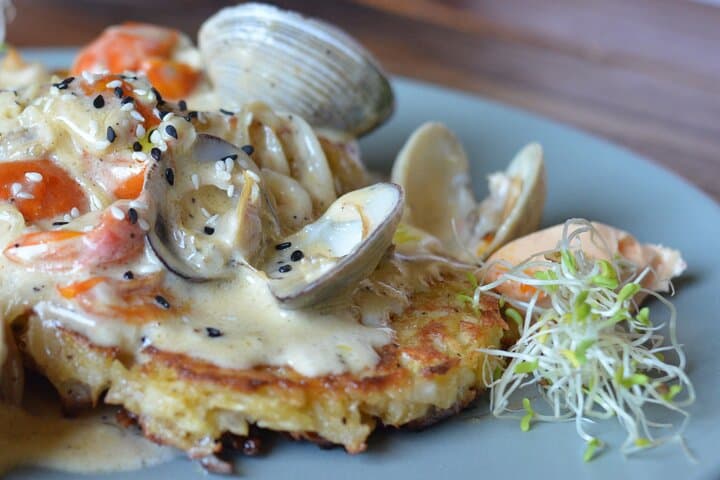
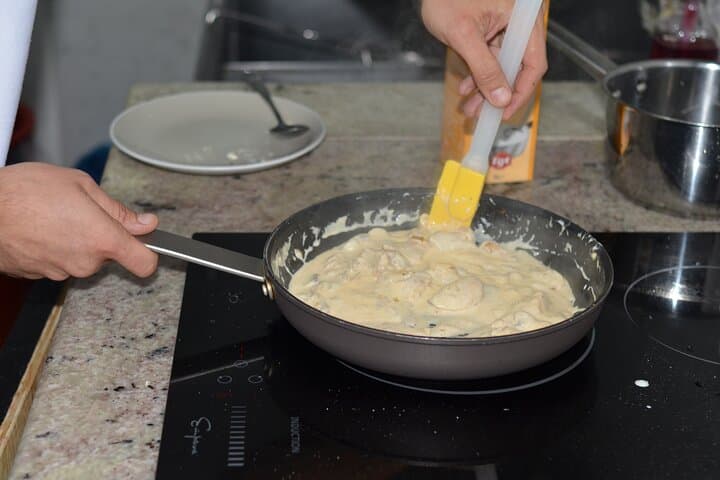
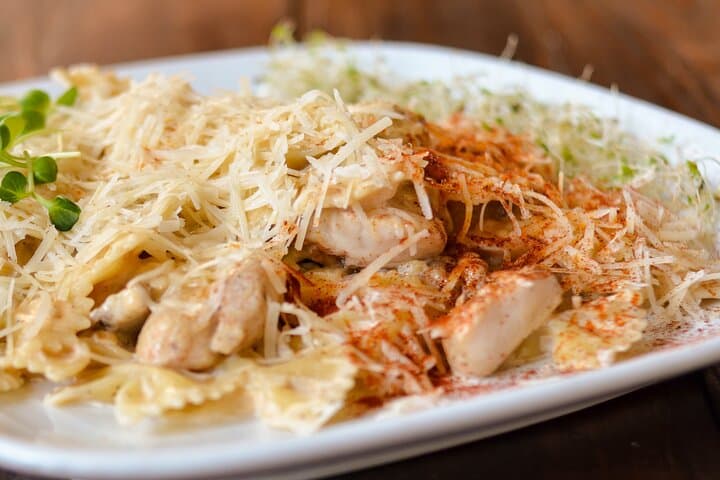
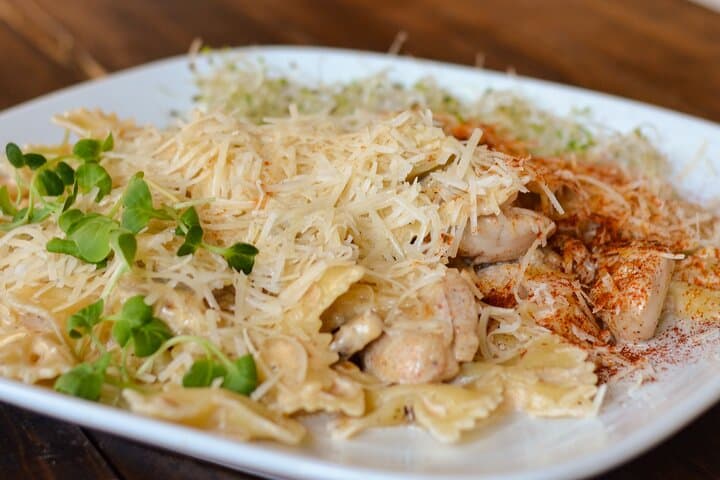
A warm courtyard opens to the smell of coconut smoke and sizzling fish. Guests arrive with sun-warmed shoulders, handed a welcome drink, and step into a hands-on kitchen where pounding mortars and the hiss of hot oil set the tempo. The class moves with practical cadence: cleaning the red snapper, extracting fresh coconut milk, and layering spices in a shallow pan until the sauce thickens.
A warm courtyard opens to the smell of coconut smoke and sizzling fish. Guests arrive with sun-warmed shoulders, handed a welcome drink, and step into a hands-on kitchen where pounding mortars and the hiss of hot oil set the tempo. The class moves with practical cadence: cleaning the red snapper, extracting fresh coconut milk, and layering spices in a shallow pan until the sauce thickens.
The recipe traces to Taíno techniques and colonial exchanges — native cassava and plantain paired with Old World spices and sea-caught fish. Geology and climate play their part: coral-fringed coasts supply the snapper, while limestone soils inland favor the cassava and coconut palms that shade the kitchen. Local culture emerges in small gestures — Mamajuana offered as a digestif, Larimar jewelry in the gift shop, and stories about village fishermen who supply the catch.
Practically, the session lasts about 2.5 hours and accommodates mixed abilities and families. Expect a small-group kitchen workflow, hands-on prep, and a sit-down meal with rice, plantain, and cassava. Wear closed-toe shoes and light clothing; plan for humidity and the occasional cooking spray. The operator offers air-conditioned pickup and accepts mobile tickets; cancel at least 24 hours ahead for a full refund. Bring a camera for the final plated meal and a reusable bag for any artisan purchases. This is a culinary workshop more than a formal cooking school — it’s tactile, social, and rooted in place, ideal for travelers who want a practical, taste-first introduction to Dominican coastal cuisine.