THE ADVENTURE COLLECTIVE® · Independent discovery and booking for outdoor travel

Bake a pizza on volcanic rock at Pacaya—an easily reached, family-friendly half-day trip from Antigua Guatemala. Hike across hardened lava fields, enjoy sweeping volcano views, and cook a pizza and marshmallows using the natural heat of the mountain.
Bake a pizza on volcanic rock at Pacaya—an easily reached, family-friendly half-day trip from Antigua Guatemala. Hike across hardened lava fields, enjoy sweeping volcano views, and cook a pizza and marshmallows using the natural heat of the mountain.
You crest a black field of cooled lava and the air changes—thinner, mineral-scented, alive with a low, volcanic hum. Wind pushes hot pockets of air across the ground; the rocks still hold the sun’s and earth’s heat. At the Cerro Chino viewpoint the panorama opens: Pacaya’s cone and the surrounding valleys, gullies of old flows that look like frozen waves. This is where visitors build a camp of stones and use volcanic heat to bake pizza directly on the rocks.
Verified experiences and guided adventures in the surrounding area.
Operated by Turisteando.net · Antigua Guatemala, Sacatepéquez
You crest a black field of cooled lava and the air changes—thinner, mineral-scented, alive with a low, volcanic hum. Wind pushes hot pockets of air across the ground; the rocks still hold the sun’s and earth’s heat. At the Cerro Chino viewpoint the panorama opens: Pacaya’s cone and the surrounding valleys, gullies of old flows that look like frozen waves. This is where visitors build a camp of stones and use volcanic heat to bake pizza directly on the rocks.
Pacaya is one of Guatemala’s most active volcanoes, with frequent small eruptions since the 1960s that reshaped its lava fields. The hardened flows you walk over are recent geology—basaltic sheets and blocky ʻaʻā—visible evidence of the mountain’s ongoing work. The area’s local guides often come from nearby villages and bring practical knowledge of safe spots to cook and roast marshmallows, and they’ll point out distant Agua and Fuego volcanoes on clear days.
Practically, the experience is a half-day fieldwalk with moderate slopes and uneven, sharp rock underfoot. Expect 90–120 minutes of walking on loose volcanic rock and flat lava fields, punctuated by a hands-on cooking session where ingredients are provided and the guide helps position stones and coals. Wear stiff-soled hiking shoes, bring 1–2 liters of water, layered clothing for wind and sun, and a camera with a protective case (volcanic grit is everywhere). Timing matters: mornings are cooler and clearer; afternoons can bring haze or rain.
This trip is family-friendly but not wheelchair accessible; follow guides’ safety briefings, stay on marked paths, and treat the lava field with respect—it’s fragile landscape shaped by recent eruptions.
moderate.
6 hours.
Moderate fitness; able to walk 2–4 miles on uneven volcanic rock with some short steep sections.
The walk is moderate: mostly uneven, rocky ground over hardened lava with some short climbs; most people complete it without technical equipment.
Yes—ingredients for one large 8-slice pizza per booking and basic utensils are provided; guides help arrange the rocks and coals.
Yes for most children who can walk on uneven terrain; infants must sit on laps and people with serious back or knee problems should avoid the tour.
Morning departures often have clearer skies and cooler temperatures; afternoons can be windier or hazy, and weather can change quickly.
Pacaya’s frequent eruptions since the mid-20th century continuously reshape the lava fields; locals historically used the flows for small-scale grazing and fuel.
Stick to marked routes and avoid trampling fragile pioneer plants on new flows; volcanic soils recover slowly and visitor impact concentrates on a small footprint.
Turisteando.net operates guided outdoor trips and adventures with an emphasis on safety, stewardship, and memorable experiences.
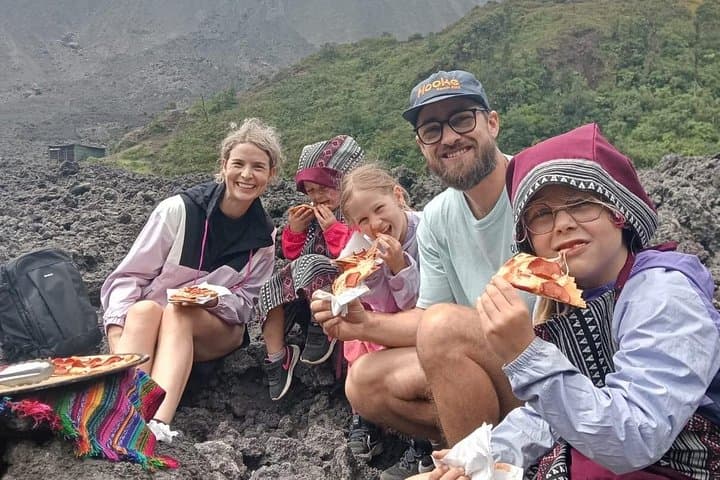
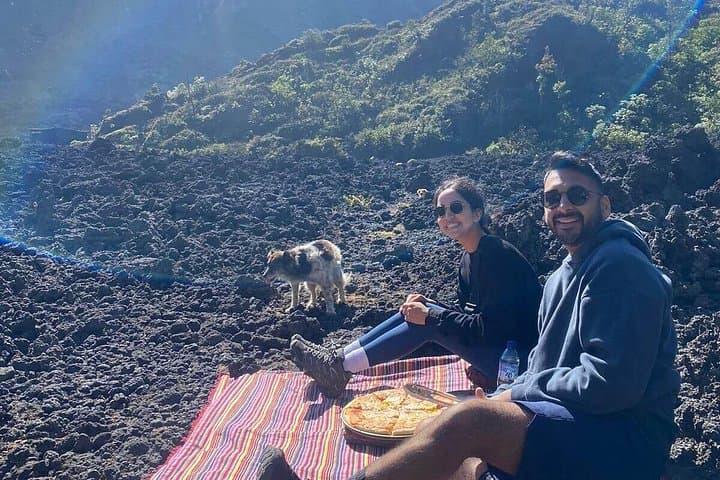
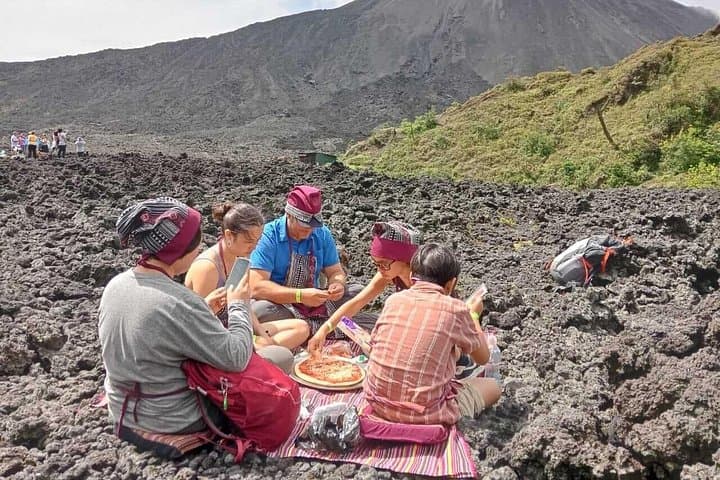
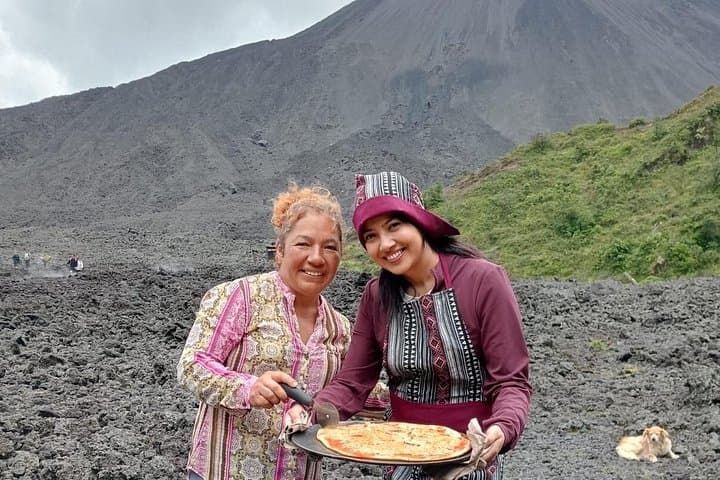
You crest a black field of cooled lava and the air changes—thinner, mineral-scented, alive with a low, volcanic hum. Wind pushes hot pockets of air across the ground; the rocks still hold the sun’s and earth’s heat. At the Cerro Chino viewpoint the panorama opens: Pacaya’s cone and the surrounding valleys, gullies of old flows that look like frozen waves. This is where visitors build a camp of stones and use volcanic heat to bake pizza directly on the rocks.
You crest a black field of cooled lava and the air changes—thinner, mineral-scented, alive with a low, volcanic hum. Wind pushes hot pockets of air across the ground; the rocks still hold the sun’s and earth’s heat. At the Cerro Chino viewpoint the panorama opens: Pacaya’s cone and the surrounding valleys, gullies of old flows that look like frozen waves. This is where visitors build a camp of stones and use volcanic heat to bake pizza directly on the rocks.
Pacaya is one of Guatemala’s most active volcanoes, with frequent small eruptions since the 1960s that reshaped its lava fields. The hardened flows you walk over are recent geology—basaltic sheets and blocky ʻaʻā—visible evidence of the mountain’s ongoing work. The area’s local guides often come from nearby villages and bring practical knowledge of safe spots to cook and roast marshmallows, and they’ll point out distant Agua and Fuego volcanoes on clear days.
Practically, the experience is a half-day fieldwalk with moderate slopes and uneven, sharp rock underfoot. Expect 90–120 minutes of walking on loose volcanic rock and flat lava fields, punctuated by a hands-on cooking session where ingredients are provided and the guide helps position stones and coals. Wear stiff-soled hiking shoes, bring 1–2 liters of water, layered clothing for wind and sun, and a camera with a protective case (volcanic grit is everywhere). Timing matters: mornings are cooler and clearer; afternoons can bring haze or rain.
This trip is family-friendly but not wheelchair accessible; follow guides’ safety briefings, stay on marked paths, and treat the lava field with respect—it’s fragile landscape shaped by recent eruptions.