THE ADVENTURE COLLECTIVE® · Independent discovery and booking for outdoor travel

Spend a day in Banjul's markets and family kitchens learning to cook yassa, benachin and local juices like wonjo. This full-day, hands-on class includes market shopping, traditional dress, and a shared meal with your hosts.
Spend a day in Banjul's markets and family kitchens learning to cook yassa, benachin and local juices like wonjo. This full-day, hands-on class includes market shopping, traditional dress, and a shared meal with your hosts.
You arrive at the market before noon and the city smells of fried fish, fresh onion and warm starch—mandarins and tamarind stacked beside sacks of rice. A guide steers you through narrow alleys where vendors lift woven trays of spices and bouquets of wonjo (sorrel) that stain your fingers a deep red. After a quick change into a traditional outfit, the day becomes hands-on: shopping, prepping, and cooking in a local family's courtyard.
Verified experiences and guided adventures in the surrounding area.
Operated by Black & White Safari · Banjul, Banjul
You arrive at the market before noon and the city smells of fried fish, fresh onion and warm starch—mandarins and tamarind stacked beside sacks of rice. A guide steers you through narrow alleys where vendors lift woven trays of spices and bouquets of wonjo (sorrel) that stain your fingers a deep red. After a quick change into a traditional outfit, the day becomes hands-on: shopping, prepping, and cooking in a local family's courtyard.
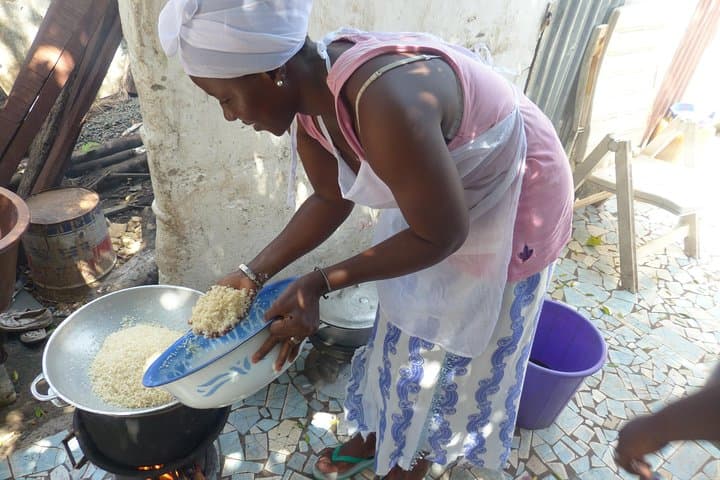
Gambian food reflects the river that gives the country life. The Gambia River, a silver braid inland, supplies fish and shapes menus from coastal Banjul to upriver villages. Dishes like yassa (tangy marinated chicken) and benachin (one-pot rice) show Mandinka, Wolof and colonial-era influences; baobab and sorrel juices speak to local plants and seasonal practices.
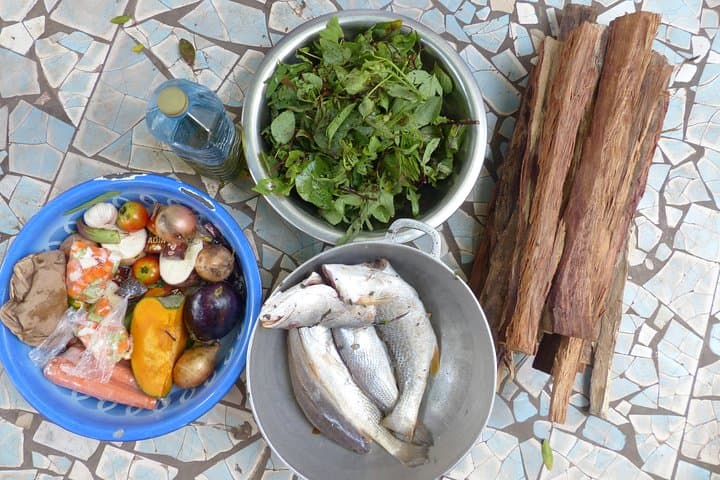
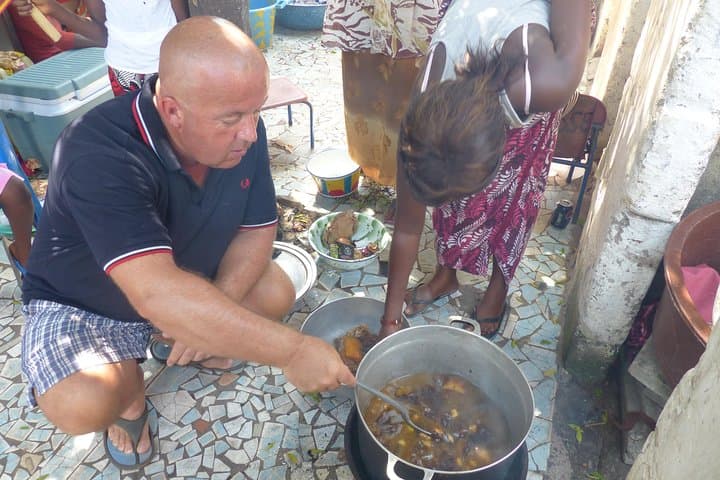
Expect a market tour, guidance on selecting fresh produce and fish, step-by-step instruction on traditional techniques, and a communal meal where everyone eats together. The itinerary usually includes hotel pickup and drop-off, non-alcoholic beverages, and local transport; a minimum of two adults is required.
Practical notes: wear closed-toe shoes for market lanes, bring small bills for incidental purchases, and flag allergies ahead of time. The experience is suitable for most fitness levels and is wheelchair accessible with advance notice. Book early in the dry season to avoid heavy rains, and respect photographers' requests—this is someone’s home.
The day is more than a class; it is a direct line to local life, food knowledge passed across generations and onto your plate.
easy.
6–8 hours.
Suitable for most travelers with normal mobility; includes walking on uneven market surfaces and standing while cooking.
Yes—hotel pickup and drop-off are included; you'll specify pickup point when booking.
Yes—vegetarian options are available and hosts ask to be notified of allergies before shopping for ingredients.
A minimum of two adults per booking is required for this private full-day experience.
The tour notes wheelchair accessibility; contact the operator in advance to confirm arrangements and any assistance needed.
Gambian cuisine blends Mandinka and Wolof culinary traditions with ingredients traded along the Gambia River and influences from Portuguese and British colonial periods.
Support vendors who use sustainably caught fish and avoid single-use plastics; the region's coastal and estuarine habitats are sensitive to overfishing and pollution.
Black & White Safari operates guided outdoor trips and adventures with an emphasis on safety, stewardship, and memorable experiences.
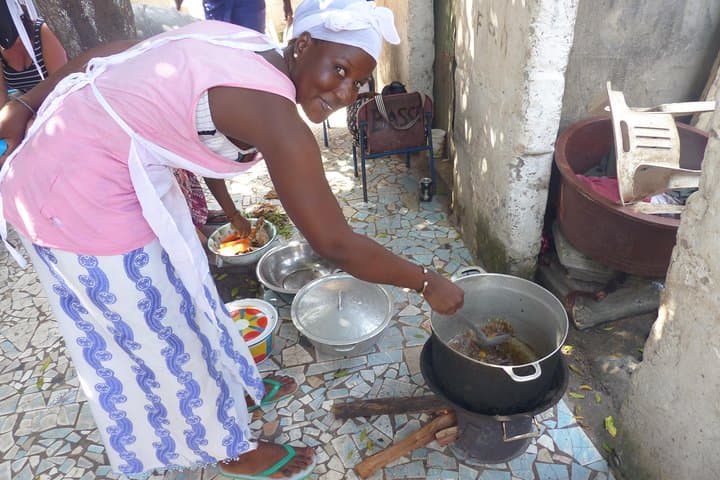
You arrive at the market before noon and the city smells of fried fish, fresh onion and warm starch—mandarins and tamarind stacked beside sacks of rice. A guide steers you through narrow alleys where vendors lift woven trays of spices and bouquets of wonjo (sorrel) that stain your fingers a deep red. After a quick change into a traditional outfit, the day becomes hands-on: shopping, prepping, and cooking in a local family's courtyard.
You arrive at the market before noon and the city smells of fried fish, fresh onion and warm starch—mandarins and tamarind stacked beside sacks of rice. A guide steers you through narrow alleys where vendors lift woven trays of spices and bouquets of wonjo (sorrel) that stain your fingers a deep red. After a quick change into a traditional outfit, the day becomes hands-on: shopping, prepping, and cooking in a local family's courtyard.
Gambian food reflects the river that gives the country life. The Gambia River, a silver braid inland, supplies fish and shapes menus from coastal Banjul to upriver villages. Dishes like yassa (tangy marinated chicken) and benachin (one-pot rice) show Mandinka, Wolof and colonial-era influences; baobab and sorrel juices speak to local plants and seasonal practices.
Expect a market tour, guidance on selecting fresh produce and fish, step-by-step instruction on traditional techniques, and a communal meal where everyone eats together. The itinerary usually includes hotel pickup and drop-off, non-alcoholic beverages, and local transport; a minimum of two adults is required.
Practical notes: wear closed-toe shoes for market lanes, bring small bills for incidental purchases, and flag allergies ahead of time. The experience is suitable for most fitness levels and is wheelchair accessible with advance notice. Book early in the dry season to avoid heavy rains, and respect photographers' requests—this is someone’s home.
The day is more than a class; it is a direct line to local life, food knowledge passed across generations and onto your plate.