THE ADVENTURE COLLECTIVE® · Independent discovery and booking for outdoor travel

Spend a day in a Cretan village learning to make dakos, dolmades and wood‑oven mousaka. This hands‑on class pairs culinary technique with cultural stories about herbs, olives and seasonal cooking.
Spend a day in a Cretan village learning to make dakos, dolmades and wood‑oven mousaka. This hands‑on class pairs culinary technique with cultural stories about herbs, olives and seasonal cooking.
A low stone courtyard opens to the smell of wood smoke and olive oil — a local cook slides a pan across the flame and asks if you like oregano. Sunlight leans over a terrace of potted herbs; the olive trees beyond seem to nod approval. This is a hands-on cooking class staged in a traditional Cretan village, where the act of preparing food is also a way of reading the land.
Verified experiences and guided adventures in the surrounding area.
Operated by CRETE LUXURIOUS TOURS & TRANSFERS · Rethymno, Crete
A low stone courtyard opens to the smell of wood smoke and olive oil — a local cook slides a pan across the flame and asks if you like oregano. Sunlight leans over a terrace of potted herbs; the olive trees beyond seem to nod approval. This is a hands-on cooking class staged in a traditional Cretan village, where the act of preparing food is also a way of reading the land.
Cretan cuisine is rooted in millennia: Minoan trade, Ottoman influences and Venetian recipes folded into peasant ingenuity. The island’s limestone hills and terraced plains shape the diet — drought-hardy herbs, barley rusk and the slow-cooked dishes that fuel shepherds and fisherfolk alike. Locals still celebrate the seasons: spring greens that force their way through the soil and autumn olives pressed into the island’s signature oil.
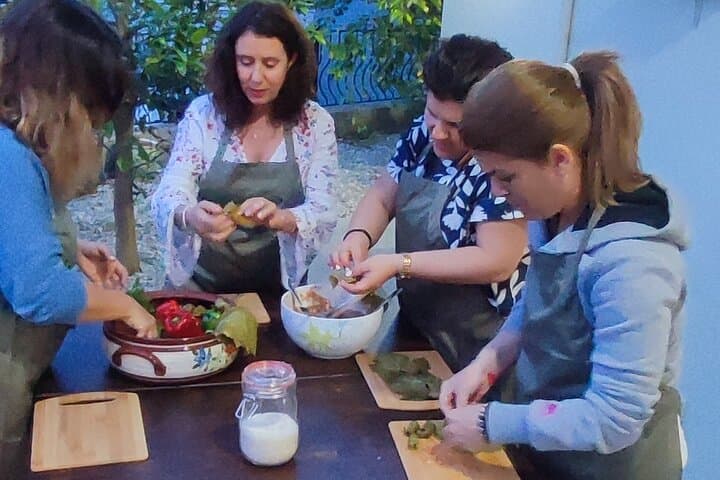
In class you’ll learn practical techniques: make dakos, roll dolmades, fry tigania and roast mousaka in a wood oven. Instructors explain ingredient provenance — how wild greens taste different on north-facing slopes — and offer cultural context for each recipe.
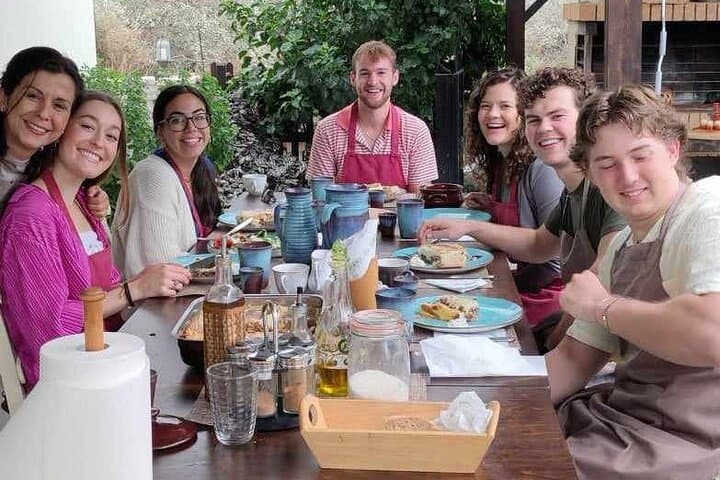
Plan for standing, stirring and tasting. Wear sturdy shoes for uneven village paving and dress in layers if the terrace is breezy. Bring a reusable bottle, take notes or photos of recipes, and tell hosts about allergies before you arrive. Classes usually include lunch and wine; ask about vegetarian options when booking. Transport is often self-arranged, but hosts can help coordinate pickups across Crete. Expect convivial pace, local storytelling, and a full table at the end — food that invites you to eat slowly and take recipes home as proof of a day well spent.
easy.
4–6 hours.
Light — expect standing, light lifting of bowls and short walks on village paths
Classes are hosted in a traditional Cretan village kitchen or terrace; the exact meeting point will be provided after booking and hosts can assist with directions.
Yes — hosts can modify menus for vegetarian guests and accommodate common allergies if informed at booking.
Transportation is not automatically included, but hosts can help arrange pick-ups from major towns across Crete upon request.
Classes are typically taught in English by local cooks; other languages may be available on request but should be confirmed when booking.
Cretan fare carries traces of Minoan agriculture, Venetian trade routes and Ottoman-era spices; many island recipes evolved from peasant techniques to preserve seasonal harvests.
Support local producers by buying olive oil and honey from small farms; classes emphasize seasonal eating and minimizing food waste.
CRETE LUXURIOUS TOURS & TRANSFERS operates guided outdoor trips and adventures with an emphasis on safety, stewardship, and memorable experiences.
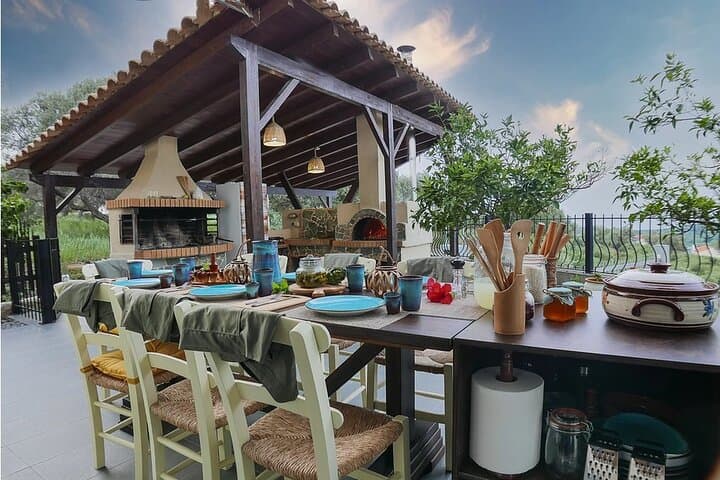
A low stone courtyard opens to the smell of wood smoke and olive oil — a local cook slides a pan across the flame and asks if you like oregano. Sunlight leans over a terrace of potted herbs; the olive trees beyond seem to nod approval. This is a hands-on cooking class staged in a traditional Cretan village, where the act of preparing food is also a way of reading the land.
A low stone courtyard opens to the smell of wood smoke and olive oil — a local cook slides a pan across the flame and asks if you like oregano. Sunlight leans over a terrace of potted herbs; the olive trees beyond seem to nod approval. This is a hands-on cooking class staged in a traditional Cretan village, where the act of preparing food is also a way of reading the land.
Cretan cuisine is rooted in millennia: Minoan trade, Ottoman influences and Venetian recipes folded into peasant ingenuity. The island’s limestone hills and terraced plains shape the diet — drought-hardy herbs, barley rusk and the slow-cooked dishes that fuel shepherds and fisherfolk alike. Locals still celebrate the seasons: spring greens that force their way through the soil and autumn olives pressed into the island’s signature oil.
In class you’ll learn practical techniques: make dakos, roll dolmades, fry tigania and roast mousaka in a wood oven. Instructors explain ingredient provenance — how wild greens taste different on north-facing slopes — and offer cultural context for each recipe.
Plan for standing, stirring and tasting. Wear sturdy shoes for uneven village paving and dress in layers if the terrace is breezy. Bring a reusable bottle, take notes or photos of recipes, and tell hosts about allergies before you arrive. Classes usually include lunch and wine; ask about vegetarian options when booking. Transport is often self-arranged, but hosts can help coordinate pickups across Crete. Expect convivial pace, local storytelling, and a full table at the end — food that invites you to eat slowly and take recipes home as proof of a day well spent.