THE ADVENTURE COLLECTIVE® · Independent discovery and booking for outdoor travel

Spend a day cooking like a local in a traditional Cretan village kitchen—learn to use island olive oil, prepare dakos and moussaka, and share a communal feast. This hands-on class pairs technique with cultural context for an intimate culinary immersion.
Spend a day cooking like a local in a traditional Cretan village kitchen—learn to use island olive oil, prepare dakos and moussaka, and share a communal feast. This hands-on class pairs technique with cultural context for an intimate culinary immersion.
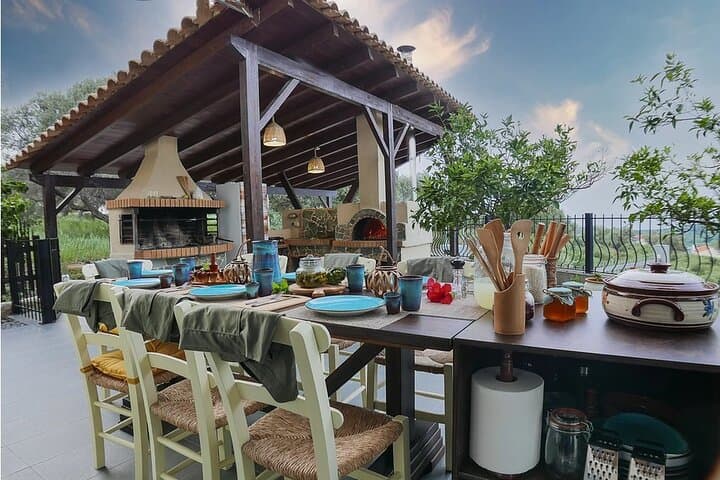
You step into a sun-warmed village kitchen where olive oil glints on a wooden table and the smell of garlic and citrus tugs at your appetite. A local cook hands you a knife and a story: which herb grows best on the ridge, how grandmothers preserved vegetables, why barley rusk still anchors a proper dakos. The room is practical—stone floors, a wood oven, herbs drying from rafters—but the experience feels like a small cultural excavation, one spoonful at a time.
Verified experiences and guided adventures in the surrounding area.
Operated by CRETE LUXURIOUS TOURS & TRANSFERS · Heraklion, Crete
You step into a sun-warmed village kitchen where olive oil glints on a wooden table and the smell of garlic and citrus tugs at your appetite. A local cook hands you a knife and a story: which herb grows best on the ridge, how grandmothers preserved vegetables, why barley rusk still anchors a proper dakos. The room is practical—stone floors, a wood oven, herbs drying from rafters—but the experience feels like a small cultural excavation, one spoonful at a time.
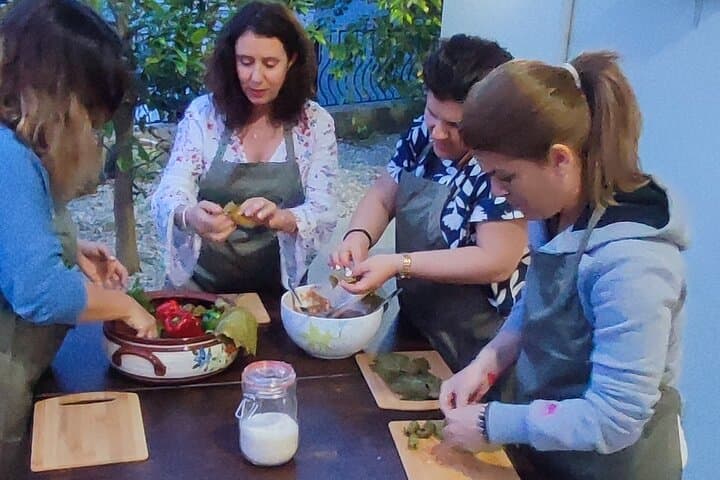
Crete’s food history is shaped by its geology and trade: fertile plains fed by mountain runoff, terraces that coax olives and grapes from thin soils, and centuries of Venetian and Ottoman influence braided into everyday dishes. The Cretan diet prioritizes seasonality and olive oil; expect lessons on technique as much as on provenance. Classes typically cover starters (tzatziki, dakos), mains (moussaka, tigania), dolmades, and a simple dessert using strained yogurt or preserved fruits.
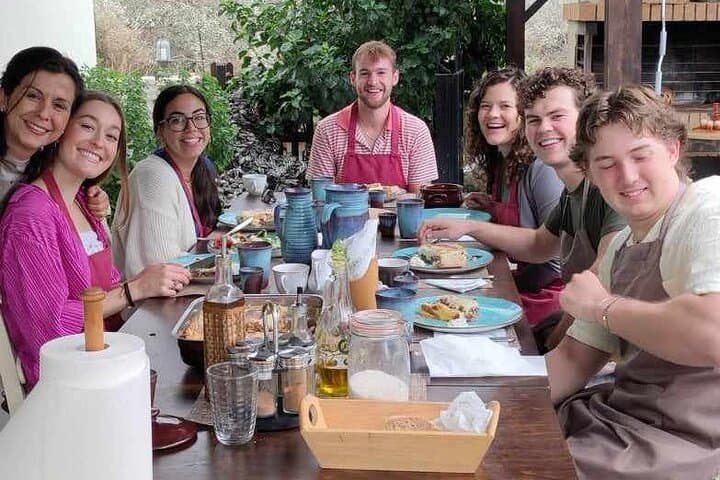
Practically, these lessons run at a relaxed, hands-on pace and suit cooks of all levels. You’ll spend time preparing, cooking in a wood oven or pan, and sharing the meal you helped create—often outdoors if the weather allows. Bring questions about substitutions for dietary preferences; hosts usually adapt menus for vegetarians.
For planning: arrive with closed-toe shoes and a light jacket for courtyard breezes, notify hosts of allergies in advance, and allow 4–6 hours for the full rhythm of prep, cooking, and lingering over food. The payoff is tangible: recipes, new techniques, and a deeper sense of how Cretans live by the land and the table.
easy.
4–6 hours.
Light physical activity—standing, chopping, occasional lifting; suitable for most fitness levels
Yes—most classes can modify the menu for vegetarians if you notify the host when booking.
No—classes are designed for all skill levels and focus on technique and tradition rather than advanced skills.
Some hosts can help arrange transport; check the booking link or contact the operator to organize pickup.
Many classes are taught in English by bilingual hosts; confirm language availability when booking if needed.
Cretan cuisine reflects millennia of exchange—Minoan roots, centuries of Venetian trade, and Ottoman-era influences shaped everyday dishes and preservation techniques.
Look for hosts who emphasize local, seasonal produce and minimize food waste; supporting small village enterprises helps preserve agricultural landscapes.
CRETE LUXURIOUS TOURS & TRANSFERS operates guided outdoor trips and adventures with an emphasis on safety, stewardship, and memorable experiences.
You step into a sun-warmed village kitchen where olive oil glints on a wooden table and the smell of garlic and citrus tugs at your appetite. A local cook hands you a knife and a story: which herb grows best on the ridge, how grandmothers preserved vegetables, why barley rusk still anchors a proper dakos. The room is practical—stone floors, a wood oven, herbs drying from rafters—but the experience feels like a small cultural excavation, one spoonful at a time.
You step into a sun-warmed village kitchen where olive oil glints on a wooden table and the smell of garlic and citrus tugs at your appetite. A local cook hands you a knife and a story: which herb grows best on the ridge, how grandmothers preserved vegetables, why barley rusk still anchors a proper dakos. The room is practical—stone floors, a wood oven, herbs drying from rafters—but the experience feels like a small cultural excavation, one spoonful at a time.
Crete’s food history is shaped by its geology and trade: fertile plains fed by mountain runoff, terraces that coax olives and grapes from thin soils, and centuries of Venetian and Ottoman influence braided into everyday dishes. The Cretan diet prioritizes seasonality and olive oil; expect lessons on technique as much as on provenance. Classes typically cover starters (tzatziki, dakos), mains (moussaka, tigania), dolmades, and a simple dessert using strained yogurt or preserved fruits.
Practically, these lessons run at a relaxed, hands-on pace and suit cooks of all levels. You’ll spend time preparing, cooking in a wood oven or pan, and sharing the meal you helped create—often outdoors if the weather allows. Bring questions about substitutions for dietary preferences; hosts usually adapt menus for vegetarians.
For planning: arrive with closed-toe shoes and a light jacket for courtyard breezes, notify hosts of allergies in advance, and allow 4–6 hours for the full rhythm of prep, cooking, and lingering over food. The payoff is tangible: recipes, new techniques, and a deeper sense of how Cretans live by the land and the table.