THE ADVENTURE COLLECTIVE® · Independent discovery and booking for outdoor travel

Learn to cook Maryland flavors in a private 3-hour lesson with Karen, a registered dietitian and experienced culinary instructor. Hands-on baking or cooking options highlight Chesapeake seafood, seasonal produce, and approachable techniques with a paired beverage and shared meal.
Learn to cook Maryland flavors in a private 3-hour lesson with Karen, a registered dietitian and experienced culinary instructor. Hands-on baking or cooking options highlight Chesapeake seafood, seasonal produce, and approachable techniques with a paired beverage and shared meal.
The kitchen lights are warm, a cast-iron skillet hissing on the stove as Karen slides a platter of finished plates toward the table. You step into a compact Annapolis rowhouse kitchen where spice jars and well-worn utensils map a life in food; the room hums with practical instruction more than performance. This private 3-hour lesson pairs hands-on technique with conversation about Maryland’s coastal pantry—soft crabs, rockfish, and seasonal produce that lean sweet or briny depending on the month.
Verified experiences and guided adventures in the surrounding area.
Operated by Traveling Spoon · Annapolis, Maryland
The kitchen lights are warm, a cast-iron skillet hissing on the stove as Karen slides a platter of finished plates toward the table. You step into a compact Annapolis rowhouse kitchen where spice jars and well-worn utensils map a life in food; the room hums with practical instruction more than performance. This private 3-hour lesson pairs hands-on technique with conversation about Maryland’s coastal pantry—soft crabs, rockfish, and seasonal produce that lean sweet or briny depending on the month.
Annapolis sits on the Chesapeake’s edge and its culinary history centers on the bay’s harvest and colonial-era trade. Karen, a registered dietitian and experienced instructor, mixes regional recipes with global touches—Pacific Rim marinades, Kiwi-style pavlova—so students learn both tradition and adaptable technique. Expect clear demonstrations on doughs, simple sauce-building, and plating; if you choose baking, prepare to work with lean and enriched doughs and a thin-crust pizza.
Culturally, the class is conversational: local sourcing, sustainable seafood, and nutrition are as much on the menu as flavor. Practical tips come toward the end—how to scale recipes, store leftovers, and finish a dish with a local ingredient like Old Bay or rockfish.
For planning: arrive hungry, wear closed-toe shoes, and tell Karen about allergies ahead of time. The session includes a paired beverage and dessert; you’ll sit at the host table to eat what you prepared. It’s an urban, low-impact culinary immersion ideal for food-curious travelers who want technique, local context, and a decent meal to take home.
easy.
3 hours.
Low — participants should be able to stand and move around a kitchen for up to three hours.
Yes — Karen can adjust menus for vegetarian, vegan, gluten-free, and common allergies if advised at booking.
There are two options: a hands-on baking class or a cooking demonstration with some participant assistance; check your booking choice.
A paired alcoholic beverage (wine or beer) or nonalcoholic option is included, plus tea or coffee with dessert.
Full refunds are available if you cancel at least 24 hours before the start time; after that, bookings are non-refundable.
Annapolis has long been tied to Chesapeake Bay fisheries and colonial-era trade; local recipes reflect seafood, corn, and preserved produce from that history.
The Chesapeake Bay’s restoration shapes local sourcing—chefs increasingly prioritize certified sustainable seafood and seasonally abundant produce to reduce pressure on the estuary.
Traveling Spoon operates guided outdoor trips and adventures with an emphasis on safety, stewardship, and memorable experiences.
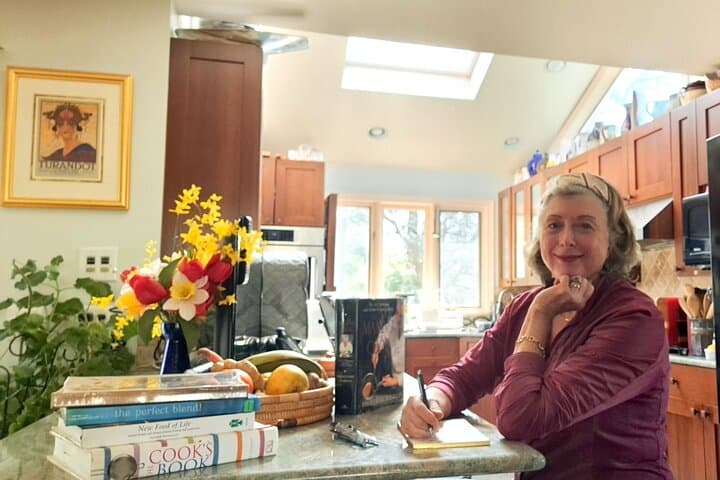
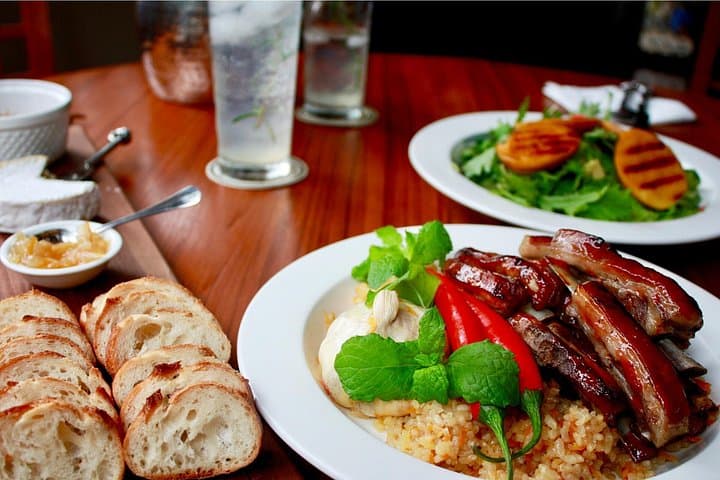
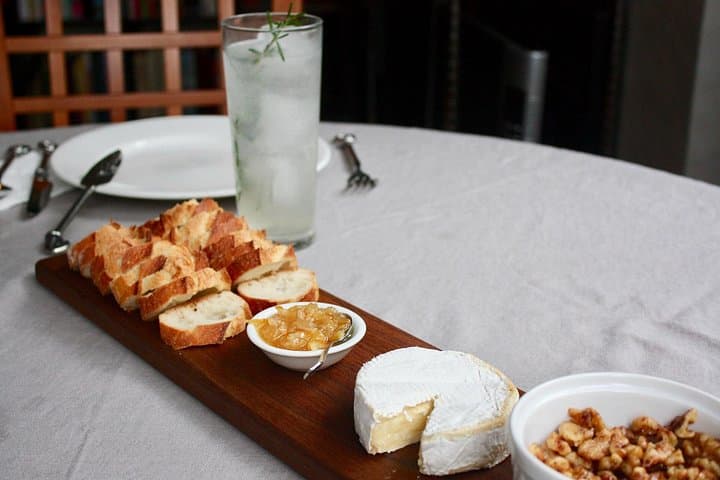
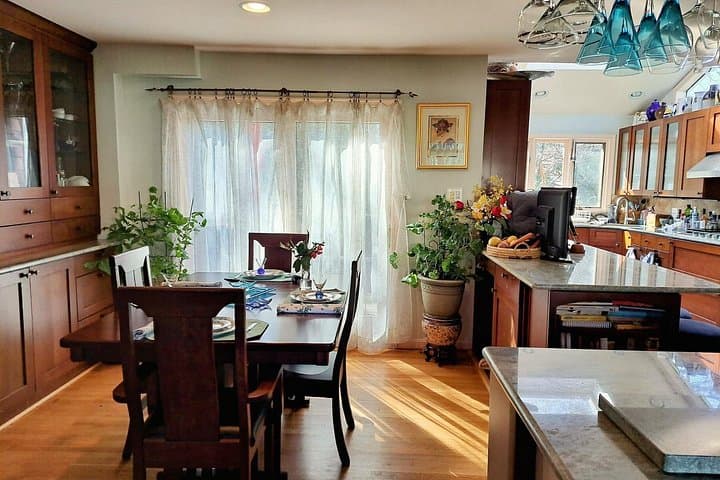
The kitchen lights are warm, a cast-iron skillet hissing on the stove as Karen slides a platter of finished plates toward the table. You step into a compact Annapolis rowhouse kitchen where spice jars and well-worn utensils map a life in food; the room hums with practical instruction more than performance. This private 3-hour lesson pairs hands-on technique with conversation about Maryland’s coastal pantry—soft crabs, rockfish, and seasonal produce that lean sweet or briny depending on the month.
The kitchen lights are warm, a cast-iron skillet hissing on the stove as Karen slides a platter of finished plates toward the table. You step into a compact Annapolis rowhouse kitchen where spice jars and well-worn utensils map a life in food; the room hums with practical instruction more than performance. This private 3-hour lesson pairs hands-on technique with conversation about Maryland’s coastal pantry—soft crabs, rockfish, and seasonal produce that lean sweet or briny depending on the month.
Annapolis sits on the Chesapeake’s edge and its culinary history centers on the bay’s harvest and colonial-era trade. Karen, a registered dietitian and experienced instructor, mixes regional recipes with global touches—Pacific Rim marinades, Kiwi-style pavlova—so students learn both tradition and adaptable technique. Expect clear demonstrations on doughs, simple sauce-building, and plating; if you choose baking, prepare to work with lean and enriched doughs and a thin-crust pizza.
Culturally, the class is conversational: local sourcing, sustainable seafood, and nutrition are as much on the menu as flavor. Practical tips come toward the end—how to scale recipes, store leftovers, and finish a dish with a local ingredient like Old Bay or rockfish.
For planning: arrive hungry, wear closed-toe shoes, and tell Karen about allergies ahead of time. The session includes a paired beverage and dessert; you’ll sit at the host table to eat what you prepared. It’s an urban, low-impact culinary immersion ideal for food-curious travelers who want technique, local context, and a decent meal to take home.