THE ADVENTURE COLLECTIVE® · Independent discovery and booking for outdoor travel

Spend 4.5 hours cooking traditional Czech dishes in a 400‑year‑old Prague atelier. Hands‑on lessons cover soup, a main with bread dumplings, and dessert—plus pickles and marmalades—led by hosts who explain technique and tradition.
Spend 4.5 hours cooking traditional Czech dishes in a 400‑year‑old Prague atelier. Hands‑on lessons cover soup, a main with bread dumplings, and dessert—plus pickles and marmalades—led by hosts who explain technique and tradition.
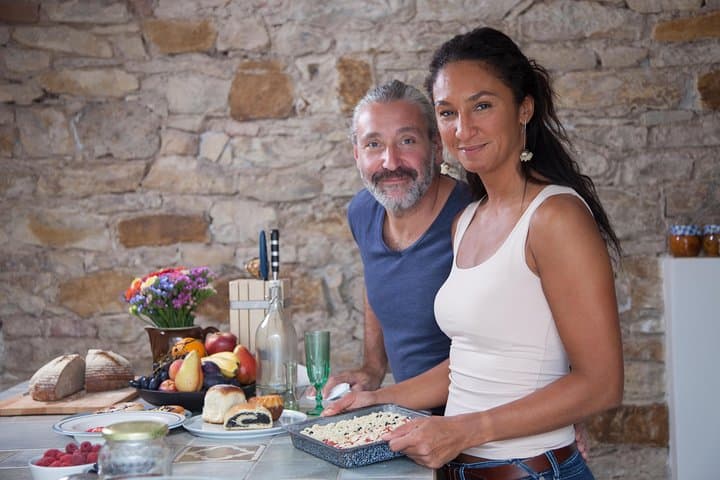
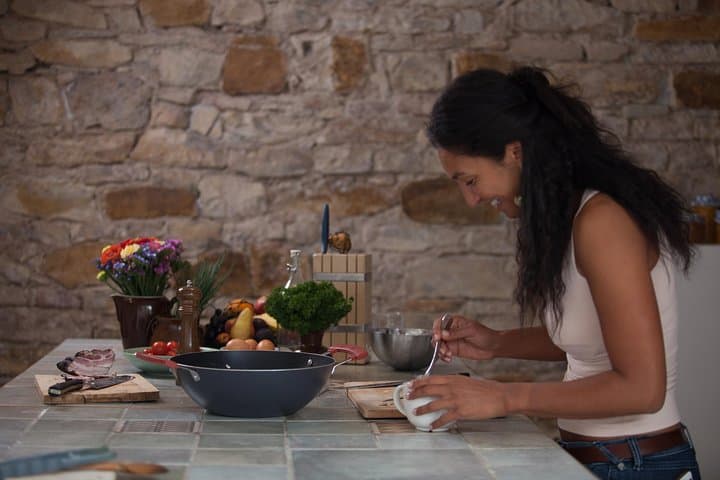
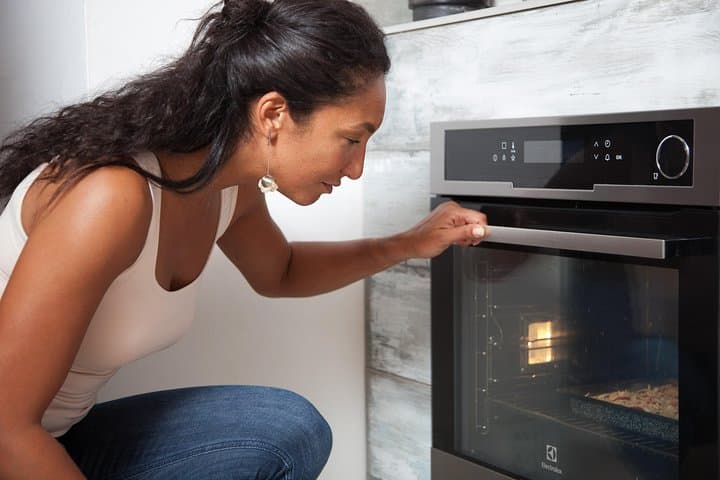
You step through a low stone doorway into a timbered atelier where steam and the smell of caraway announce something honest is cooking. Sunlight from a tall window falls across a wooden table as Aida or Bret explains a recipe that has moved from kitchen table to classroom for guests who want to learn how Prague tastes.
Verified experiences and guided adventures in the surrounding area.
Operated by Good Mood Food · Prague, Prague
You step through a low stone doorway into a timbered atelier where steam and the smell of caraway announce something honest is cooking. Sunlight from a tall window falls across a wooden table as Aida or Bret explains a recipe that has moved from kitchen table to classroom for guests who want to learn how Prague tastes.
Czech cuisine grew from peasant techniques, Austro-Hungarian trade, and seasonal markets; expect hearty broths, bread dumplings and poppy-seed sweets that reflect centuries of kitchen practicality. The atelier sits in a 400‑year‑old building—stones that once saw horse traffic now witness simmering pots and shared stories. Local markets like Naplavka shape the menus: root vegetables in winter, garden herbs in summer. The class is as much cultural primer as cooking lesson—recipes, pickles, and marmalades handed down and explained alongside table manners and holiday customs.
Practical guidance: this is a hands-on, 4.5‑hour workshop where you’ll prepare a starter, main with a classic side (think bread dumplings), and dessert. Expect standing, chopping, and tasting; water, tea, coffee and wine are included. Wear closed-toe shoes and clothes you can move in; bring dietary notes in advance. The hosts use basic home equipment so recipes are easy to replicate when you return home.
Timing matters: morning market trips inform seasonal menus; late‑afternoon classes pair well with an evening walk along the Vltava. The experience is ideal for travelers who like tactile learning, local conversation, and a well-earned plate at the end of class.
easy.
4–5 hours.
Able to stand, chop, and move around a kitchen for several hours; light stamina required
Yes—hosts can modify many dishes (for example, offering vegan Prejt) if you note dietary needs at booking.
The workshop is conducted in English; hosts are experienced teaching international guests.
Instruction, ingredients, water, tea, coffee, wine, and tastings are included; any additional drinks or transport are extra.
Full refund if cancelled at least 24 hours before the scheduled start; last‑minute cancellations are not refundable.
Czech home cooking blends peasant techniques with Austro‑Hungarian influences; many recipes taught here trace to household methods handed down through family kitchens.
Hosts prioritize local, seasonal produce and low‑waste practices like preserved vegetables; bring reusable containers to reduce single‑use waste.
Good Mood Food operates guided outdoor trips and adventures with an emphasis on safety, stewardship, and memorable experiences.

You step through a low stone doorway into a timbered atelier where steam and the smell of caraway announce something honest is cooking. Sunlight from a tall window falls across a wooden table as Aida or Bret explains a recipe that has moved from kitchen table to classroom for guests who want to learn how Prague tastes.
You step through a low stone doorway into a timbered atelier where steam and the smell of caraway announce something honest is cooking. Sunlight from a tall window falls across a wooden table as Aida or Bret explains a recipe that has moved from kitchen table to classroom for guests who want to learn how Prague tastes.
Czech cuisine grew from peasant techniques, Austro-Hungarian trade, and seasonal markets; expect hearty broths, bread dumplings and poppy-seed sweets that reflect centuries of kitchen practicality. The atelier sits in a 400‑year‑old building—stones that once saw horse traffic now witness simmering pots and shared stories. Local markets like Naplavka shape the menus: root vegetables in winter, garden herbs in summer. The class is as much cultural primer as cooking lesson—recipes, pickles, and marmalades handed down and explained alongside table manners and holiday customs.
Practical guidance: this is a hands-on, 4.5‑hour workshop where you’ll prepare a starter, main with a classic side (think bread dumplings), and dessert. Expect standing, chopping, and tasting; water, tea, coffee and wine are included. Wear closed-toe shoes and clothes you can move in; bring dietary notes in advance. The hosts use basic home equipment so recipes are easy to replicate when you return home.
Timing matters: morning market trips inform seasonal menus; late‑afternoon classes pair well with an evening walk along the Vltava. The experience is ideal for travelers who like tactile learning, local conversation, and a well-earned plate at the end of class.