THE ADVENTURE COLLECTIVE® · Independent discovery and booking for outdoor travel

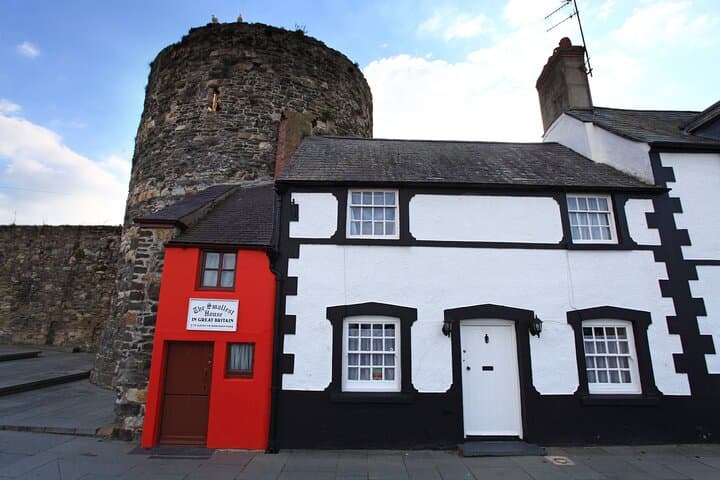
Walk Conwy’s medieval streets while sampling local chocolates, wine and freshly harvested mussels on this private two-hour tour. You’ll touch history at Conwy Castle and finish with a photo at the Smallest House in Britain.
Walk Conwy’s medieval streets while sampling local chocolates, wine and freshly harvested mussels on this private two-hour tour. You’ll touch history at Conwy Castle and finish with a photo at the Smallest House in Britain.
The morning light falls across Conwy’s grey stone walls and the castle’s towers cut a clean silhouette against the estuary. You meet at the Tourist Information Centre, then step into streets that still hold the cadence of medieval boots and market cries. Salt from the harbour pushes inland, and the day’s first aromas—fresh mussels, baking chocolate, polished oak casks—begin to map the town’s story.
Verified experiences and guided adventures in the surrounding area.
Operated by Wales Opatrip.com · Conwy, Wales
The morning light falls across Conwy’s grey stone walls and the castle’s towers cut a clean silhouette against the estuary. You meet at the Tourist Information Centre, then step into streets that still hold the cadence of medieval boots and market cries. Salt from the harbour pushes inland, and the day’s first aromas—fresh mussels, baking chocolate, polished oak casks—begin to map the town’s story.
Conwy’s castle, raised by Edward I after the Norman period, anchors the town’s history; its narrow lanes and merchant houses speak to centuries of trade and craft. Geology here is blunt and honest: volcanic and sedimentary rocks sculpt the headland and create the sheltered quays where mussel beds thrive. Culturally, Conwy balances working harbor life with a small but vibrant artisan food scene—chocolatiers, cheese-makers and an award-winning wine shop sit side by side with fishermen’s stalls.
On this private two-hour stroll expect short, flat walks on cobble and pavement, hands-on tastings, and stories about harvesting methods that shaped local livelihoods. You won’t need specialist gear, but comfortable walking shoes and a light layer help; bring room in your bag for a chosen bottle and chocolates that won’t fit in a pocket.
Practical tips: plan your visit outside high tide if you want harbor views uninterrupted by boats, budget time for purchases, and ask your guide about seasonal mussel yields. The route is compact and accessible, ideal for travelers who want history told through flavor and place rather than plaques—Conwy will test your appetite and reward your curiosity.
easy.
2 hours.
Light walking ability; suitable for most fitness levels though some standing and short pavement walks are required
Yes—tastings are included and typically feature chocolates, a selected bottle of wine or beer, and a small cheese basket as described in the inclusions.
No—the tour stops at the castle for narration and exterior exploration; admission is not included and can be arranged separately if you wish to enter.
The tour is generally on flat pavements but includes cobbles and narrow lanes; accessibility may be limited—contact the operator to discuss specific needs.
You meet at Conwy Tourist Information Centre and the tour concludes at the Smallest House in Britain on the quay for photo opportunities.
Conwy was fortified in the late 13th century during Edward I’s conquest; its walls and medieval street plan remain among the best-preserved in Britain.
The Conwy estuary supports important mussel beds and birdlife—support local producers who follow sustainable harvesting practices and stick to marked paths to protect fragile shore habitats.
Wales Opatrip.com operates guided outdoor trips and adventures with an emphasis on safety, stewardship, and memorable experiences.
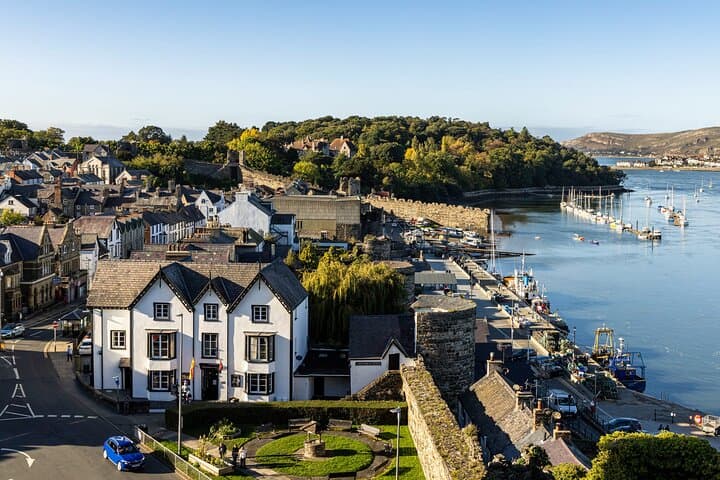


The morning light falls across Conwy’s grey stone walls and the castle’s towers cut a clean silhouette against the estuary. You meet at the Tourist Information Centre, then step into streets that still hold the cadence of medieval boots and market cries. Salt from the harbour pushes inland, and the day’s first aromas—fresh mussels, baking chocolate, polished oak casks—begin to map the town’s story.
The morning light falls across Conwy’s grey stone walls and the castle’s towers cut a clean silhouette against the estuary. You meet at the Tourist Information Centre, then step into streets that still hold the cadence of medieval boots and market cries. Salt from the harbour pushes inland, and the day’s first aromas—fresh mussels, baking chocolate, polished oak casks—begin to map the town’s story.
Conwy’s castle, raised by Edward I after the Norman period, anchors the town’s history; its narrow lanes and merchant houses speak to centuries of trade and craft. Geology here is blunt and honest: volcanic and sedimentary rocks sculpt the headland and create the sheltered quays where mussel beds thrive. Culturally, Conwy balances working harbor life with a small but vibrant artisan food scene—chocolatiers, cheese-makers and an award-winning wine shop sit side by side with fishermen’s stalls.
On this private two-hour stroll expect short, flat walks on cobble and pavement, hands-on tastings, and stories about harvesting methods that shaped local livelihoods. You won’t need specialist gear, but comfortable walking shoes and a light layer help; bring room in your bag for a chosen bottle and chocolates that won’t fit in a pocket.
Practical tips: plan your visit outside high tide if you want harbor views uninterrupted by boats, budget time for purchases, and ask your guide about seasonal mussel yields. The route is compact and accessible, ideal for travelers who want history told through flavor and place rather than plaques—Conwy will test your appetite and reward your curiosity.