THE ADVENTURE COLLECTIVE® · Independent discovery and booking for outdoor travel

Walk Conwy’s fortified walls and medieval streets with an official guide. This 95-minute tour mixes castle towers, local lore, and harbor views—ideal for history-minded travelers who prefer a compact, informative outing.
Walk Conwy’s fortified walls and medieval streets with an official guide. This 95-minute tour mixes castle towers, local lore, and harbor views—ideal for history-minded travelers who prefer a compact, informative outing.
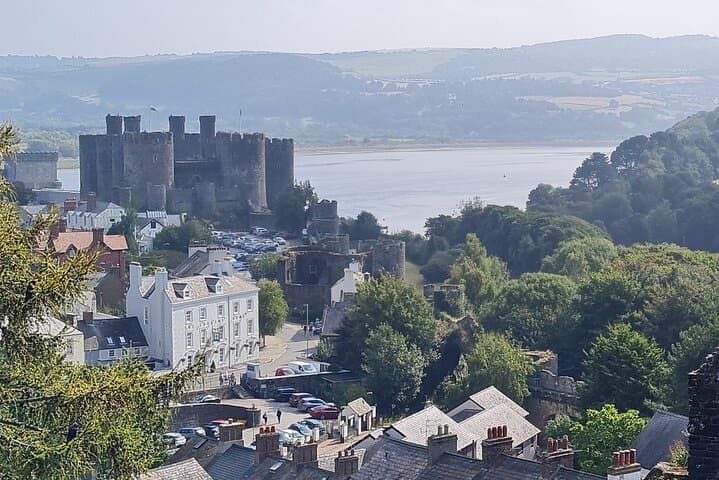
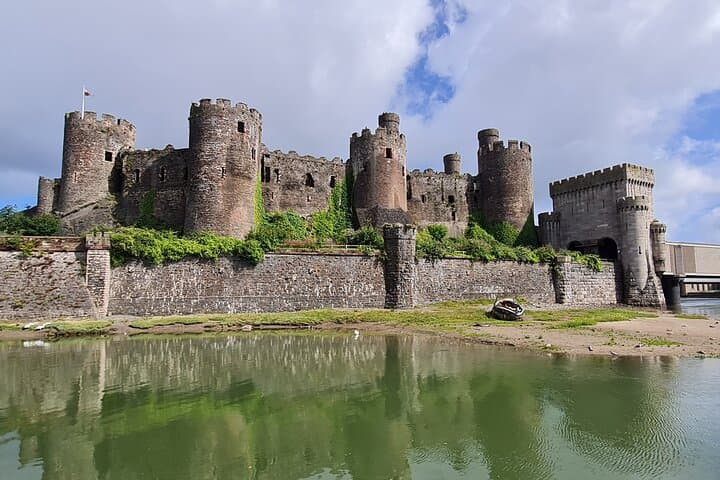
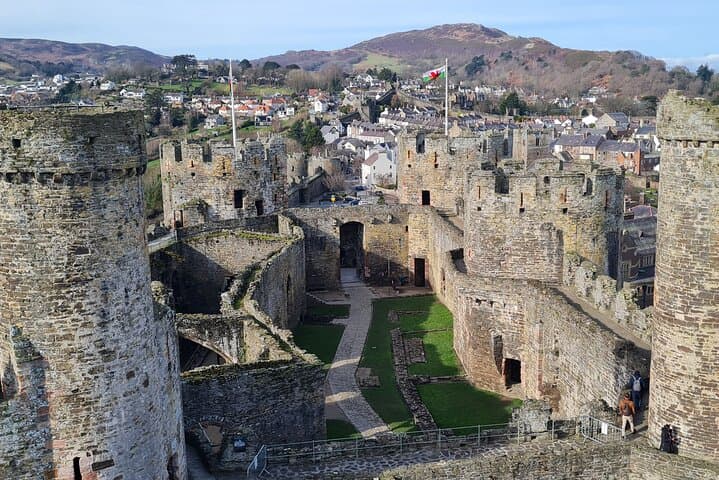
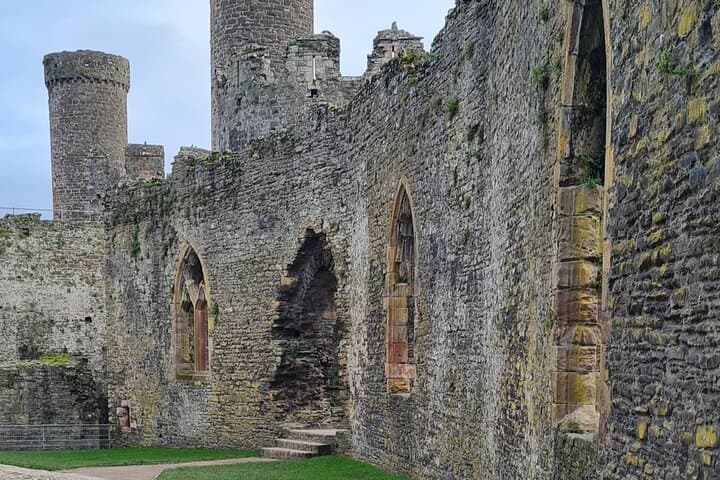
A brisk sea wind cuts across the quay as you stand beneath the grey stone of Conwy Castle, the town’s vertical history daring you to climb. On a 95-minute guided walk you move from the castle’s towers to the narrow medieval lanes, the guide pausing at arrow-slit windows and the smallest house in Britain to point out details that time has matteed into character.
Verified experiences and guided adventures in the surrounding area.
Operated by Conwy Guided Tours · Conwy, Wales
A brisk sea wind cuts across the quay as you stand beneath the grey stone of Conwy Castle, the town’s vertical history daring you to climb. On a 95-minute guided walk you move from the castle’s towers to the narrow medieval lanes, the guide pausing at arrow-slit windows and the smallest house in Britain to point out details that time has matteed into character.
Conwy’s castle dates to the late 13th century, raised during Edward I’s campaign to control North Wales; its walls and towers still show military logic alongside domestic chambers. The town grew around the fortifications and later absorbed Victorian engineering—Telford’s suspension bridge and the 19th-century Conwy Railway Bridge both come into view from the castle’s east barbican. Beneath the stone, the local geology is Ordovician and Silurian bedrock, and the river estuary has long shaped trade, fishing, and the mussel beds that sustain the quay’s working harbor.
Culturally, Conwy balances daily life—independent shops, a busy fish quay—with its UNESCO World Heritage status. A knowledgeable guide will stitch dates and anecdotes together so the lanes read like an open book.
Practical guidance: expect uneven cobbles, tower stairs and exposed wall walks; wear grippy footwear and a windproof layer. The tour meets a minute from the train station; public transport and nearby parking make it an easy half-day visit. Photography is excellent from the walls; plan for tides and wind if you want clear harbor shots.
easy.
1.5 hours.
Suitable for light-to-average fitness; involves stair climbs and some standing
The tour is led by an Official Tour Guide for the Walled Town; check your booking for whether castle admission is included—many bookings require separate entry fees.
Yes for most, but the route includes steep, narrow stairs and uneven surfaces; not recommended for those with serious mobility limitations.
The tour meets opposite the Erskine pub, about a one-minute walk from Conwy Train Station and nearby bus stops and car parks.
Service animals are allowed; other pets may not be suitable due to crowds, stairs and historic interiors—confirm with the operator.
Conwy Castle was constructed in the late 1200s during Edward I’s conquest of Wales; the town and walls reflect medieval defensive planning combined with later Victorian infrastructure.
The site is UNESCO-protected; visitors should stick to marked routes, avoid climbing fragile masonry, and support local businesses to help fund conservation.
Conwy Guided Tours operates guided outdoor trips and adventures with an emphasis on safety, stewardship, and memorable experiences.
A brisk sea wind cuts across the quay as you stand beneath the grey stone of Conwy Castle, the town’s vertical history daring you to climb. On a 95-minute guided walk you move from the castle’s towers to the narrow medieval lanes, the guide pausing at arrow-slit windows and the smallest house in Britain to point out details that time has matteed into character.
A brisk sea wind cuts across the quay as you stand beneath the grey stone of Conwy Castle, the town’s vertical history daring you to climb. On a 95-minute guided walk you move from the castle’s towers to the narrow medieval lanes, the guide pausing at arrow-slit windows and the smallest house in Britain to point out details that time has matteed into character.
Conwy’s castle dates to the late 13th century, raised during Edward I’s campaign to control North Wales; its walls and towers still show military logic alongside domestic chambers. The town grew around the fortifications and later absorbed Victorian engineering—Telford’s suspension bridge and the 19th-century Conwy Railway Bridge both come into view from the castle’s east barbican. Beneath the stone, the local geology is Ordovician and Silurian bedrock, and the river estuary has long shaped trade, fishing, and the mussel beds that sustain the quay’s working harbor.
Culturally, Conwy balances daily life—independent shops, a busy fish quay—with its UNESCO World Heritage status. A knowledgeable guide will stitch dates and anecdotes together so the lanes read like an open book.
Practical guidance: expect uneven cobbles, tower stairs and exposed wall walks; wear grippy footwear and a windproof layer. The tour meets a minute from the train station; public transport and nearby parking make it an easy half-day visit. Photography is excellent from the walls; plan for tides and wind if you want clear harbor shots.