THE ADVENTURE COLLECTIVE® · Independent discovery and booking for outdoor travel

Ride from historic Groot Constantia through leafy wine estates for a half-day of cellar tours and guided tastings. Expect gentle hills, paved lanes, 2–3 included wine tastings and a relaxed 4–5 hour outing ideal for mixed-ability groups.
Ride from historic Groot Constantia through leafy wine estates for a half-day of cellar tours and guided tastings. Expect gentle hills, paved lanes, 2–3 included wine tastings and a relaxed 4–5 hour outing ideal for mixed-ability groups.
Dawn lifts over the rows of vines at Groot Constantia and the valley exhales a cool, salty breeze that nudges riders out of the estate courtyard. Helmets click, bikes hum, and the first sips of wine arrive with a history lesson: this is the place Simon van der Stel planted the seeds of South African winemaking in the 17th century.
Verified experiences and guided adventures in the surrounding area.
Operated by Bike and Hike Day Tours · Constantia, Western Cape
Dawn lifts over the rows of vines at Groot Constantia and the valley exhales a cool, salty breeze that nudges riders out of the estate courtyard. Helmets click, bikes hum, and the first sips of wine arrive with a history lesson: this is the place Simon van der Stel planted the seeds of South African winemaking in the 17th century.
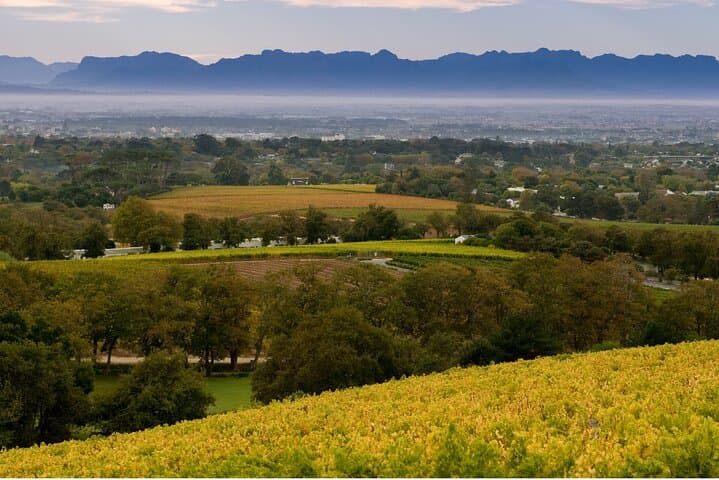
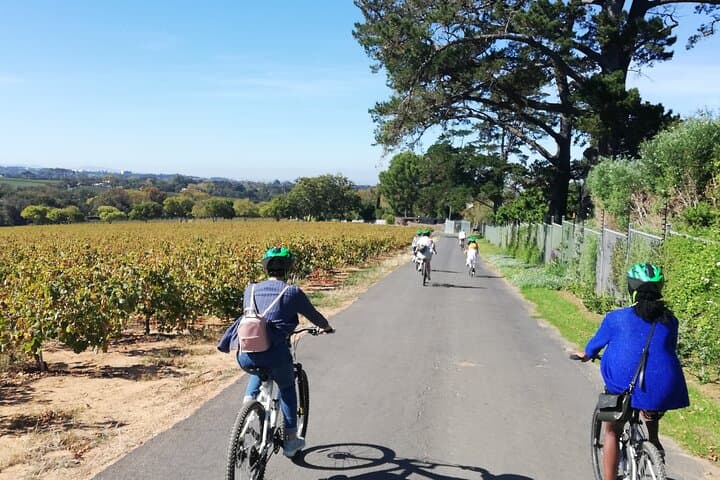
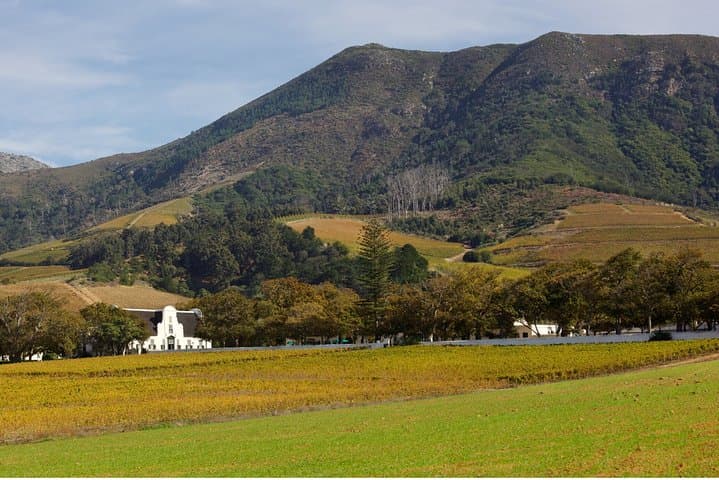
The route threads through leafy suburban streets and slow country lanes, skirting historic estates like Klein Constantia, Buitenverwachting and Steenberg. Terrain is largely paved with short sections of compact gravel around farmyards; expect gentle rolling climbs—total loop distance for a relaxed half-day is typically 12–18 km with roughly 200–300 m of accumulated elevation. Geologically, the valley sits on weathered granite and sandstone soils that help explain the region’s characterful white wines, while fynbos peeks between treelines and coastal breezes temper the afternoon heat.
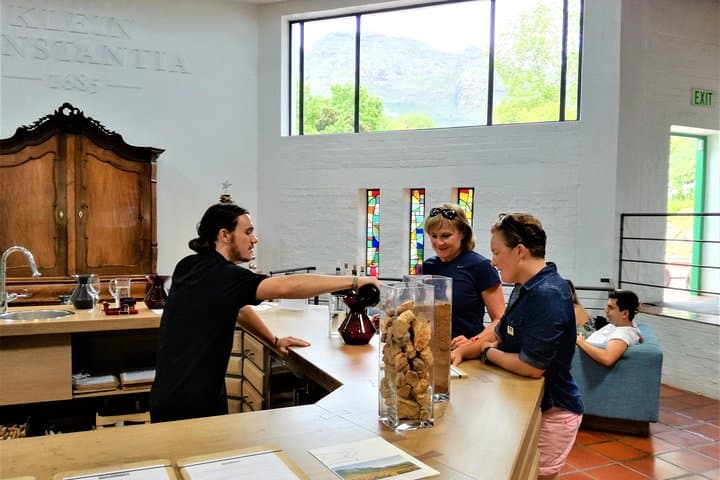
Culturally the area mixes colonial homesteads, cellar doors and contemporary tasting rooms—local winemakers often pair a short cellar tour with two to three guided tastings, included in many half-day packages. Practicalities matter: tours usually run 4–5 hours, helmets and bikes are provided, and an air-conditioned vehicle handles pickup or transfers. Bring a water bottle, sensible shoes for dismounts, sun protection, and pace yourself if you plan to taste. The ride is more promenade than race—enjoy the vineyards daring you to slow down and choose a favorite glass.
moderate.
4–5 hours.
Suitable for riders with basic bike handling and steady fitness able to cover 12–18 km and manage short, moderate climbs.
Most half-day Constantia cycle tours include 2–3 tastings and often a short cellar or estate tour—confirm the exact number when booking.
The ride is suited to riders with basic fitness; expect gentle rolling hills and short climbs over 12–18 km with some gravel sections around farms.
Many operators offer pickup in Cape Town or nearby suburbs with an air-conditioned vehicle; check your booking for pickup details and locations.
Tours generally run in light rain but policies vary—cancellation and refund terms typically require 24+ hours for full refund; confirm the provider’s weather policy before booking.
Constantia Valley’s colonial estates trace back to the 17th century when Simon van der Stel formalized vineyards at Groot Constantia, laying the foundation for South Africa’s wine industry.
The Cape’s fynbos biome is sensitive to invasive plants and water stress; choose operators who support responsible water use, proper waste disposal and stick to existing tracks.
Bike and Hike Day Tours operates guided outdoor trips and adventures with an emphasis on safety, stewardship, and memorable experiences.
Dawn lifts over the rows of vines at Groot Constantia and the valley exhales a cool, salty breeze that nudges riders out of the estate courtyard. Helmets click, bikes hum, and the first sips of wine arrive with a history lesson: this is the place Simon van der Stel planted the seeds of South African winemaking in the 17th century.
Dawn lifts over the rows of vines at Groot Constantia and the valley exhales a cool, salty breeze that nudges riders out of the estate courtyard. Helmets click, bikes hum, and the first sips of wine arrive with a history lesson: this is the place Simon van der Stel planted the seeds of South African winemaking in the 17th century.
The route threads through leafy suburban streets and slow country lanes, skirting historic estates like Klein Constantia, Buitenverwachting and Steenberg. Terrain is largely paved with short sections of compact gravel around farmyards; expect gentle rolling climbs—total loop distance for a relaxed half-day is typically 12–18 km with roughly 200–300 m of accumulated elevation. Geologically, the valley sits on weathered granite and sandstone soils that help explain the region’s characterful white wines, while fynbos peeks between treelines and coastal breezes temper the afternoon heat.
Culturally the area mixes colonial homesteads, cellar doors and contemporary tasting rooms—local winemakers often pair a short cellar tour with two to three guided tastings, included in many half-day packages. Practicalities matter: tours usually run 4–5 hours, helmets and bikes are provided, and an air-conditioned vehicle handles pickup or transfers. Bring a water bottle, sensible shoes for dismounts, sun protection, and pace yourself if you plan to taste. The ride is more promenade than race—enjoy the vineyards daring you to slow down and choose a favorite glass.