THE ADVENTURE COLLECTIVE® · Independent discovery and booking for outdoor travel

A private day trip that pairs Constanța’s layered history with an afternoon on Mamaia’s sand. Explore ancient ruins, an Art Nouveau casino and a distinctive coastal mosque before unwinding on Romania’s most famous Black Sea beach.
A private day trip that pairs Constanța’s layered history with an afternoon on Mamaia’s sand. Explore ancient ruins, an Art Nouveau casino and a distinctive coastal mosque before unwinding on Romania’s most famous Black Sea beach.
A private car eases out of the city and the air loosens—salt and wind replace urban exhaust as the coastline pulls into view. Walkable streets, battered seafront architecture and gulls circling above the promenade set the stage for a day that moves from archaeology to sand. Constanța’s forecourt opens like a history book: mosaic floors, stone piers and an Art Nouveau casino that still stares across the water.
Verified experiences and guided adventures in the surrounding area.
Operated by Romaniac Tours · Constanța, Constanța County
A private car eases out of the city and the air loosens—salt and wind replace urban exhaust as the coastline pulls into view. Walkable streets, battered seafront architecture and gulls circling above the promenade set the stage for a day that moves from archaeology to sand. Constanța’s forecourt opens like a history book: mosaic floors, stone piers and an Art Nouveau casino that still stares across the water.
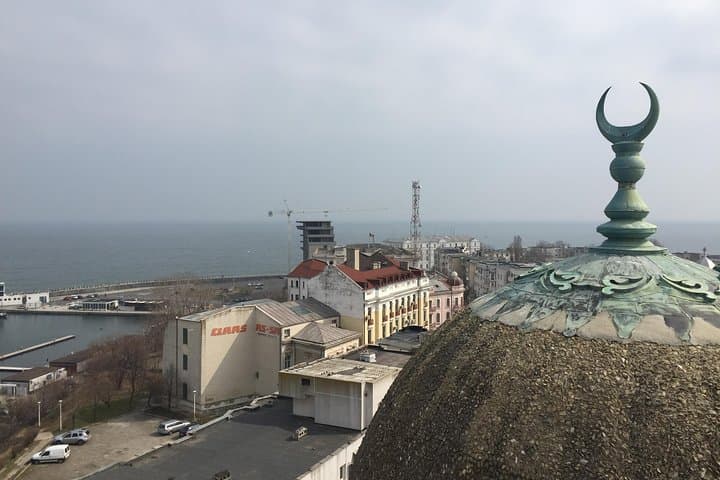
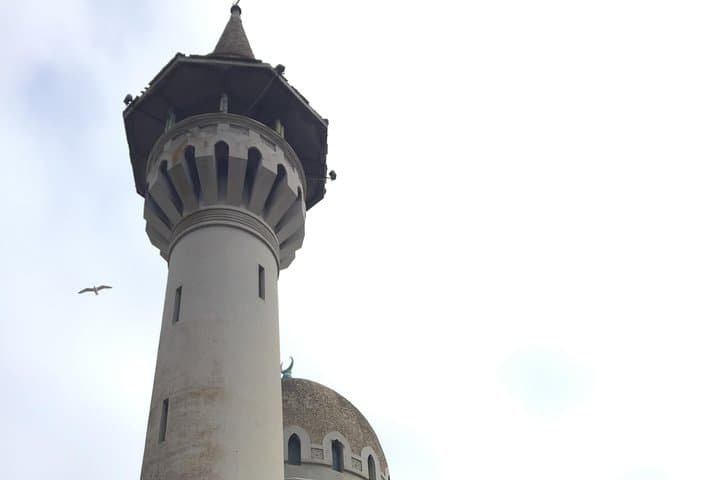
Constanța began as the Greek colony Tomis around the 6th century BCE and later absorbed Roman, Byzantine and Ottoman layers; traces of each era sit within a compact downtown. Geologically the Dobrogea coast is a mix of Quaternary marine terraces and older shale and limestone outcrops, which created shallow harbors and the natural points where settlements clustered. Culturally, the city reflects its Black Sea crossroads—Orthodox churches, a landmark mosque built in the early 20th century, and markets selling fresh fish, sunflower seeds and local produce.
After a city walk and a visit to the archaeological displays, the trip moves to Mamaia, a long, narrow resort strip where sand meets the sea. The water dares you in summer; the shore invites long walks most of the year. Expect beach clubs, public stretches and quieter coves between the piers.
Practical notes: plan for a full-day outing (transport, walking, beach time), bring sun protection and a modest outfit for mosque visits, wear comfortable shoes for cobbled streets, and carry local currency for small vendors. Morning visits avoid crowds and give cooler conditions for both sightseeing and swimming.
easy.
10 hours.
Suitable for travelers with basic mobility; involves several short walking segments and beachtime.
Pickup is arranged from your chosen location—hotel or meeting point—specified at booking; confirm the exact address beforehand.
Admission is not included for most museums; check the itinerary and bring small cash for tickets if you plan to enter displays.
The vehicle and parts of the itinerary are accessible, but some historic sites and cobbled areas may be uneven; contact the operator to confirm needs.
Yes—Mamaia’s beaches are open for swimming in warm months; lifeguard coverage varies by segment and season, so swim in designated areas.
Constanța traces to the Greek colony Tomis and later became an important Roman and Ottoman port; the poet Ovid was famously exiled here.
Coastal erosion and marine litter affect the Black Sea shoreline; use marked paths, avoid trampling dune vegetation and pack out waste to reduce impact.
Romaniac Tours operates guided outdoor trips and adventures with an emphasis on safety, stewardship, and memorable experiences.
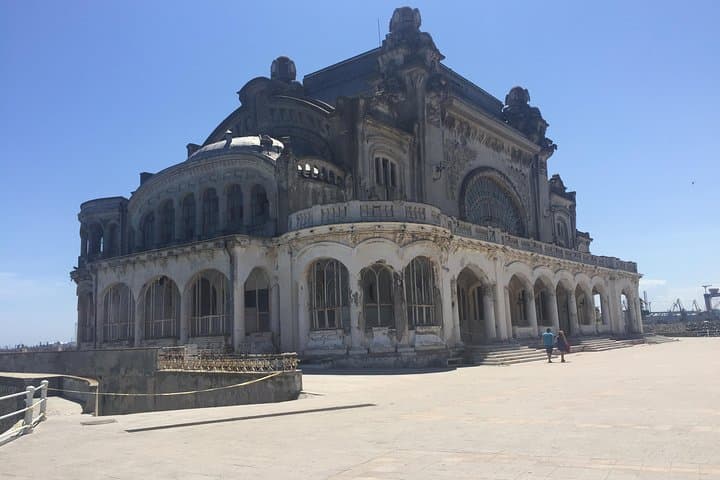
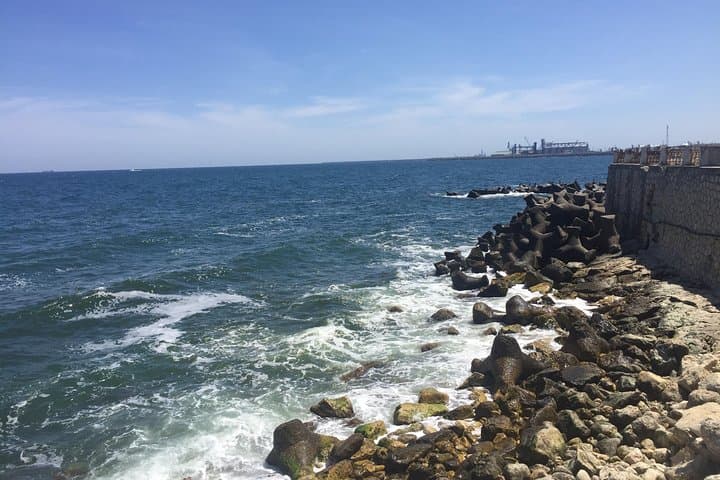
A private car eases out of the city and the air loosens—salt and wind replace urban exhaust as the coastline pulls into view. Walkable streets, battered seafront architecture and gulls circling above the promenade set the stage for a day that moves from archaeology to sand. Constanța’s forecourt opens like a history book: mosaic floors, stone piers and an Art Nouveau casino that still stares across the water.
A private car eases out of the city and the air loosens—salt and wind replace urban exhaust as the coastline pulls into view. Walkable streets, battered seafront architecture and gulls circling above the promenade set the stage for a day that moves from archaeology to sand. Constanța’s forecourt opens like a history book: mosaic floors, stone piers and an Art Nouveau casino that still stares across the water.
Constanța began as the Greek colony Tomis around the 6th century BCE and later absorbed Roman, Byzantine and Ottoman layers; traces of each era sit within a compact downtown. Geologically the Dobrogea coast is a mix of Quaternary marine terraces and older shale and limestone outcrops, which created shallow harbors and the natural points where settlements clustered. Culturally, the city reflects its Black Sea crossroads—Orthodox churches, a landmark mosque built in the early 20th century, and markets selling fresh fish, sunflower seeds and local produce.
After a city walk and a visit to the archaeological displays, the trip moves to Mamaia, a long, narrow resort strip where sand meets the sea. The water dares you in summer; the shore invites long walks most of the year. Expect beach clubs, public stretches and quieter coves between the piers.
Practical notes: plan for a full-day outing (transport, walking, beach time), bring sun protection and a modest outfit for mosque visits, wear comfortable shoes for cobbled streets, and carry local currency for small vendors. Morning visits avoid crowds and give cooler conditions for both sightseeing and swimming.