THE ADVENTURE COLLECTIVE® · Independent discovery and booking for outdoor travel

Towering over eastern Turkey, Mount Ararat offers a challenging climb filled with rich history, dynamic geology, and cultural significance. This practical guide outlines what to expect on one of the highest dormant volcanoes in the region, from acclimatization to summit push.
Towering over eastern Turkey, Mount Ararat offers a challenging climb filled with rich history, dynamic geology, and cultural significance. This practical guide outlines what to expect on one of the highest dormant volcanoes in the region, from acclimatization to summit push.
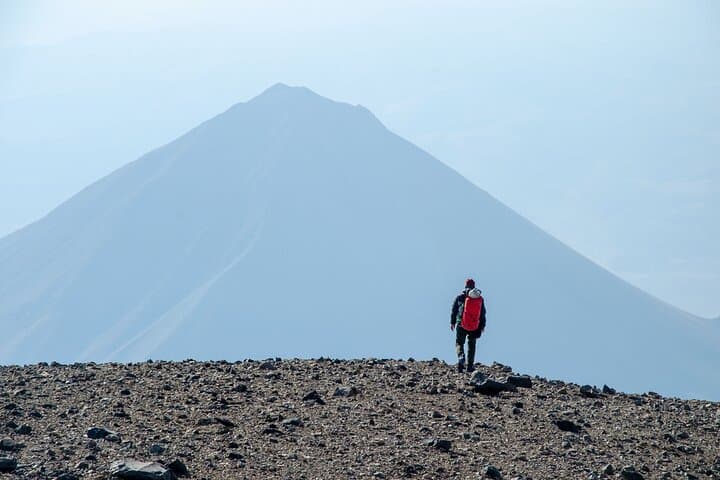
At dawn, the first light bleeds across the rugged horizon, casting long shadows over the barren slopes of Mount Ararat. Rising to 5165 meters, this dormant stratovolcano dominates the eastern Turkish landscape, daring climbers to challenge its volatile beauty and historical mystique. The ascent is more than a physical feat; it’s a journey hinged on careful preparation, gradual acclimatization, and deep respect for the mountain’s presence.
Verified experiences and guided adventures in the surrounding area.
Operated by Armland Adventure Club · Dogubayazit, Agri Province
At dawn, the first light bleeds across the rugged horizon, casting long shadows over the barren slopes of Mount Ararat. Rising to 5165 meters, this dormant stratovolcano dominates the eastern Turkish landscape, daring climbers to challenge its volatile beauty and historical mystique. The ascent is more than a physical feat; it’s a journey hinged on careful preparation, gradual acclimatization, and deep respect for the mountain’s presence.
Mount Ararat holds a towering place in both geography and lore—the traditional resting place of Noah's Ark—and has shaped borderlands between Turkey, Armenia, and Iran for centuries. Its volcanic origins sculpted a terrain of stark glaciers and jagged ridges that challenge even seasoned mountaineers. The massif’s geology tells a story of fire subdued beneath ice, with resilient glaciers that slowly yield under the sun but reclaim their hold each winter.
Culturally, Ararat is a symbol of endurance and national identity, particularly for Armenians, who peer across the border to see its snow-crowned peak. The climb begins near Dogubayazit, a gateway town where modern amenities meet the echoes of history, including proximity to the 12th-century Kars Castle and the ancient Cathedral of Kars.
The expedition spreads over five days, blending off-road drives with high-altitude trekking. Participants gain initial altitude by vehicle before hiking 4 to 5 hours to the base camp at 3200 meters, where tents await under the thin air and expansive skies. The following days focus on careful acclimatization, reaching Camp 2 at 4200 meters to ready lungs and legs for the summit push.
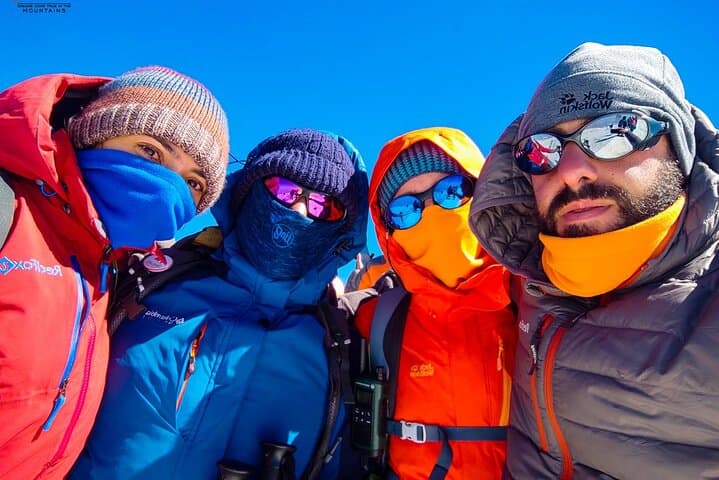
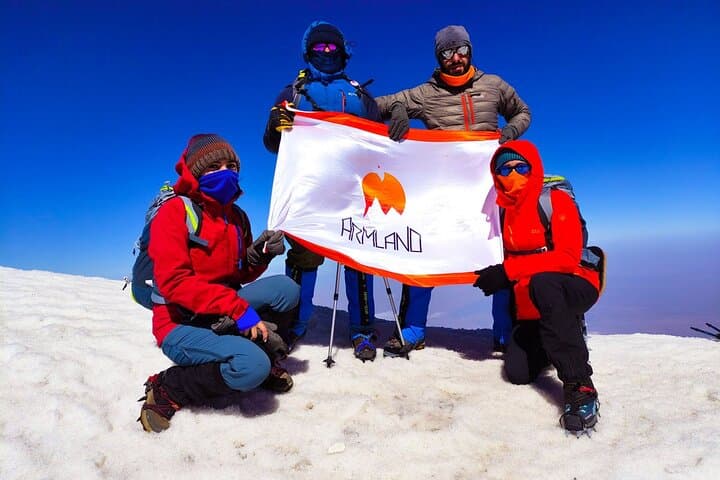
The summit attempt starts in the early hours, often between 2:00 and 3:00 am. Climbers ascend under stars, negotiating rocky scree and icy patches, with crampons anchoring each deliberate step. At the summit, the wind tests resolve as panoramic views unfold—a sharp contrast to the controlled routine of climbing. The descent retraces the ascent route, demanding continued focus amidst fatigue.
Mount Ararat’s environment demands respect: weather can shift rapidly, and oxygen thins with each vertical meter. Transport of heavy gear by horses eases the load, but physical fitness and prior mountain experience strongly improve success. The guides provide gear recommendations and tailored advice, ensuring safety and efficiency.
For those considering this climb, timing is key. Late spring through early fall offers the safest windows, with winter ascents reserved for experts equipped to manage deep snow and bone-chilling cold. The journey balances the sheer physical challenge with cultural immersion, inviting adventurers to connect with a land where natural forces and human history collide.
Proper hydration, layered clothing, and sturdy boots are essential. Expect cold nights in tents that foster camaraderie and moments of quiet under vast starlit skies. From Dogubayazit’s bustling streets to the solemn peak, climbing Mount Ararat is an adventure demanding grit, respect, and preparation, rewarding with perspectives few other summits offer.
difficult.
5 days.
Requires good cardiovascular fitness and experience with multi-day high altitude trekking
The tour operator secures all necessary climbing permits as part of the package.
While beginners can join, basic mountaineering knowledge and good physical fitness significantly enhance safety and success.
Late spring to early fall offers optimal weather; winter climbs are much more demanding and risky.
Horses carry the majority of heavy gear and supplies to reduce load on climbers.
Yes, experienced professional mountain guides accompany the group for safety and assistance.
The trip includes overnight stays in high-quality hotels at base and camps with tents equipped for high altitude.
Mount Ararat is traditionally regarded as the resting place of Noah's Ark and stands at a historical crossroads between Armenia, Turkey, and Iran.
Ongoing efforts to minimize human impact include regulated climbing permits and waste management to preserve Ararat’s fragile alpine environment.
Armland Adventure Club operates guided outdoor trips and adventures with an emphasis on safety, stewardship, and memorable experiences.

At dawn, the first light bleeds across the rugged horizon, casting long shadows over the barren slopes of Mount Ararat. Rising to 5165 meters, this dormant stratovolcano dominates the eastern Turkish landscape, daring climbers to challenge its volatile beauty and historical mystique. The ascent is more than a physical feat; it’s a journey hinged on careful preparation, gradual acclimatization, and deep respect for the mountain’s presence.
At dawn, the first light bleeds across the rugged horizon, casting long shadows over the barren slopes of Mount Ararat. Rising to 5165 meters, this dormant stratovolcano dominates the eastern Turkish landscape, daring climbers to challenge its volatile beauty and historical mystique. The ascent is more than a physical feat; it’s a journey hinged on careful preparation, gradual acclimatization, and deep respect for the mountain’s presence.
Mount Ararat holds a towering place in both geography and lore—the traditional resting place of Noah's Ark—and has shaped borderlands between Turkey, Armenia, and Iran for centuries. Its volcanic origins sculpted a terrain of stark glaciers and jagged ridges that challenge even seasoned mountaineers. The massif’s geology tells a story of fire subdued beneath ice, with resilient glaciers that slowly yield under the sun but reclaim their hold each winter.
Culturally, Ararat is a symbol of endurance and national identity, particularly for Armenians, who peer across the border to see its snow-crowned peak. The climb begins near Dogubayazit, a gateway town where modern amenities meet the echoes of history, including proximity to the 12th-century Kars Castle and the ancient Cathedral of Kars.
The expedition spreads over five days, blending off-road drives with high-altitude trekking. Participants gain initial altitude by vehicle before hiking 4 to 5 hours to the base camp at 3200 meters, where tents await under the thin air and expansive skies. The following days focus on careful acclimatization, reaching Camp 2 at 4200 meters to ready lungs and legs for the summit push.
The summit attempt starts in the early hours, often between 2:00 and 3:00 am. Climbers ascend under stars, negotiating rocky scree and icy patches, with crampons anchoring each deliberate step. At the summit, the wind tests resolve as panoramic views unfold—a sharp contrast to the controlled routine of climbing. The descent retraces the ascent route, demanding continued focus amidst fatigue.
Mount Ararat’s environment demands respect: weather can shift rapidly, and oxygen thins with each vertical meter. Transport of heavy gear by horses eases the load, but physical fitness and prior mountain experience strongly improve success. The guides provide gear recommendations and tailored advice, ensuring safety and efficiency.
For those considering this climb, timing is key. Late spring through early fall offers the safest windows, with winter ascents reserved for experts equipped to manage deep snow and bone-chilling cold. The journey balances the sheer physical challenge with cultural immersion, inviting adventurers to connect with a land where natural forces and human history collide.
Proper hydration, layered clothing, and sturdy boots are essential. Expect cold nights in tents that foster camaraderie and moments of quiet under vast starlit skies. From Dogubayazit’s bustling streets to the solemn peak, climbing Mount Ararat is an adventure demanding grit, respect, and preparation, rewarding with perspectives few other summits offer.