THE ADVENTURE COLLECTIVE® · Independent discovery and booking for outdoor travel

The Marangu Route offers a distinctive five-day climb up Mount Kilimanjaro with comfortable huts and diverse ecosystems. This guide walks you through each stage, balancing challenging terrain with rich natural and cultural highlights to prepare you for Africa’s highest summit.
The Marangu Route offers a distinctive five-day climb up Mount Kilimanjaro with comfortable huts and diverse ecosystems. This guide walks you through each stage, balancing challenging terrain with rich natural and cultural highlights to prepare you for Africa’s highest summit.
Rising steadily into the sky from the plains of northern Tanzania, Mount Kilimanjaro challenges adventurers with its vast ecological zones and the promise of Africa's highest summit. The Marangu Route—dubbed the “Coca-Cola Route” for its relatively comfortable hut accommodations—offers a more approachable path to Uhuru Peak. Over five days, trekkers journey through rainforests, heathlands, and alpine deserts, each stage revealing distinct landscapes that push the body and reward the senses.
Verified experiences and guided adventures in the surrounding area.
Operated by Gifted African Adventures · Moshi, Kilimanjaro
Rising steadily into the sky from the plains of northern Tanzania, Mount Kilimanjaro challenges adventurers with its vast ecological zones and the promise of Africa's highest summit. The Marangu Route—dubbed the “Coca-Cola Route” for its relatively comfortable hut accommodations—offers a more approachable path to Uhuru Peak. Over five days, trekkers journey through rainforests, heathlands, and alpine deserts, each stage revealing distinct landscapes that push the body and reward the senses.
Starting at Marangu Gate, the trail dips into a thick montane forest where tall eucalyptus trees offer shelter and Colobus monkeys dart through the canopy. This initial 8-kilometer stretch climbs gently from about 6,100 feet to nearly 8,900 feet, warming bodies and eyes alike with a side excursion to Maundi Crater’s panoramic overlooks, providing sweeping views of Tanzania and even the distant highlands of Kenya.
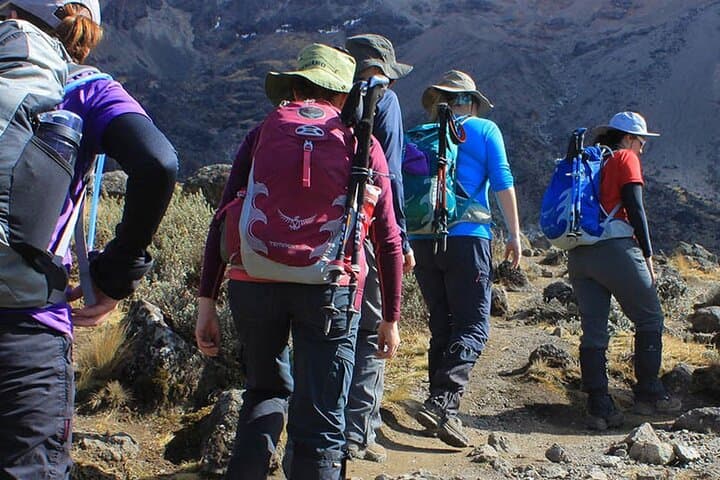
Leaving the forest behind, trekkers ascend into the open moorlands toward Horombo Hut, navigating 12 kilometers through giant lobelias and groundsels that punctuate the landscape like ancient sentinels. Altitude begins to press here, as the climb reaches over 12,000 feet, demanding respect and steady pacing.
The third day leads into the stark lunar desert of the Saddle, a vast expanse between the twin volcanoes of Mawenzi and Kibo. At 10 kilometers, the terrain shifts from hardy shrubs to gravelly dust, the high altitude and thin air sharpening the sense of isolation. Kibo Hut lies at the edge of Kibo’s crater wall, a launching point for the final ascent and a place to conserve strength.
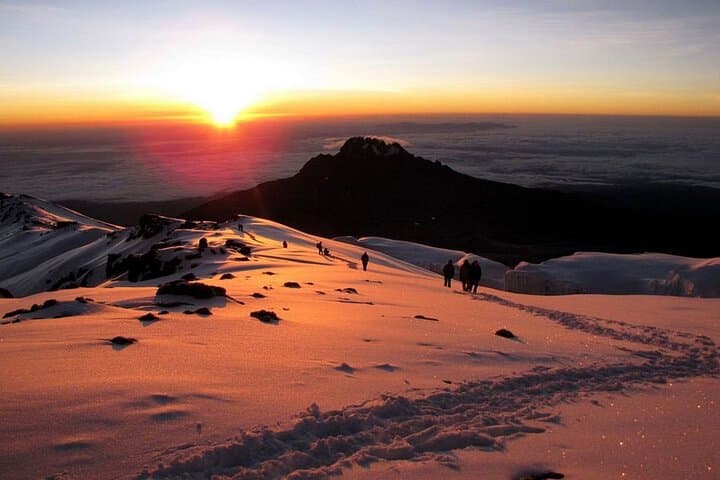
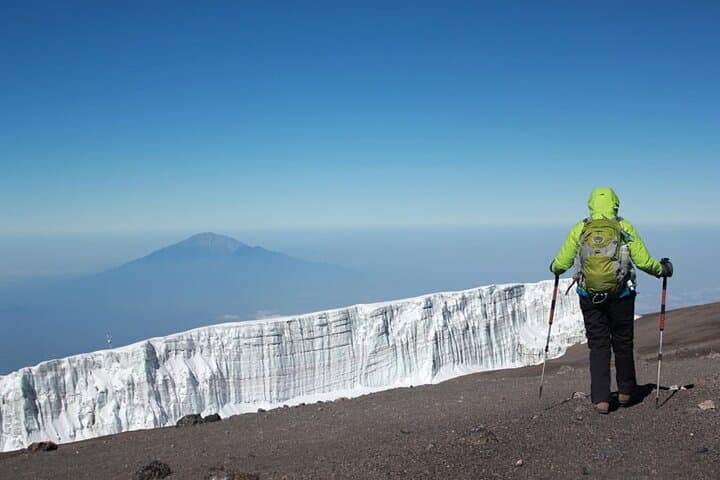
The summit push begins just after midnight, a mental and physical test as climbers ascend for six to seven hours in near darkness. The air dares you with its thinness, but the first light breaking over Mawenzi Peak at Gilman’s Point delivers one of the rawest sunrises on the planet. From there, it's a final push to Uhuru Peak at 19,341 feet—Africa's highest point—where the vast plains stretch beneath a vast sky. After soaking in the vista, the descent drops to Horombo Hut for rest.
The last day winds steeply down through the rainforest along 20 kilometers of trail back to Marangu Gate. The contrast from sparse alpine to dense forest finally releases trekkers to a finishing celebration and their summit certificates.
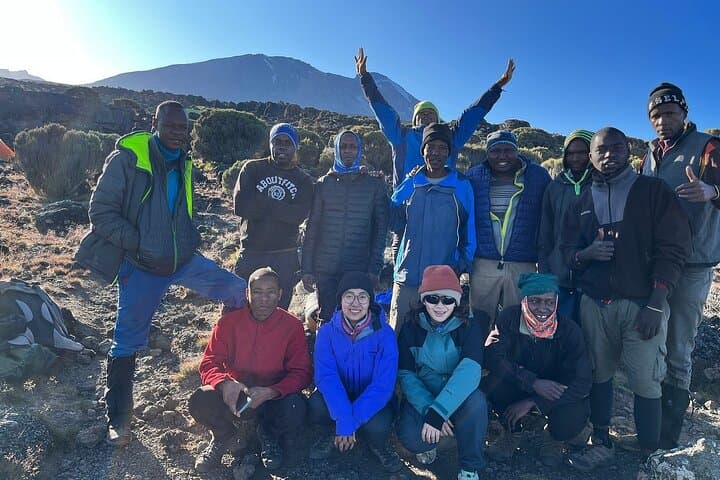
This route's blend of manageable elevation gains, hut accommodations, and rich biodiversity make it an ideal choice for moderately fit travelers ready to face Kilimanjaro’s layered challenges. Proper hydration, layered clothing for the varying climates, and a measured pace are essential preparations. Experienced guides accompany every step, ensuring safety and sharing insights into the mountain’s geological origins and cultural context within the Chagga communities that live in its shadow.
The Marangu Route is more than a climb; it’s a layered encounter with a mountain that commands attention, daring trekkers to respect its scale and rhythm while rewarding them with unparalleled achievement and connection to the wild heart of Africa.
moderate.
5 days.
Moderate fitness required, with ability to hike 6–7 hours on some days at altitude.
No, but moderate fitness and proper acclimatization during the climb are necessary to help prevent altitude sickness.
The Marangu Route features hut accommodations with basic facilities, making it comfortable compared to camping routes.
Dry seasons from late June to October and January to February offer the most stable weather for climbing.
Yes, all breakfasts, lunches, and dinners are included and provided at the huts along the route.
Trekkers commonly spot Colobus monkeys in the forest and various bird species throughout different ecological zones.
Summit day is the most challenging, involving a steep ascent starting around midnight in cold and thin air, requiring mental endurance and steady pacing.
The Marangu Route holds cultural significance for the Chagga people, who have lived on Kilimanjaro’s slopes for centuries and maintain a deep connection to the mountain.
Efforts focus on sustainable tourism and minimizing human impact within Kilimanjaro National Park to preserve its diverse ecosystems and support local communities.
Gifted African Adventures operates guided outdoor trips and adventures with an emphasis on safety, stewardship, and memorable experiences.
Rising steadily into the sky from the plains of northern Tanzania, Mount Kilimanjaro challenges adventurers with its vast ecological zones and the promise of Africa's highest summit. The Marangu Route—dubbed the “Coca-Cola Route” for its relatively comfortable hut accommodations—offers a more approachable path to Uhuru Peak. Over five days, trekkers journey through rainforests, heathlands, and alpine deserts, each stage revealing distinct landscapes that push the body and reward the senses.
Rising steadily into the sky from the plains of northern Tanzania, Mount Kilimanjaro challenges adventurers with its vast ecological zones and the promise of Africa's highest summit. The Marangu Route—dubbed the “Coca-Cola Route” for its relatively comfortable hut accommodations—offers a more approachable path to Uhuru Peak. Over five days, trekkers journey through rainforests, heathlands, and alpine deserts, each stage revealing distinct landscapes that push the body and reward the senses.
Starting at Marangu Gate, the trail dips into a thick montane forest where tall eucalyptus trees offer shelter and Colobus monkeys dart through the canopy. This initial 8-kilometer stretch climbs gently from about 6,100 feet to nearly 8,900 feet, warming bodies and eyes alike with a side excursion to Maundi Crater’s panoramic overlooks, providing sweeping views of Tanzania and even the distant highlands of Kenya.
Leaving the forest behind, trekkers ascend into the open moorlands toward Horombo Hut, navigating 12 kilometers through giant lobelias and groundsels that punctuate the landscape like ancient sentinels. Altitude begins to press here, as the climb reaches over 12,000 feet, demanding respect and steady pacing.
The third day leads into the stark lunar desert of the Saddle, a vast expanse between the twin volcanoes of Mawenzi and Kibo. At 10 kilometers, the terrain shifts from hardy shrubs to gravelly dust, the high altitude and thin air sharpening the sense of isolation. Kibo Hut lies at the edge of Kibo’s crater wall, a launching point for the final ascent and a place to conserve strength.
The summit push begins just after midnight, a mental and physical test as climbers ascend for six to seven hours in near darkness. The air dares you with its thinness, but the first light breaking over Mawenzi Peak at Gilman’s Point delivers one of the rawest sunrises on the planet. From there, it's a final push to Uhuru Peak at 19,341 feet—Africa's highest point—where the vast plains stretch beneath a vast sky. After soaking in the vista, the descent drops to Horombo Hut for rest.
The last day winds steeply down through the rainforest along 20 kilometers of trail back to Marangu Gate. The contrast from sparse alpine to dense forest finally releases trekkers to a finishing celebration and their summit certificates.
This route's blend of manageable elevation gains, hut accommodations, and rich biodiversity make it an ideal choice for moderately fit travelers ready to face Kilimanjaro’s layered challenges. Proper hydration, layered clothing for the varying climates, and a measured pace are essential preparations. Experienced guides accompany every step, ensuring safety and sharing insights into the mountain’s geological origins and cultural context within the Chagga communities that live in its shadow.
The Marangu Route is more than a climb; it’s a layered encounter with a mountain that commands attention, daring trekkers to respect its scale and rhythm while rewarding them with unparalleled achievement and connection to the wild heart of Africa.