THE ADVENTURE COLLECTIVE® · Independent discovery and booking for outdoor travel

Fly to Lukla, trek through Sherpa villages and glaciers, and reach Everest Base Camp on a 14-day guided journey that balances acclimatization and bold alpine scenery. This guide explains what to expect on-trail and how to prepare for high-altitude trekking in the Khumbu.
Fly to Lukla, trek through Sherpa villages and glaciers, and reach Everest Base Camp on a 14-day guided journey that balances acclimatization and bold alpine scenery. This guide explains what to expect on-trail and how to prepare for high-altitude trekking in the Khumbu.
A crisp Himalayan dawn breaks as the Twin Otter lifts from Kathmandu and drops you into Lukla’s small runway—the gateway where the mountains begin to assert themselves. From Phakding’s rhododendron slopes to the gravel of Gorekshep, the trail pushes upward, each suspension bridge and prayer-flagged ridge edging you toward the raw presence of Everest itself.
Verified experiences and guided adventures in the surrounding area.
Operated by Everest Glacier Trek Pvt Ltd · Lukla, Province No. 1
A crisp Himalayan dawn breaks as the Twin Otter lifts from Kathmandu and drops you into Lukla’s small runway—the gateway where the mountains begin to assert themselves. From Phakding’s rhododendron slopes to the gravel of Gorekshep, the trail pushes upward, each suspension bridge and prayer-flagged ridge edging you toward the raw presence of Everest itself.
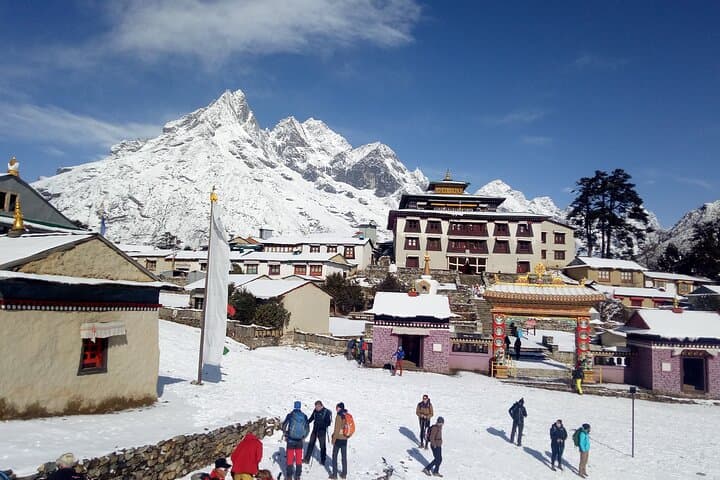
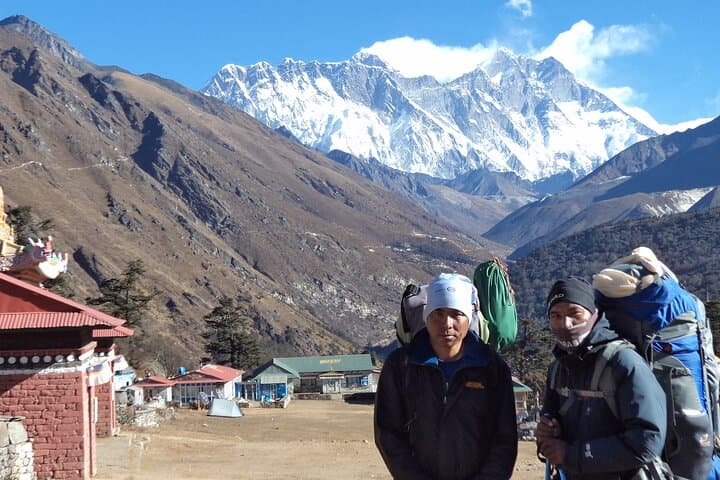
Geology here is loud: the collision of the Indian and Eurasian plates thrusts granite and ice into sky-high ridgelines; the Khumbu Glacier grinds and scours a landscape that changes with season and weather. Culturally, the Khumbu is Sherpa country—stupas, mani walls and the scent of yak butter lamps at Tengboche monastery mark human resilience at altitude. Small tea houses provide basic comfort and a chance to trade stories with guides whose ancestors have lived in these valleys for generations.
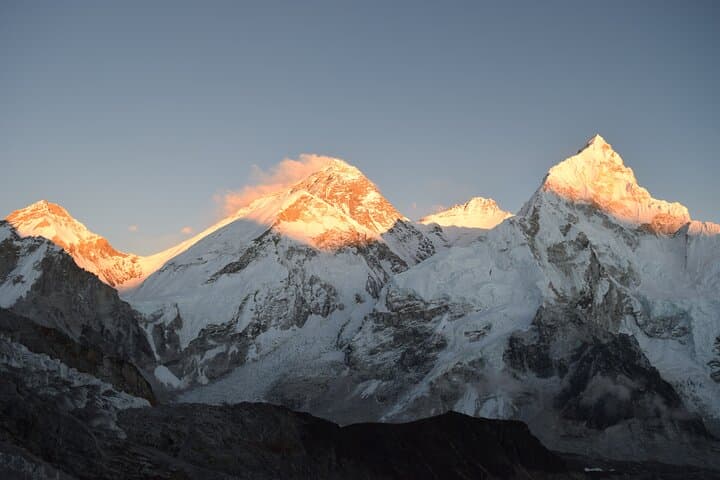
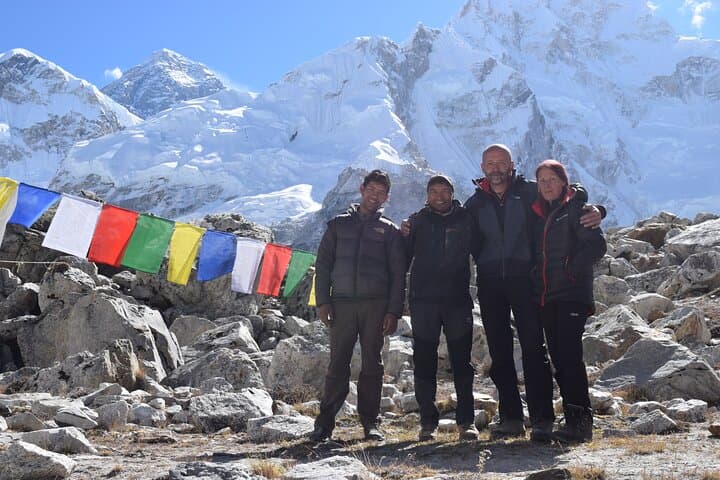
Practically, this itinerary balances ascent and acclimatization—rest days in Namche and Dingboche are built into the plan for a reason. Expect 4–7 hour marches day-to-day on rocky trails with intermittent snow above 4,000 m; a dawn hike to Kala Patthar delivers the clearest Everest views. Hydration, steady pacing, and layered clothing are non-negotiable. Carry a warm sleeping bag rated to -10°C for higher tea houses, and be prepared for variable weather: sun can be fierce at noon, wind and snow can change the picture by evening.
For first-time high-altitude trekkers, move deliberately, communicate any headaches to your guide, and respect the mountain’s pace—the peaks won’t rush you, but altitude will remind you to be patient.
challenging.
14 days.
Good cardiovascular fitness with experience hiking 4–7 hours per day; previous multi-day trekking is strongly recommended.
Yes—trekkers need the Sagarmatha National Park permit and the Khumbu Pasang Lhamu Rural Municipality entrance permit; guides/agents usually arrange these.
Spring (March–May) and autumn (September–November) offer the most stable weather, clearer views, and warmer daytime temperatures.
Altitude illness is a real risk above 3,000 m; the itinerary includes acclimatization days and experienced guides monitor symptoms—descend immediately if severe signs appear.
Tea houses are basic but functional: shared rooms, simple hot meals, and charging for devices in many stops; expect rustic conditions at higher elevations.
The Khumbu earned global attention after 1953 when expeditions conquered Everest; Sherpa climbers and mountaineering culture have since been integral to Himalayan exploration.
Sagarmatha National Park manages visitor impact—stick to marked trails, minimise waste, and support local tea houses to sustain the region's economy and environment.
Everest Glacier Trek Pvt Ltd operates guided outdoor trips and adventures with an emphasis on safety, stewardship, and memorable experiences.
A crisp Himalayan dawn breaks as the Twin Otter lifts from Kathmandu and drops you into Lukla’s small runway—the gateway where the mountains begin to assert themselves. From Phakding’s rhododendron slopes to the gravel of Gorekshep, the trail pushes upward, each suspension bridge and prayer-flagged ridge edging you toward the raw presence of Everest itself.
A crisp Himalayan dawn breaks as the Twin Otter lifts from Kathmandu and drops you into Lukla’s small runway—the gateway where the mountains begin to assert themselves. From Phakding’s rhododendron slopes to the gravel of Gorekshep, the trail pushes upward, each suspension bridge and prayer-flagged ridge edging you toward the raw presence of Everest itself.
Geology here is loud: the collision of the Indian and Eurasian plates thrusts granite and ice into sky-high ridgelines; the Khumbu Glacier grinds and scours a landscape that changes with season and weather. Culturally, the Khumbu is Sherpa country—stupas, mani walls and the scent of yak butter lamps at Tengboche monastery mark human resilience at altitude. Small tea houses provide basic comfort and a chance to trade stories with guides whose ancestors have lived in these valleys for generations.
Practically, this itinerary balances ascent and acclimatization—rest days in Namche and Dingboche are built into the plan for a reason. Expect 4–7 hour marches day-to-day on rocky trails with intermittent snow above 4,000 m; a dawn hike to Kala Patthar delivers the clearest Everest views. Hydration, steady pacing, and layered clothing are non-negotiable. Carry a warm sleeping bag rated to -10°C for higher tea houses, and be prepared for variable weather: sun can be fierce at noon, wind and snow can change the picture by evening.
For first-time high-altitude trekkers, move deliberately, communicate any headaches to your guide, and respect the mountain’s pace—the peaks won’t rush you, but altitude will remind you to be patient.