THE ADVENTURE COLLECTIVE® · Independent discovery and booking for outdoor travel

Experience a six-day climb up Peru's imposing Ausangate, the highest peak in the Vilcanota range. From serene lagoons to steep glacier walls, this expedition blends cultural encounters with rigorous altitude challenges.
Experience a six-day climb up Peru's imposing Ausangate, the highest peak in the Vilcanota range. From serene lagoons to steep glacier walls, this expedition blends cultural encounters with rigorous altitude challenges.
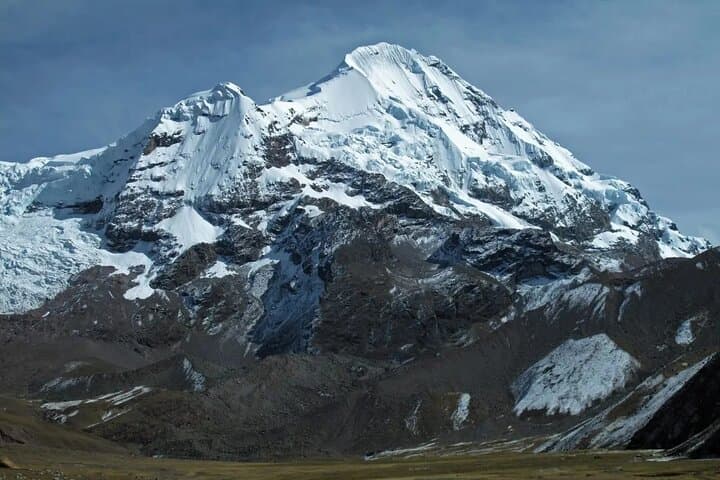
Rising sharply above the Andean plateau, Ausangate commands attention at 6,384 meters, its snow-clad ridge daring climbers into one of Peru’s most formidable alpine challenges. This six-day expedition carves a path through the remote Vilcanota mountain range, beginning with a quiet morning pickup from Cusco before plunging southward toward the Pacchanta community at 4,334 meters. Here, the soft steam of natural hot springs mingles with the brisk mountain air, rolling alpacas graze lazily, and the rugged landscape readies you for what lies ahead.
Verified experiences and guided adventures in the surrounding area.
Operated by Peru Expeditions Tours · Cusco, Cusco
Rising sharply above the Andean plateau, Ausangate commands attention at 6,384 meters, its snow-clad ridge daring climbers into one of Peru’s most formidable alpine challenges. This six-day expedition carves a path through the remote Vilcanota mountain range, beginning with a quiet morning pickup from Cusco before plunging southward toward the Pacchanta community at 4,334 meters. Here, the soft steam of natural hot springs mingles with the brisk mountain air, rolling alpacas graze lazily, and the rugged landscape readies you for what lies ahead.
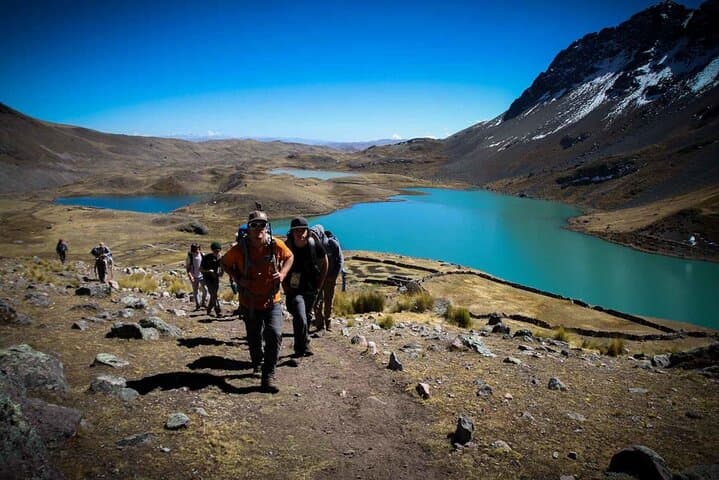
The initial approach is a gentle introduction, an acclimatization hike that traces scenic trails to the vibrant 7 lagoons of Ausangate. These high-altitude bodies of water, each reflecting the sky with shades of turquoise and cobalt, provide a window into the region’s glacial history—a story of ice ages and erosion carving the terrain into sharp ridges and lush valleys. The local Pacchanta community preserves traditional Quechua customs, which travelers witness firsthand, a reminder that this wilderness is not simply a destination but a lived landscape.
From Pacchaspata, days grow steeper and air thinner. The climb to Paso Jampa at 5,100 meters tests lungs and willpower as panoramic views unfold—a reward for every measured step. Descending to Surapata camp and onward to Ausangate Base Camp, the mountain’s immense presence becomes tangible, dominating horizons and demanding respect. Nearby, the sun-darkened waters of Chocolate Lake offer a moment to pause, their contrasting hues mirroring the stark terrain.
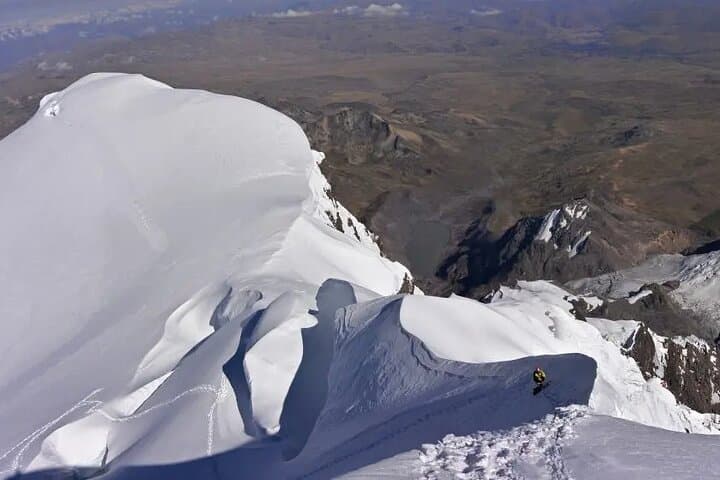
The summit assault launches at midnight. By the light of headlamps, climbers negotiate a 200-meter wall angled steeply at 65 degrees, crampons biting into ice forged at altitude. This sustained technical section draws on every ounce of focus and muscle. Above lies a plateau where snow drifts shift with the wind’s authority, followed by the final 50 meters to the summit. At 6,384 meters, the vistas unfurl like a grand Andean narrative—jagged peaks, distant valleys, and the infinite sky. Return descents retrace the demanding route, culminating in base camp warmth and a hard-earned meal.
The following days trail toward the iconic Rainbow Mountain via the Palomani Pass at 5,200 meters. Colorful mineral deposits streak slopes in reds, yellows, and greens, a geological canvas centuries in the making. Llamas and alpacas dot the landscape, ambassadors of this high-altitude ecosystem. Descending back toward Cusco, the expedition closes with a profound connection to a landscape where endurance, culture, and nature collide.
Practically, climbers should prepare for steep, rocky terrain and severe altitude changes, requiring solid aerobic fitness and technical skills including ice climbing and roped glacier travel. Weather swings quickly; layering is key. Hydration and nutrition can’t be overlooked when pushing above 5,000 meters. Guided support, professional gear, and thoughtful pacing ensure safety in this remote environment.
For those drawn to testing limits amid raw Andean grandeur, Ausangate offers challenge, culture, and views that linger long after boots touch Cusco’s streets again.
difficult.
6 days (multi-day expedition).
Requires strong aerobic fitness, prior high-altitude trekking experience, and good muscular endurance.
While technical support is provided, basic ice climbing and rope skills improve your experience and safety on the glacier sections.
May to September offers the driest conditions, with more stable weather and safer climbing.
Guides typically provide standard climbing equipment, but bringing personal fit gear like boots and gloves is recommended.
This is a strenuous climb requiring good cardiovascular fitness and acclimatization to altitude above 5,000 meters.
Yes, altitude sickness is a risk; the itinerary emphasizes acclimatization hikes and gradual ascent to mitigate it.
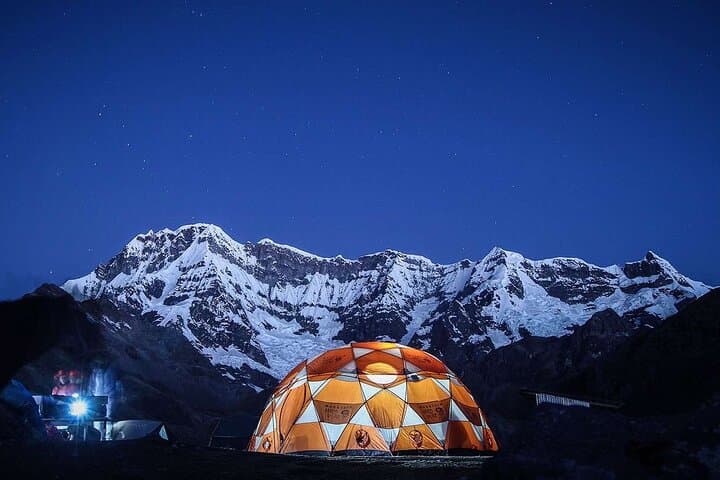
Camping is on high-quality mountain tents shared between two people, with meals prepared by expedition cooks.
Ausangate holds cultural significance for Quechua communities, often regarded as an Apu, or sacred mountain, central to local rituals.
The region emphasizes low-impact travel with strict waste management and respect for indigenous lands to preserve fragile alpine ecosystems.
Peru Expeditions Tours operates guided outdoor trips and adventures with an emphasis on safety, stewardship, and memorable experiences.
Rising sharply above the Andean plateau, Ausangate commands attention at 6,384 meters, its snow-clad ridge daring climbers into one of Peru’s most formidable alpine challenges. This six-day expedition carves a path through the remote Vilcanota mountain range, beginning with a quiet morning pickup from Cusco before plunging southward toward the Pacchanta community at 4,334 meters. Here, the soft steam of natural hot springs mingles with the brisk mountain air, rolling alpacas graze lazily, and the rugged landscape readies you for what lies ahead.
Rising sharply above the Andean plateau, Ausangate commands attention at 6,384 meters, its snow-clad ridge daring climbers into one of Peru’s most formidable alpine challenges. This six-day expedition carves a path through the remote Vilcanota mountain range, beginning with a quiet morning pickup from Cusco before plunging southward toward the Pacchanta community at 4,334 meters. Here, the soft steam of natural hot springs mingles with the brisk mountain air, rolling alpacas graze lazily, and the rugged landscape readies you for what lies ahead.
The initial approach is a gentle introduction, an acclimatization hike that traces scenic trails to the vibrant 7 lagoons of Ausangate. These high-altitude bodies of water, each reflecting the sky with shades of turquoise and cobalt, provide a window into the region’s glacial history—a story of ice ages and erosion carving the terrain into sharp ridges and lush valleys. The local Pacchanta community preserves traditional Quechua customs, which travelers witness firsthand, a reminder that this wilderness is not simply a destination but a lived landscape.
From Pacchaspata, days grow steeper and air thinner. The climb to Paso Jampa at 5,100 meters tests lungs and willpower as panoramic views unfold—a reward for every measured step. Descending to Surapata camp and onward to Ausangate Base Camp, the mountain’s immense presence becomes tangible, dominating horizons and demanding respect. Nearby, the sun-darkened waters of Chocolate Lake offer a moment to pause, their contrasting hues mirroring the stark terrain.
The summit assault launches at midnight. By the light of headlamps, climbers negotiate a 200-meter wall angled steeply at 65 degrees, crampons biting into ice forged at altitude. This sustained technical section draws on every ounce of focus and muscle. Above lies a plateau where snow drifts shift with the wind’s authority, followed by the final 50 meters to the summit. At 6,384 meters, the vistas unfurl like a grand Andean narrative—jagged peaks, distant valleys, and the infinite sky. Return descents retrace the demanding route, culminating in base camp warmth and a hard-earned meal.
The following days trail toward the iconic Rainbow Mountain via the Palomani Pass at 5,200 meters. Colorful mineral deposits streak slopes in reds, yellows, and greens, a geological canvas centuries in the making. Llamas and alpacas dot the landscape, ambassadors of this high-altitude ecosystem. Descending back toward Cusco, the expedition closes with a profound connection to a landscape where endurance, culture, and nature collide.
Practically, climbers should prepare for steep, rocky terrain and severe altitude changes, requiring solid aerobic fitness and technical skills including ice climbing and roped glacier travel. Weather swings quickly; layering is key. Hydration and nutrition can’t be overlooked when pushing above 5,000 meters. Guided support, professional gear, and thoughtful pacing ensure safety in this remote environment.
For those drawn to testing limits amid raw Andean grandeur, Ausangate offers challenge, culture, and views that linger long after boots touch Cusco’s streets again.