THE ADVENTURE COLLECTIVE® · Independent discovery and booking for outdoor travel

A six-day high‑altitude trek through the Simien Mountains to the summit of Mt. Ras Dejen (4,543 m). Expect long trekking days, mule-supported camping and sightings of endemic wildlife while traversing dramatic plateaus and cliffs.
A six-day high‑altitude trek through the Simien Mountains to the summit of Mt. Ras Dejen (4,543 m). Expect long trekking days, mule-supported camping and sightings of endemic wildlife while traversing dramatic plateaus and cliffs.
Dawn breaks over a serrated skyline and the cold air tastes like iron. You shoulder a pack, the mules file off with the rest, and a local guide points toward a shimmering ridge—Ras Dejen rises above the Simien escarpment, its flanks carved by rivers and centuries of erosion.
Verified experiences and guided adventures in the surrounding area.
Operated by Ethio Wildlife Tours · Debark, Amhara Region
Dawn breaks over a serrated skyline and the cold air tastes like iron. You shoulder a pack, the mules file off with the rest, and a local guide points toward a shimmering ridge—Ras Dejen rises above the Simien escarpment, its flanks carved by rivers and centuries of erosion.
The Simien Mountains National Park, a UNESCO World Heritage site, grew from volcanic uplift and later sculpting by water and frost; the result is abrupt plateaus, deep gorges and dramatic cliffs. Local Amhara communities farm terraced slopes beneath the park and maintain age-old shepherding traditions. Wildlife here is distinctive—the endemic Ethiopian wolf and the walia ibex patrol high ridgelines while gelada troop on the grassy plateaus.
This six-day itinerary moves from Gondar through Debark into the park, camping at Sankaber, Gich, Chenek and Ambiko before an alpine pre-dawn push to Ras Dejen’s 4,543m summit. Expect long days (up to 9–10 hours), rocky plateaus, steep ascents and potential high‑altitude wind and chill. Nights are cold even in summer; guides and mule teams handle tents and bulk gear, so hikers carry day packs.
Practical notes: build altitude acclimatization into your plan, train for sustained uphill and rough terrain, and pack layered insulation, a reliable sleeping bag rated for near-freezing nighttime temps, and a water-treatment method. Time summit attempts for early morning to avoid afternoon winds and maximize visibility. Respect trails, campfires and wildlife—this is fragile highland country with a proud local culture that supports trekking economies.
challenging.
6 days.
You should be in strong aerobic condition with experience on sustained uphill hikes and long daily mileage; long training hikes with elevation gain are recommended.
Summit day is a long alpine push (5–6 hours up, 3–4 hours down) starting before dawn; expect steep sections, altitude strain and cold—good fitness and acclimatization are essential.
Yes—mules and handlers transport group gear and larger items; hikers carry only their day pack and essentials each day.
Basic camping familiarity helps, but guides and crew handle tent setup and meals; however, you should be comfortable sleeping in a tent at high elevation.
Dry season months (roughly October–March) offer more stable conditions and clearer summit views, though days can be colder; short rains in summer make trails muddier and can reduce visibility.
The Simien highlands have been pastoral and agricultural for centuries; Amhara communities and ancient trade routes shaped local land use and terrace farming below the park.
Simien is fragile—stay on trails, avoid feeding wildlife, and support local guides whose fees directly fund conservation and community livelihoods.
Ethio Wildlife Tours operates guided outdoor trips and adventures with an emphasis on safety, stewardship, and memorable experiences.
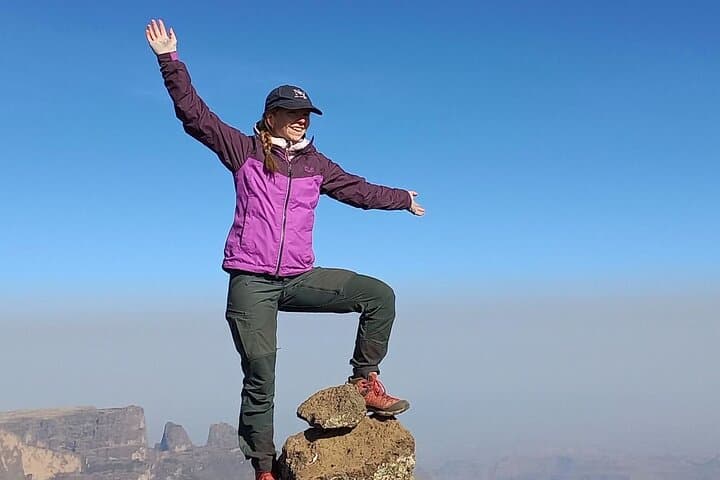
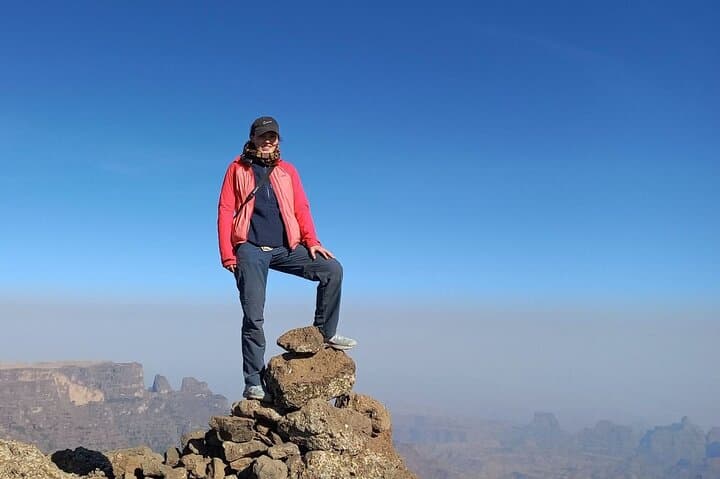
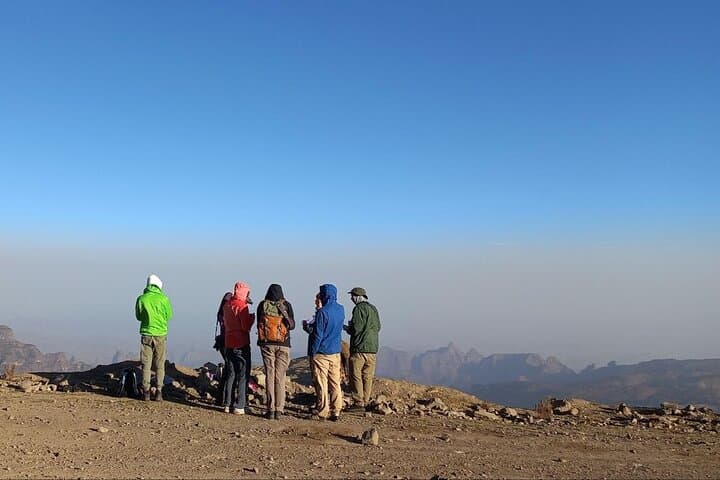
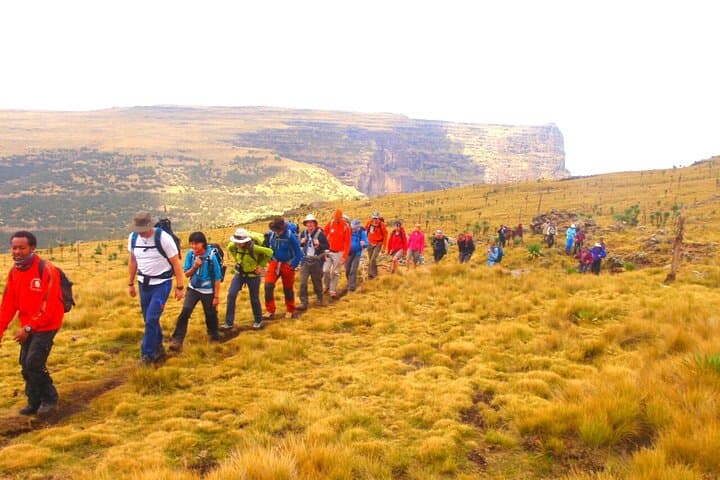
Dawn breaks over a serrated skyline and the cold air tastes like iron. You shoulder a pack, the mules file off with the rest, and a local guide points toward a shimmering ridge—Ras Dejen rises above the Simien escarpment, its flanks carved by rivers and centuries of erosion.
Dawn breaks over a serrated skyline and the cold air tastes like iron. You shoulder a pack, the mules file off with the rest, and a local guide points toward a shimmering ridge—Ras Dejen rises above the Simien escarpment, its flanks carved by rivers and centuries of erosion.
The Simien Mountains National Park, a UNESCO World Heritage site, grew from volcanic uplift and later sculpting by water and frost; the result is abrupt plateaus, deep gorges and dramatic cliffs. Local Amhara communities farm terraced slopes beneath the park and maintain age-old shepherding traditions. Wildlife here is distinctive—the endemic Ethiopian wolf and the walia ibex patrol high ridgelines while gelada troop on the grassy plateaus.
This six-day itinerary moves from Gondar through Debark into the park, camping at Sankaber, Gich, Chenek and Ambiko before an alpine pre-dawn push to Ras Dejen’s 4,543m summit. Expect long days (up to 9–10 hours), rocky plateaus, steep ascents and potential high‑altitude wind and chill. Nights are cold even in summer; guides and mule teams handle tents and bulk gear, so hikers carry day packs.
Practical notes: build altitude acclimatization into your plan, train for sustained uphill and rough terrain, and pack layered insulation, a reliable sleeping bag rated for near-freezing nighttime temps, and a water-treatment method. Time summit attempts for early morning to avoid afternoon winds and maximize visibility. Respect trails, campfires and wildlife—this is fragile highland country with a proud local culture that supports trekking economies.