THE ADVENTURE COLLECTIVE® · Independent discovery and booking for outdoor travel

Traverse Mount Kenya from Sirimon to Chogoria in four days, moving from montane forest to high alpine summits. This practical guide outlines what to expect—terrain, acclimatization, and essential gear—to help you plan a safe, thrilling summit bid to Point Lenana.
Traverse Mount Kenya from Sirimon to Chogoria in four days, moving from montane forest to high alpine summits. This practical guide outlines what to expect—terrain, acclimatization, and essential gear—to help you plan a safe, thrilling summit bid to Point Lenana.
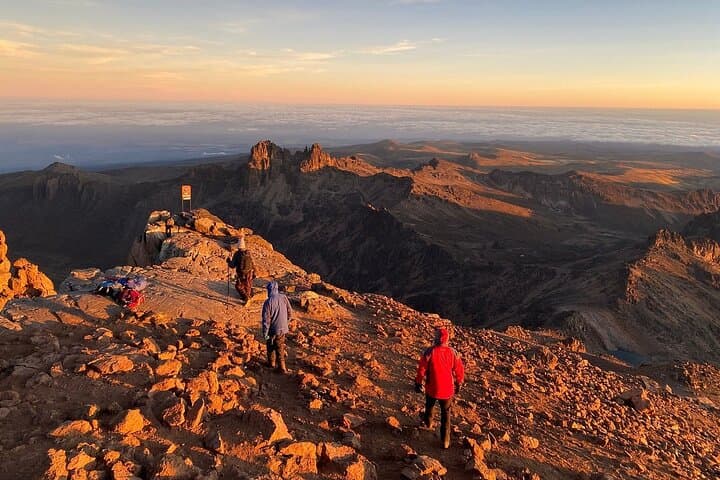
A cold dawn at Old Moses Camp frames the first step: wind nudges the heather, clouds pool in the valley below, and the trail heads upward through montane forest into open moorland. On this four-day traverse from Sirimon to Chogoria, climbers move from shaded bamboo corridors to the high, exposed ridges that define Mount Kenya’s inner alpine zone.
Verified experiences and guided adventures in the surrounding area.
Operated by LISAM TOURS KENYA · Nanyuki, Laikipia County
A cold dawn at Old Moses Camp frames the first step: wind nudges the heather, clouds pool in the valley below, and the trail heads upward through montane forest into open moorland. On this four-day traverse from Sirimon to Chogoria, climbers move from shaded bamboo corridors to the high, exposed ridges that define Mount Kenya’s inner alpine zone.
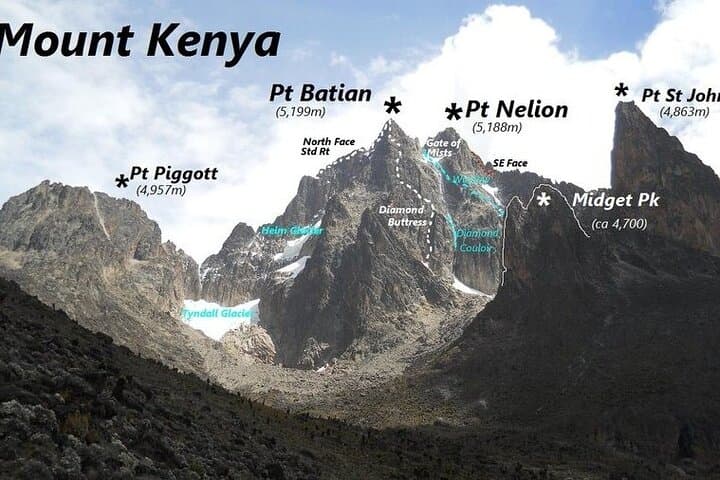
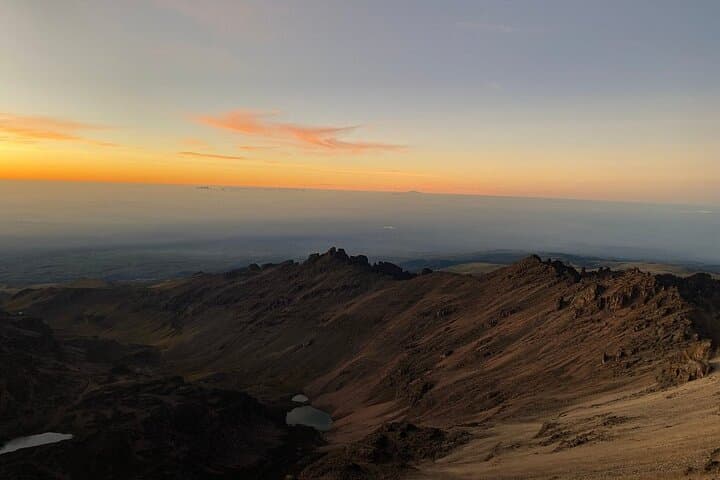
Geology here is raw—ancient volcanic domes carved by glacial ice—so the landscape alternates between volcanic scree, polished moraine, and dolerite pinnacles. The route follows classic Kenyan mountaineering lines: gentle approach on day one, long contouring days through Mackinders Valley, and a pre-dawn scramble to Point Lenana (4,985 m) for sunrise and a possible view of Kilimanjaro on the horizon.
Culturally, the mountain plays a central role for Kikuyu and Meru communities; pastoral land-use and sacred groves influence access and lodge locations near Sirimon and Chogoria gates. Expect to see unique afro-alpine plants—giant lobelia and senecio—and mountain-adapted wildlife like rock hyrax.
Practical edge: acclimatize deliberately, start summit bids around 2–3 a.m., and plan for fast weather swings—sun one hour, sleet the next. Footwear should handle wet scree; layers and a reliable headlamp are non-negotiable. Water treatment and altitude-aware pacing keep the trip safe and enjoyable.
This itinerary suits experienced trekkers comfortable with sustained uphill days and light scrambling; it rewards effort with glaciers, valley panoramas, and the rare experience of high-equatorial alpine terrain.
challenging.
4 days.
Good aerobic fitness with experience on multi-day hikes and the ability to manage high-altitude days.
Yes—climbing in Mount Kenya National Park requires park fees and permits obtained through Kenya Wildlife Service or your operator as part of the booking.
The route to Point Lenana involves steep scree and some scrambling; fit trekkers with good balance can summit without technical climbing gear.
Acute mountain sickness is possible above 3,000 m—ascend slowly, hydrate, and descend if symptoms worsen; guides will monitor and adjust the pace.
June–September and December–February offer the most stable conditions, but the mountain is climbable year-round with proper rain and cold-weather preparation.
Mount Kenya’s volcanic core formed several million years ago and was later sculpted by Pleistocene glaciers that carved the current summits and valleys.
The area is protected within Mount Kenya National Park; stick to trails, pack out waste, and respect local grazing areas to minimize impact.
LISAM TOURS KENYA operates guided outdoor trips and adventures with an emphasis on safety, stewardship, and memorable experiences.
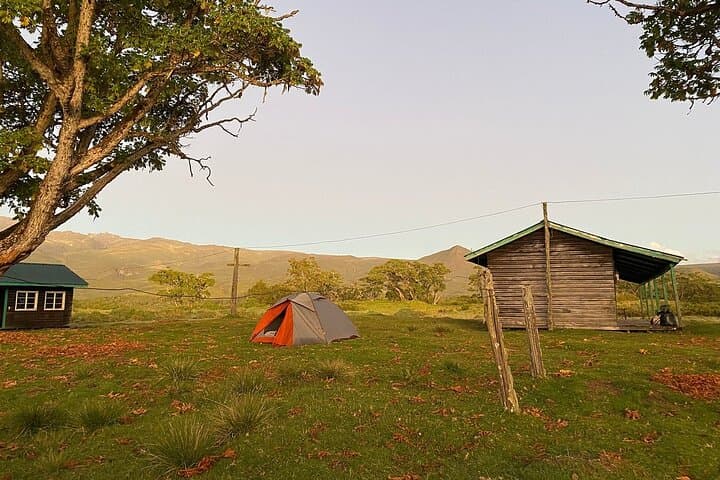
A cold dawn at Old Moses Camp frames the first step: wind nudges the heather, clouds pool in the valley below, and the trail heads upward through montane forest into open moorland. On this four-day traverse from Sirimon to Chogoria, climbers move from shaded bamboo corridors to the high, exposed ridges that define Mount Kenya’s inner alpine zone.
A cold dawn at Old Moses Camp frames the first step: wind nudges the heather, clouds pool in the valley below, and the trail heads upward through montane forest into open moorland. On this four-day traverse from Sirimon to Chogoria, climbers move from shaded bamboo corridors to the high, exposed ridges that define Mount Kenya’s inner alpine zone.
Geology here is raw—ancient volcanic domes carved by glacial ice—so the landscape alternates between volcanic scree, polished moraine, and dolerite pinnacles. The route follows classic Kenyan mountaineering lines: gentle approach on day one, long contouring days through Mackinders Valley, and a pre-dawn scramble to Point Lenana (4,985 m) for sunrise and a possible view of Kilimanjaro on the horizon.
Culturally, the mountain plays a central role for Kikuyu and Meru communities; pastoral land-use and sacred groves influence access and lodge locations near Sirimon and Chogoria gates. Expect to see unique afro-alpine plants—giant lobelia and senecio—and mountain-adapted wildlife like rock hyrax.
Practical edge: acclimatize deliberately, start summit bids around 2–3 a.m., and plan for fast weather swings—sun one hour, sleet the next. Footwear should handle wet scree; layers and a reliable headlamp are non-negotiable. Water treatment and altitude-aware pacing keep the trip safe and enjoyable.
This itinerary suits experienced trekkers comfortable with sustained uphill days and light scrambling; it rewards effort with glaciers, valley panoramas, and the rare experience of high-equatorial alpine terrain.