THE ADVENTURE COLLECTIVE® · Independent discovery and booking for outdoor travel

Mount Toubkal towers over Morocco’s High Atlas at 4,167 meters, offering a challenging two-day climb from Marrakech. Discover what it takes to summit North Africa’s highest peak and experience panoramic views that span the continent’s climatic extremes.
Mount Toubkal towers over Morocco’s High Atlas at 4,167 meters, offering a challenging two-day climb from Marrakech. Discover what it takes to summit North Africa’s highest peak and experience panoramic views that span the continent’s climatic extremes.
Rising sharply above the rugged peaks of Morocco’s High Atlas, Mount Toubkal commands attention at 4,167 meters (13,670 feet), the highest point in North Africa. From the bustling city of Marrakech, the journey unfolds through sharply etched valleys and villages that cling to mountain slopes, delivering adventurers into a stark, windswept landscape that doesn’t yield its grandeur lightly.
Verified experiences and guided adventures in the surrounding area.
Operated by Atlas Trek Explore · Marrakech, Marrakech-Safi
Rising sharply above the rugged peaks of Morocco’s High Atlas, Mount Toubkal commands attention at 4,167 meters (13,670 feet), the highest point in North Africa. From the bustling city of Marrakech, the journey unfolds through sharply etched valleys and villages that cling to mountain slopes, delivering adventurers into a stark, windswept landscape that doesn’t yield its grandeur lightly.
The ascent typically begins before dawn from Imlil, a small town serving as the gateway to this colossal massif. As early morning light spills over the jagged ridges, trekkers follow the south cirque route, where dry scree and rocky outcrops challenge the legs while coaxing the eyes to savor views stretching from the folded spine of the High Atlas to the distant shimmer of the Sahara Desert. The altitude, combined with the rugged terrain, tests endurance but rewards stamina with vistas that frame Morocco’s vast geographic contrasts—from lush plains near Marrakech to arid southern expanses.
Historically, Toubkal has been a pilgrimage peak and a symbolic barrier between climates and cultures. The mountain’s name derives from a Berber word meaning “the mount,” highlighting its cultural significance to local Amazigh communities. The region’s stone-built villages and terraced fields reflect a way of life adapted to a highland environment, blending centuries-old traditions with the demands of modern trekking tourism.
Climbing Mount Toubkal typically spans two days: the first for reaching base camp or the Toubkal refuge, acclimatizing, and preparing for the summit push; the second for the early climb up the scree sidelines, battling altitude and terrain to reach the peak. The elevation gain from refuge to summit is about 960 meters. The trail is steep and uneven, but well-trodden, with natural obstacles that personify the mountain’s stubborn character—loose scree that slides beneath boots, cliffs that loom like sentinels, and winds that push and prod climbers onward.
Practical considerations are key: start before dawn to avoid afternoon weather swings, bring layered clothing for rapidly changing conditions, and carry ample water as the dry air accelerates dehydration. Good hiking boots with solid grip and ankle support are essential, especially on the scree sections. Acclimatization is highly recommended to manage altitude effects, while local guides enhance safety and enrich the experience with cultural insights.
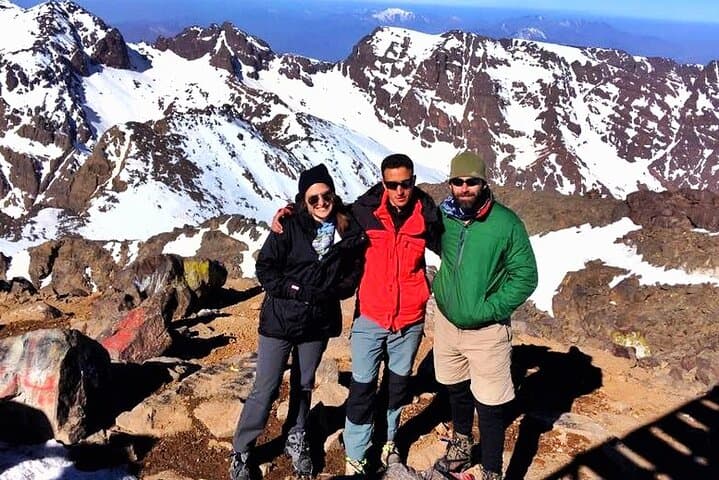
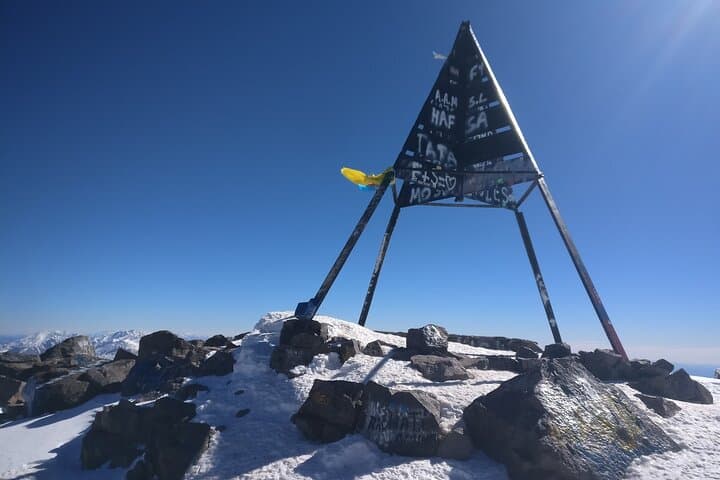
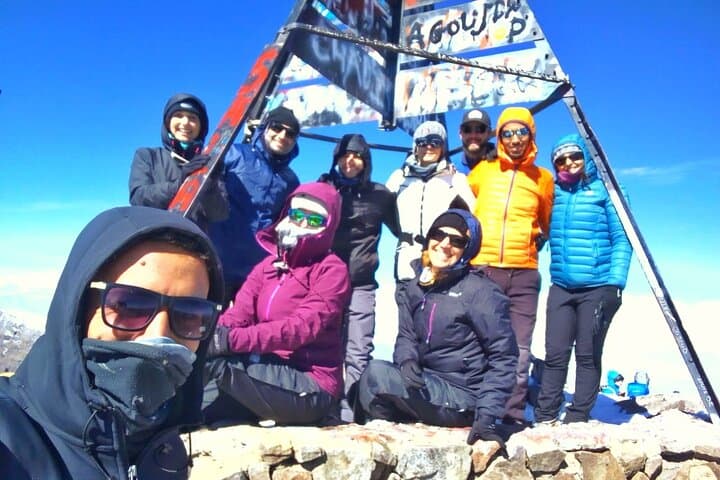
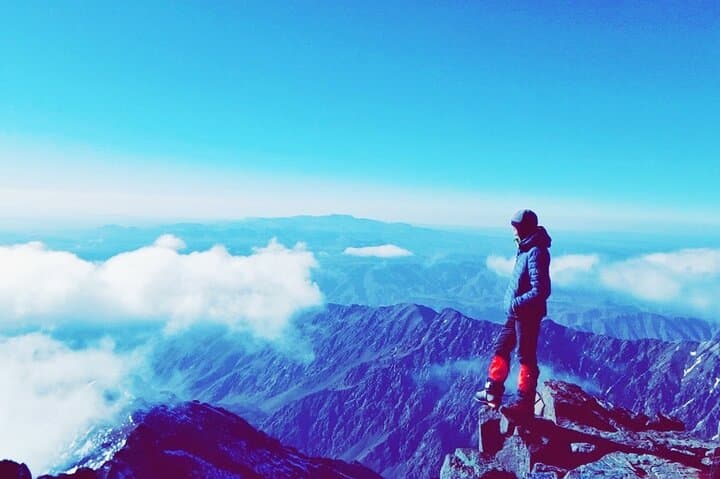
Toubkal’s summit rewards all who reach it with unrestricted views—a panorama that captures the Atlas range’s unforgiving beauty and Morocco’s diverse landscapes. It’s not just a climb but a dialogue between adventurer and mountain, where nature dares you forward, and your determination echoes across the terrain.
difficult.
2 days (approx. 8–10 hours summit day).
Participants should be in good physical shape with experience in multi-hour uphill trekking and some high-altitude exposure.
It is considered a difficult trek due to altitude, steep ascents, and rocky terrain requiring good fitness and hiking experience.
While not mandatory, hiring a local guide is highly recommended for safety, navigation, and cultural insights.
Spring and fall offer the most stable weather and moderate temperatures; summer can be hot at lower elevations, and winter may involve snow and more technical conditions.
Yes, spending at least one night at basecamp helps reduce the risk of altitude sickness on the summit day.
The Toubkal refuge provides shelter, meals, and a resting point, but beyond that, the trail is remote and requires self-sufficiency.
Beginners with reasonable fitness and proper preparation can attempt it, preferably with a guide and extra days for acclimatization.
Mount Toubkal has long been a cultural landmark among Amazigh people, marking the boundary between Mediterranean and Saharan influences in Morocco.
Local trekking initiatives support sustainable tourism, preserving fragile mountain ecosystems and respecting Berber communities’ land.
Atlas Trek Explore operates guided outdoor trips and adventures with an emphasis on safety, stewardship, and memorable experiences.
Rising sharply above the rugged peaks of Morocco’s High Atlas, Mount Toubkal commands attention at 4,167 meters (13,670 feet), the highest point in North Africa. From the bustling city of Marrakech, the journey unfolds through sharply etched valleys and villages that cling to mountain slopes, delivering adventurers into a stark, windswept landscape that doesn’t yield its grandeur lightly.
Rising sharply above the rugged peaks of Morocco’s High Atlas, Mount Toubkal commands attention at 4,167 meters (13,670 feet), the highest point in North Africa. From the bustling city of Marrakech, the journey unfolds through sharply etched valleys and villages that cling to mountain slopes, delivering adventurers into a stark, windswept landscape that doesn’t yield its grandeur lightly.
The ascent typically begins before dawn from Imlil, a small town serving as the gateway to this colossal massif. As early morning light spills over the jagged ridges, trekkers follow the south cirque route, where dry scree and rocky outcrops challenge the legs while coaxing the eyes to savor views stretching from the folded spine of the High Atlas to the distant shimmer of the Sahara Desert. The altitude, combined with the rugged terrain, tests endurance but rewards stamina with vistas that frame Morocco’s vast geographic contrasts—from lush plains near Marrakech to arid southern expanses.
Historically, Toubkal has been a pilgrimage peak and a symbolic barrier between climates and cultures. The mountain’s name derives from a Berber word meaning “the mount,” highlighting its cultural significance to local Amazigh communities. The region’s stone-built villages and terraced fields reflect a way of life adapted to a highland environment, blending centuries-old traditions with the demands of modern trekking tourism.
Climbing Mount Toubkal typically spans two days: the first for reaching base camp or the Toubkal refuge, acclimatizing, and preparing for the summit push; the second for the early climb up the scree sidelines, battling altitude and terrain to reach the peak. The elevation gain from refuge to summit is about 960 meters. The trail is steep and uneven, but well-trodden, with natural obstacles that personify the mountain’s stubborn character—loose scree that slides beneath boots, cliffs that loom like sentinels, and winds that push and prod climbers onward.
Practical considerations are key: start before dawn to avoid afternoon weather swings, bring layered clothing for rapidly changing conditions, and carry ample water as the dry air accelerates dehydration. Good hiking boots with solid grip and ankle support are essential, especially on the scree sections. Acclimatization is highly recommended to manage altitude effects, while local guides enhance safety and enrich the experience with cultural insights.
Toubkal’s summit rewards all who reach it with unrestricted views—a panorama that captures the Atlas range’s unforgiving beauty and Morocco’s diverse landscapes. It’s not just a climb but a dialogue between adventurer and mountain, where nature dares you forward, and your determination echoes across the terrain.