THE ADVENTURE COLLECTIVE® · Independent discovery and booking for outdoor travel

Ascend North Africa’s highest peak with a 2-day trek from Marrakech. Navigate rugged valleys, encounter ancient Berber villages, and stand atop the summit of Jebel Toubkal for unmatched panoramas.
Ascend North Africa’s highest peak with a 2-day trek from Marrakech. Navigate rugged valleys, encounter ancient Berber villages, and stand atop the summit of Jebel Toubkal for unmatched panoramas.
Rising sharply above the arid plains that stretch from Marrakech, the High Atlas Mountains dare adventurers to reach their zenith: Jebel Toubkal, the tallest peak in North Africa at 4,165 meters. This 2-day climb offers a focused ascent, blending rugged landscapes with Berber culture, set against a backdrop of ever-shifting mountain moods.
Verified experiences and guided adventures in the surrounding area.
Operated by Atlas Mountains Day Trip · Imlil, Marrakech-Safi
Rising sharply above the arid plains that stretch from Marrakech, the High Atlas Mountains dare adventurers to reach their zenith: Jebel Toubkal, the tallest peak in North Africa at 4,165 meters. This 2-day climb offers a focused ascent, blending rugged landscapes with Berber culture, set against a backdrop of ever-shifting mountain moods.
Your journey begins with a drive south from Marrakech, as the city’s orange-hued adventurism melts into the stark contours of the Haouz Plain. Passing through Asni, a modest town serving as the gateway to the High Atlas, the road climbs steadily, guiding you to Imlil, the last village before wilderness takes hold. From here, the earth speaks in gravel and stone, the air thins, and a steady rhythm sets in.
The trek ascends through the Mizane Valley, threading past terraced farms and scattered traditional Berber villages such as Aremd. These settlements cling to slopes with a stubborn grace, cultivating corn, potatoes, and walnuts despite the challenging terrain. Crossing mule tracks and a lively river that bounds over stones, the trail unfurls toward the shrine of Sidi Chamarouch—an enclave where pilgrims and tourists alike pause beneath a small waterfall’s persistent flow.
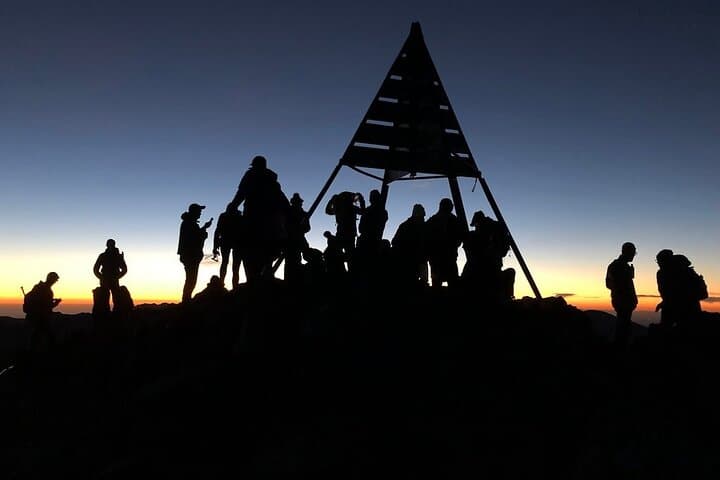
Beyond lies the Toubkal Refuge at 3,206 meters, a sparse mountain hut where mules carry your heavier burdens and Berber cooks prepare nourishing meals. The granite giants above are silent sentinels, coaxing early risers to undertake the summit push before the sun fully claims the sky.
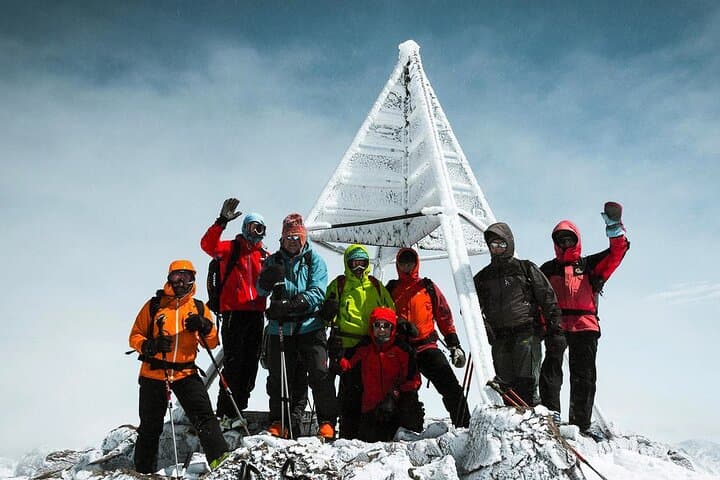
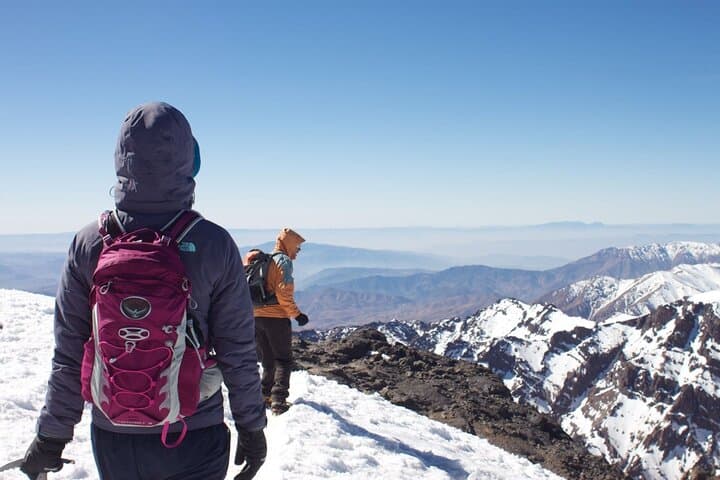
Summit day begins with a steady climb up scree slopes and rocky ridges. The altitude tests endurance, but the view recalibrates effort: sweeping panoramas stretch across the Marrakesh Plain, over the High Atlas range, and reach as far as the Sahara’s edge. Roman scholar Pliny once called these mountains "the most fabulous in Africa," and from this vantage, it’s apparent why.
After soaking in the expansive backdrop, climbers retrace their steps to Imlil for a return to Marrakech.
This climb balances accessibility with challenge—no technical climbing skills are needed, but reasonable fitness and acclimatization are key. The terrain is predominantly rocky and alpine, with elevation changes that demand sturdy footwear and layered clothing.
Plan your ascent for spring through fall when weather conditions support safe passage and camping options at the refuge are available. Hydrate consistently and prepare for rapid weather shifts, as mountain currents can suddenly alter the day’s complexion.
Conquering Toubkal is more than a physical feat—it's an immersion into a living landscape where nature’s austerity meets a centuries-old mountain culture. The mountain invites you to test your limits, rewarded with vistas few places on earth offer.
challenging.
2 days.
Requires good aerobic endurance and the ability to hike 5+ hours with elevation gain over uneven terrain.
No technical climbing skills are required; the route is a strenuous hike with rocky and scree terrain but no specialized gear needed.
Spring to early fall offers the safest weather conditions; winter climbs are possible but require mountaineering experience and equipment.
Yes, camping at the Toubkal Refuge is possible between June and October, though dormitory accommodation is standard.
You should have good aerobic fitness and experience hiking with significant elevation gain over uneven terrain.
Conditions vary from cool to cold depending on altitude and time of day, with the possibility of sudden weather changes including wind and rain.
Meals are included and prepared by Berber muleteers, featuring local ingredients and traditional dishes.
The High Atlas Mountains have been home to Berber communities for centuries, who maintain traditional farming and herding practices in the region.
The area promotes sustainable trekking practices, encouraging travelers to respect wildlife habitats and minimize ecological impact, particularly within the Toubkal National Park.
Atlas Mountains Day Trip operates guided outdoor trips and adventures with an emphasis on safety, stewardship, and memorable experiences.
Rising sharply above the arid plains that stretch from Marrakech, the High Atlas Mountains dare adventurers to reach their zenith: Jebel Toubkal, the tallest peak in North Africa at 4,165 meters. This 2-day climb offers a focused ascent, blending rugged landscapes with Berber culture, set against a backdrop of ever-shifting mountain moods.
Rising sharply above the arid plains that stretch from Marrakech, the High Atlas Mountains dare adventurers to reach their zenith: Jebel Toubkal, the tallest peak in North Africa at 4,165 meters. This 2-day climb offers a focused ascent, blending rugged landscapes with Berber culture, set against a backdrop of ever-shifting mountain moods.
Your journey begins with a drive south from Marrakech, as the city’s orange-hued adventurism melts into the stark contours of the Haouz Plain. Passing through Asni, a modest town serving as the gateway to the High Atlas, the road climbs steadily, guiding you to Imlil, the last village before wilderness takes hold. From here, the earth speaks in gravel and stone, the air thins, and a steady rhythm sets in.
The trek ascends through the Mizane Valley, threading past terraced farms and scattered traditional Berber villages such as Aremd. These settlements cling to slopes with a stubborn grace, cultivating corn, potatoes, and walnuts despite the challenging terrain. Crossing mule tracks and a lively river that bounds over stones, the trail unfurls toward the shrine of Sidi Chamarouch—an enclave where pilgrims and tourists alike pause beneath a small waterfall’s persistent flow.
Beyond lies the Toubkal Refuge at 3,206 meters, a sparse mountain hut where mules carry your heavier burdens and Berber cooks prepare nourishing meals. The granite giants above are silent sentinels, coaxing early risers to undertake the summit push before the sun fully claims the sky.
Summit day begins with a steady climb up scree slopes and rocky ridges. The altitude tests endurance, but the view recalibrates effort: sweeping panoramas stretch across the Marrakesh Plain, over the High Atlas range, and reach as far as the Sahara’s edge. Roman scholar Pliny once called these mountains "the most fabulous in Africa," and from this vantage, it’s apparent why.
After soaking in the expansive backdrop, climbers retrace their steps to Imlil for a return to Marrakech.
This climb balances accessibility with challenge—no technical climbing skills are needed, but reasonable fitness and acclimatization are key. The terrain is predominantly rocky and alpine, with elevation changes that demand sturdy footwear and layered clothing.
Plan your ascent for spring through fall when weather conditions support safe passage and camping options at the refuge are available. Hydrate consistently and prepare for rapid weather shifts, as mountain currents can suddenly alter the day’s complexion.
Conquering Toubkal is more than a physical feat—it's an immersion into a living landscape where nature’s austerity meets a centuries-old mountain culture. The mountain invites you to test your limits, rewarded with vistas few places on earth offer.