THE ADVENTURE COLLECTIVE® · Independent discovery and booking for outdoor travel

A focused two-day trek to Mount Rinjani’s second summit that reaches the crater rim above Segara Anak. Expect steep volcanic trails, cold nights at camp, and sunrise views across Lombok.
A focused two-day trek to Mount Rinjani’s second summit that reaches the crater rim above Segara Anak. Expect steep volcanic trails, cold nights at camp, and sunrise views across Lombok.
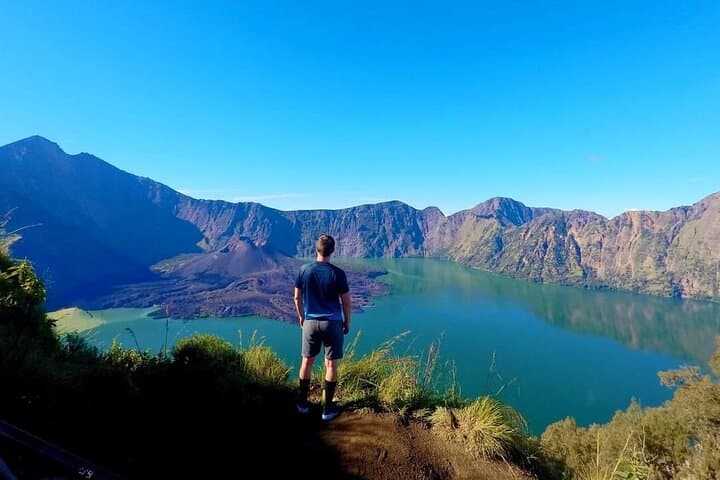
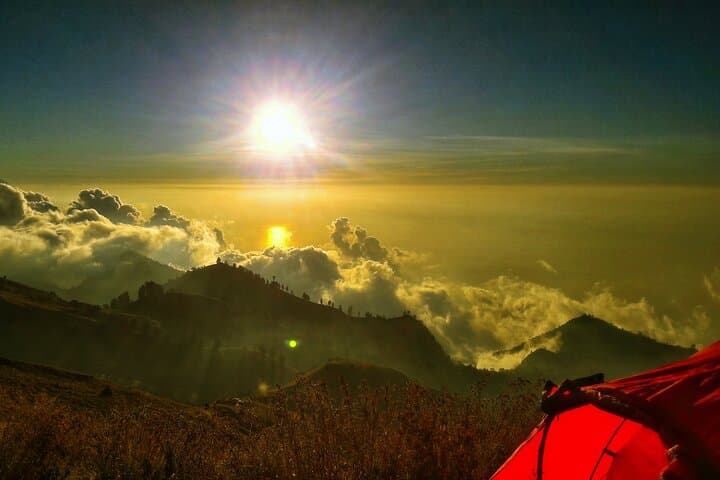
Dawn splits across a volcanic skyline as you step from the camp doorway onto the crater rim — thin air, cold wind, and a lake cut into the volcano’s heart below. The second summit of Mount Rinjani sits at roughly 2,640 meters; this two-day itinerary condenses the island’s raw topography into an achievable overnight trek.
Verified experiences and guided adventures in the surrounding area.
Operated by Rizal trekking - rinjani trekking guide · Senaru, West Nusa Tenggara
Dawn splits across a volcanic skyline as you step from the camp doorway onto the crater rim — thin air, cold wind, and a lake cut into the volcano’s heart below. The second summit of Mount Rinjani sits at roughly 2,640 meters; this two-day itinerary condenses the island’s raw topography into an achievable overnight trek.
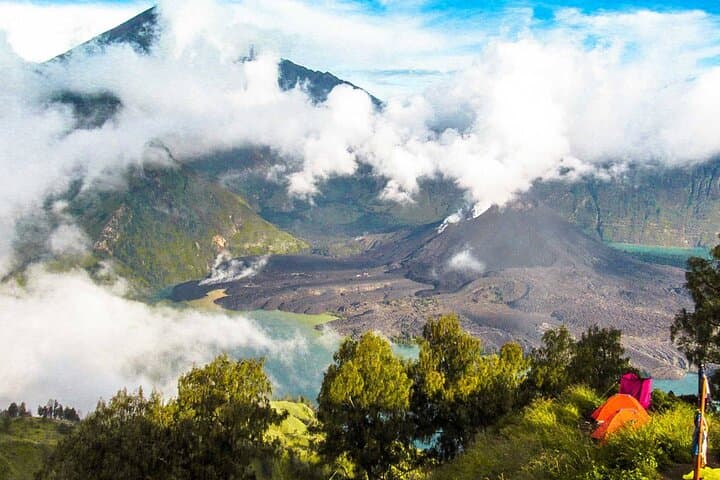
Geology and culture are inseparable here: Rinjani is an active stratovolcano whose last major eruptions shaped the caldera that holds Segara Anak, the deep blue crater lake. The mountain is sacred to the Sasak and Balinese communities; ceremonies and offerings at the lake reflect a living tradition tied to the landscape.
Forested lower slopes give way to sparse alpine scrub and volcanic scree as you climb. Expect clear panoramic views back toward Lombok and, on a good day, the outline of Bali beyond the horizon. Guides and porters manage camps and local logistics; park permits and a Rupiah-based fee support Rinjani National Park stewardship.
Practical guidance: schedule the summit approach for pre-dawn to watch sunrise over the rim, pack layers for temperatures that can drop below freezing at night, and bring a reliable headlamp for early starts. Footwear should handle rocky, uneven trails and some loose volcanic gravel. Hydrate and pace your ascent — altitude and steep pitches reward conservative effort. With experienced guides, the two-day second-summit trek offers both an intense physical goal and a close encounter with one of Indonesia’s most dramatic volcanic landscapes.
challenging.
24–30 hours (2 days).
Good aerobic fitness with experience on sustained uphill hikes; ability to carry a daypack and walk several hours at moderate to steep grades.
The route is physically demanding with sustained climbs and loose volcanic scree; guided groups cater to a range of fitness levels but expect steep sections and high-altitude exposure.
Yes — entry to Rinjani National Park and trekking permits are required and usually handled by the operator or guide.
The driest months are May through September, offering clearer skies and firmer trail conditions; rains (Nov–Mar) bring slick slopes and limited visibility.
At 2,640 m altitude it’s possible; ascend conservatively, stay hydrated, and inform guides of symptoms — they can adjust pace or descent if needed.
Rinjani has shaped Lombok’s culture for centuries; Segara Anak is considered sacred by Sasak communities and hosts periodic offerings and rituals.
Trekking is regulated by Rinjani National Park—stay on trails, pack out waste, and support local guides to reduce environmental impact.
Rizal trekking - rinjani trekking guide operates guided outdoor trips and adventures with an emphasis on safety, stewardship, and memorable experiences.
Dawn splits across a volcanic skyline as you step from the camp doorway onto the crater rim — thin air, cold wind, and a lake cut into the volcano’s heart below. The second summit of Mount Rinjani sits at roughly 2,640 meters; this two-day itinerary condenses the island’s raw topography into an achievable overnight trek.
Dawn splits across a volcanic skyline as you step from the camp doorway onto the crater rim — thin air, cold wind, and a lake cut into the volcano’s heart below. The second summit of Mount Rinjani sits at roughly 2,640 meters; this two-day itinerary condenses the island’s raw topography into an achievable overnight trek.
Geology and culture are inseparable here: Rinjani is an active stratovolcano whose last major eruptions shaped the caldera that holds Segara Anak, the deep blue crater lake. The mountain is sacred to the Sasak and Balinese communities; ceremonies and offerings at the lake reflect a living tradition tied to the landscape.
Forested lower slopes give way to sparse alpine scrub and volcanic scree as you climb. Expect clear panoramic views back toward Lombok and, on a good day, the outline of Bali beyond the horizon. Guides and porters manage camps and local logistics; park permits and a Rupiah-based fee support Rinjani National Park stewardship.
Practical guidance: schedule the summit approach for pre-dawn to watch sunrise over the rim, pack layers for temperatures that can drop below freezing at night, and bring a reliable headlamp for early starts. Footwear should handle rocky, uneven trails and some loose volcanic gravel. Hydrate and pace your ascent — altitude and steep pitches reward conservative effort. With experienced guides, the two-day second-summit trek offers both an intense physical goal and a close encounter with one of Indonesia’s most dramatic volcanic landscapes.