THE ADVENTURE COLLECTIVE® · Independent discovery and booking for outdoor travel

A seven-day Lemosho ascent offers varied terrain—from rainforest to glaciated summit—and emphasizes acclimatization. This practical guide outlines what to expect on the trail, key waypoints and preparation tips to reach Uhuru Peak.
A seven-day Lemosho ascent offers varied terrain—from rainforest to glaciated summit—and emphasizes acclimatization. This practical guide outlines what to expect on the trail, key waypoints and preparation tips to reach Uhuru Peak.
You step out of the 4x4 onto a soft, dripping forest floor—Lemosho Glades—while the mountain looms above, clouds clinging to its western flanks. The first day is a gentle rhythm through rainforest, porters' chatter and a ranger’s quiet watch reminding you that this ascent threads through active wildlife corridors.
Verified experiences and guided adventures in the surrounding area.
Operated by Mountain Warriors Tours and Safaris · Moshi, Kilimanjaro Region
You step out of the 4x4 onto a soft, dripping forest floor—Lemosho Glades—while the mountain looms above, clouds clinging to its western flanks. The first day is a gentle rhythm through rainforest, porters' chatter and a ranger’s quiet watch reminding you that this ascent threads through active wildlife corridors.
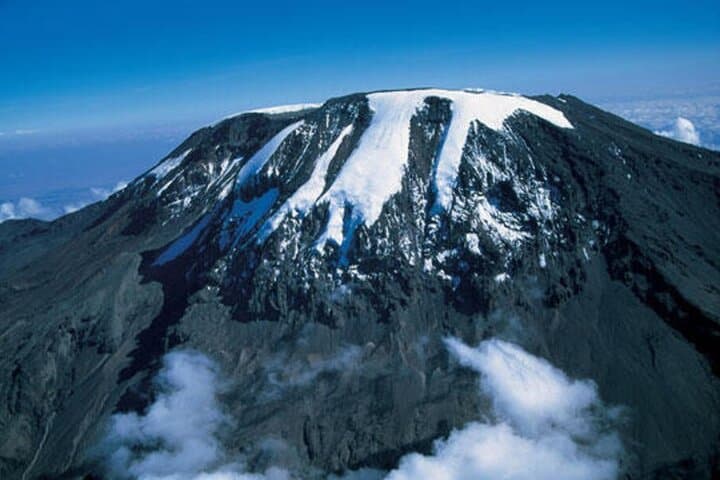
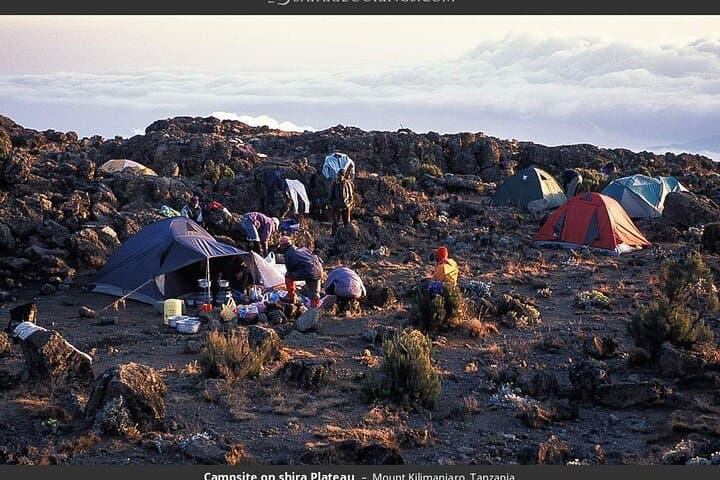
The Lemosho approach traces old lava flows and high moorlands before opening onto the Shira Plateau. Geologically Kilimanjaro is three volcanic cones—Kibo, Mawenzi and Shira—whose eruptions and glacial sculpting created the ridge and scree you'll climb above 4,500 m. Locally the Chagga and Maasai peoples have long regarded the mountain as both a resource and a presence in oral history and seasonal farming cycles.
Expect a mix of terrain: packed forest trails, heather moorland, rocky ridges and high scree. Key waypoints include the Shira Plateau (~3,500 m), Lava Tower (4,600 m), Barranco and Karanga valleys, Barafu Camp (≈4,600 m), Stella Point (5,756 m) and Uhuru Peak (5,895 m). Total trekking distance is roughly 55–65 km depending on exact route choices; daily marches are 4–8 hours with significant altitude gain on summit night.
Practical edge: prioritize gradual pace, hydrate constantly and sleep well on acclimatization days. Gaiters and trekking poles make loose gravel and muddy descents manageable. Guides and porters handle tents, meals and heavy loads; bring layered synthetics, a warm down jacket and a reliable headlamp for the summit push. A seven-day itinerary gives better acclimatization and a higher chance of success than shorter schedules.
challenging.
7 days.
Good aerobic fitness with several months of hiking or cardio training recommended; comfortable on full-day hikes and sustained uphill walks.
Lemosho is favored for acclimatization and scenery; it's non-technical but physically demanding due to daily elevation gain and summit night.
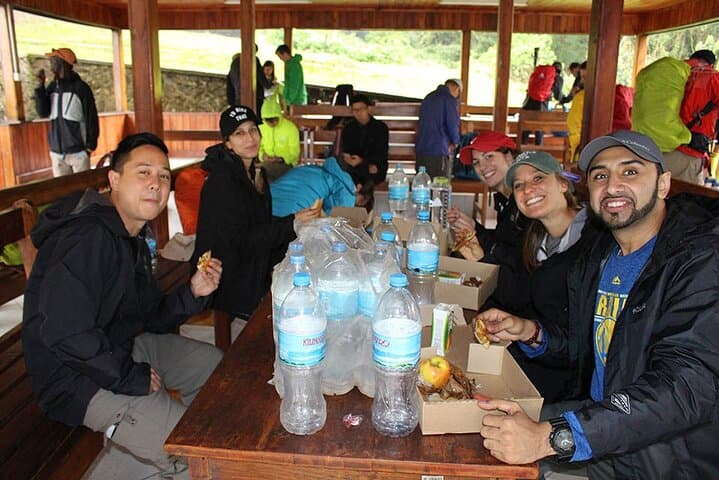
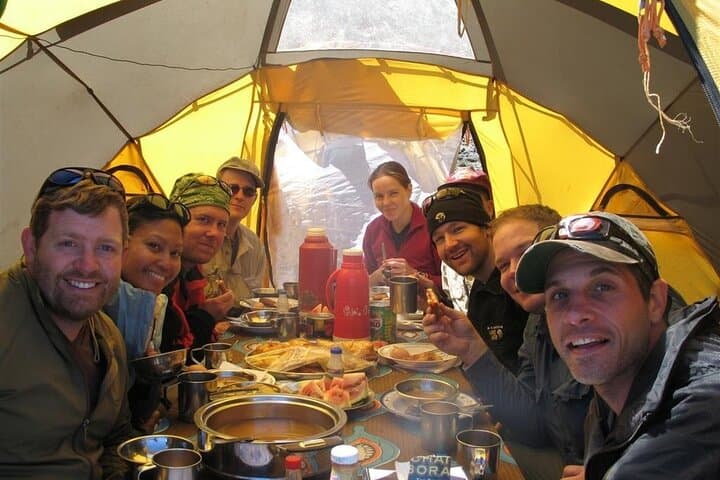
Yes—professional guides, porters, mountain sleeping tents and mess tents are typically included; you'll carry a daypack with essentials.
Park and rescue fees are required for Kilimanjaro climbs and are normally included in reputable tour packages.
Altitude sickness, poor pacing, inadequate acclimatization and adverse weather are the main reasons—following a 7-day itinerary reduces risk.
Kilimanjaro is a composite of volcanic cones shaped by eruptions and glaciation; the mountain features prominently in Chagga culture and regional history.
Kilimanjaro National Park enforces strict waste and campsite rules to protect fragile alpine and moorland habitats; visitors should stick to trails and follow guide instructions.
Mountain Warriors Tours and Safaris operates guided outdoor trips and adventures with an emphasis on safety, stewardship, and memorable experiences.
You step out of the 4x4 onto a soft, dripping forest floor—Lemosho Glades—while the mountain looms above, clouds clinging to its western flanks. The first day is a gentle rhythm through rainforest, porters' chatter and a ranger’s quiet watch reminding you that this ascent threads through active wildlife corridors.
You step out of the 4x4 onto a soft, dripping forest floor—Lemosho Glades—while the mountain looms above, clouds clinging to its western flanks. The first day is a gentle rhythm through rainforest, porters' chatter and a ranger’s quiet watch reminding you that this ascent threads through active wildlife corridors.
The Lemosho approach traces old lava flows and high moorlands before opening onto the Shira Plateau. Geologically Kilimanjaro is three volcanic cones—Kibo, Mawenzi and Shira—whose eruptions and glacial sculpting created the ridge and scree you'll climb above 4,500 m. Locally the Chagga and Maasai peoples have long regarded the mountain as both a resource and a presence in oral history and seasonal farming cycles.
Expect a mix of terrain: packed forest trails, heather moorland, rocky ridges and high scree. Key waypoints include the Shira Plateau (~3,500 m), Lava Tower (4,600 m), Barranco and Karanga valleys, Barafu Camp (≈4,600 m), Stella Point (5,756 m) and Uhuru Peak (5,895 m). Total trekking distance is roughly 55–65 km depending on exact route choices; daily marches are 4–8 hours with significant altitude gain on summit night.
Practical edge: prioritize gradual pace, hydrate constantly and sleep well on acclimatization days. Gaiters and trekking poles make loose gravel and muddy descents manageable. Guides and porters handle tents, meals and heavy loads; bring layered synthetics, a warm down jacket and a reliable headlamp for the summit push. A seven-day itinerary gives better acclimatization and a higher chance of success than shorter schedules.