THE ADVENTURE COLLECTIVE® · Independent discovery and booking for outdoor travel

Six days on the Machame Route takes you from rainforest to Kilimanjaro’s icy crater rim. This guide outlines the terrain, acclimatization-critical itinerary and practical tips for a successful summit push.
Six days on the Machame Route takes you from rainforest to Kilimanjaro’s icy crater rim. This guide outlines the terrain, acclimatization-critical itinerary and practical tips for a successful summit push.
You step out at Machame Gate with mist still clinging to the rainforest; porters tighten loads, and the trail heads upward into green that seems to press against the ridge. The Machame Route quickly moves from mossy trees into wide moorland and then the hard, pale ground of the alpine desert, each zone testing legs and acclimatization in different ways.
Verified experiences and guided adventures in the surrounding area.
Operated by Spirit of Kilimanjaro · Moshi, Kilimanjaro Region
You step out at Machame Gate with mist still clinging to the rainforest; porters tighten loads, and the trail heads upward into green that seems to press against the ridge. The Machame Route quickly moves from mossy trees into wide moorland and then the hard, pale ground of the alpine desert, each zone testing legs and acclimatization in different ways.
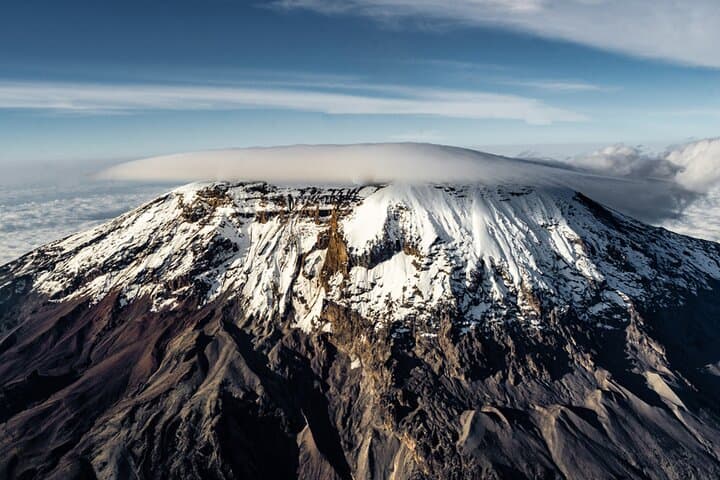
Geologically Kibo is a dormant stratovolcano crowned by an ice cap sculpted by eruptions and glacial retreat. Culturally the slopes are Chagga country — villages, banana terraces and local guides who carry knowledge of routes, weather and mountain etiquette. The hike visits the Shira Plateau, Lava Tower (an important acclimatization landmark), the Barranco Wall and the high camp at Barafu before a midnight push to Uhuru Peak.
Practically: the itinerary covers roughly 60–70 km over six days with gain from ~1,800 m to near 5,895 m (summit). Expect mixed terrain: muddy rainforest tracks, rocky ridge walks, scree fields on the summit approach and cold, windy conditions above 4,000 m. Summit day typically leaves between midnight and 2 a.m.; pacing and hydration matter more than speed. Acclimatization days (Lava Tower/Barranco) are critical — they’re designed to help your body adapt.
Plan layered clothing, break-in boots, poles and 3–4 liters of daily water. Respect porter welfare, follow guides’ pace, and be vigilant for altitude symptoms. The Machame Route rewards persistence with varied scenery and a hard-won sunrise from the crater rim.
challenging.
6 days.
Good aerobic fitness with multi-day hiking experience; able to carry a daypack for 6+ hours and tolerate steep ascents.
Machame is considered more challenging than Marangu due to steeper, longer days and camping logistics, but it offers better acclimatization and scenery.
No technical climbing is required—routes are non-technical hiking, but the altitude and scree sections demand stamina and good footwear.
June–October and January–February are the driest and most reliable for good summit weather; shoulder months can work but expect more rain.
Acute mountain sickness can affect any climber; follow a slow ascent profile, stay hydrated, report symptoms early and rely on guides for decisions.
Kilimanjaro’s slopes are home to the Chagga people; the mountain’s volcanic cones formed over hundreds of thousands of years, with prehistoric glaciers shaping the summit area.
The alpine zone is fragile—keep to trails, carry out waste and use certified operators who follow porter welfare and park regulations.
Spirit of Kilimanjaro operates guided outdoor trips and adventures with an emphasis on safety, stewardship, and memorable experiences.



You step out at Machame Gate with mist still clinging to the rainforest; porters tighten loads, and the trail heads upward into green that seems to press against the ridge. The Machame Route quickly moves from mossy trees into wide moorland and then the hard, pale ground of the alpine desert, each zone testing legs and acclimatization in different ways.
You step out at Machame Gate with mist still clinging to the rainforest; porters tighten loads, and the trail heads upward into green that seems to press against the ridge. The Machame Route quickly moves from mossy trees into wide moorland and then the hard, pale ground of the alpine desert, each zone testing legs and acclimatization in different ways.
Geologically Kibo is a dormant stratovolcano crowned by an ice cap sculpted by eruptions and glacial retreat. Culturally the slopes are Chagga country — villages, banana terraces and local guides who carry knowledge of routes, weather and mountain etiquette. The hike visits the Shira Plateau, Lava Tower (an important acclimatization landmark), the Barranco Wall and the high camp at Barafu before a midnight push to Uhuru Peak.
Practically: the itinerary covers roughly 60–70 km over six days with gain from ~1,800 m to near 5,895 m (summit). Expect mixed terrain: muddy rainforest tracks, rocky ridge walks, scree fields on the summit approach and cold, windy conditions above 4,000 m. Summit day typically leaves between midnight and 2 a.m.; pacing and hydration matter more than speed. Acclimatization days (Lava Tower/Barranco) are critical — they’re designed to help your body adapt.
Plan layered clothing, break-in boots, poles and 3–4 liters of daily water. Respect porter welfare, follow guides’ pace, and be vigilant for altitude symptoms. The Machame Route rewards persistence with varied scenery and a hard-won sunrise from the crater rim.