THE ADVENTURE COLLECTIVE® · Independent discovery and booking for outdoor travel

Take a full-day high-altitude climb on Mateo in the Cordillera Blanca, starting and ending in Huaraz. This guided ascent mixes moraine approaches and glacier travel—expect crampons, roped travel, and expansive Andean views.
Take a full-day high-altitude climb on Mateo in the Cordillera Blanca, starting and ending in Huaraz. This guided ascent mixes moraine approaches and glacier travel—expect crampons, roped travel, and expansive Andean views.
Before sunrise the Cordillera Blanca loosens its hold on night. A van rolls onto a gravel track, breath steaming in the thin air, and climbers step toward a moraine that guards the start of the glacier. The ridge of Mateo rises in shards above—rock, ice and wind shaping the route ahead—and the guide checks crampons and ropes with a calm that steadies the group.
Verified experiences and guided adventures in the surrounding area.
Operated by IZI PERU · Huaraz, Ancash
Before sunrise the Cordillera Blanca loosens its hold on night. A van rolls onto a gravel track, breath steaming in the thin air, and climbers step toward a moraine that guards the start of the glacier. The ridge of Mateo rises in shards above—rock, ice and wind shaping the route ahead—and the guide checks crampons and ropes with a calm that steadies the group.
The peak sits within the range carved by repeated glaciation; granite and schist tell a recent geological story, while nearby Quechua communities have worked these valleys for centuries. Huaraz is the pragmatic gateway—markets hum with coca leaves and gear shops—and local guides combine traditional mountain knowledge with modern alpine technique.
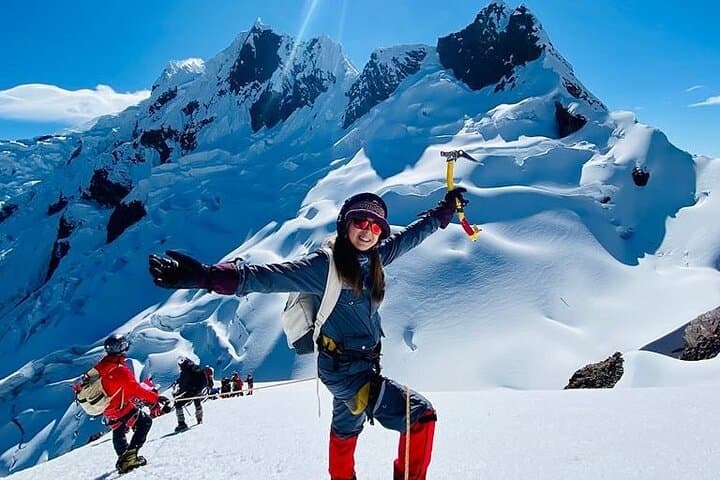
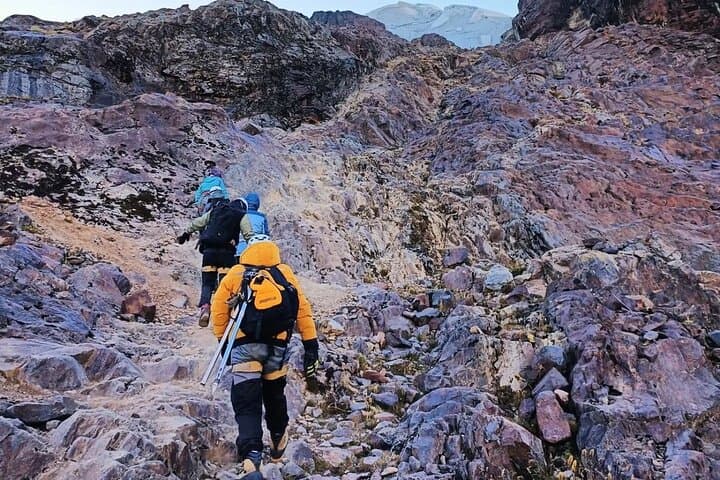
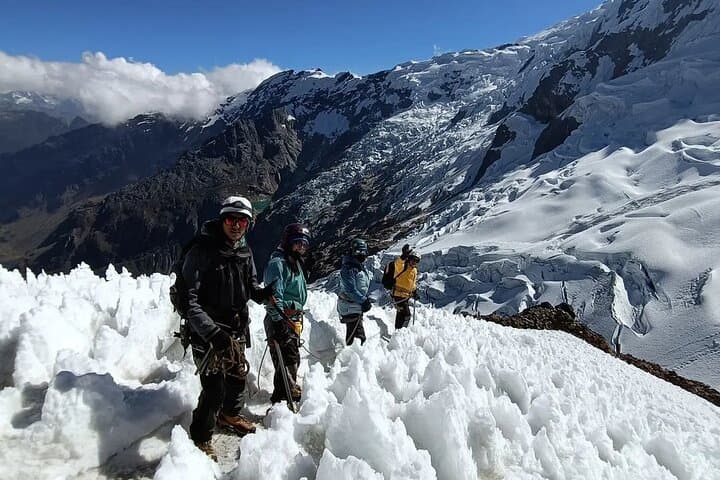
On this full-day climb expect mixed terrain: rocky approaches, a steep moraine, then glacier travel where crampons and roped team movement are required. Weather can shift quickly; afternoons often bring clouds and wind that test judgment. The reward is broad: sweeping views of neighboring summits and the valley that seems to pull the eye back to Huaraz.
Practical edge: the trip is a high-altitude climb—preparedness matters. Hydrate the day before, eat carbohydrate-rich breakfast, and move deliberately on the glacier to conserve energy. Wear layered technical clothing, bring a sun-hardened face, and follow guide instructions for roped sections and crampon techniques. The itinerary typically includes hotel pickup, a 1–2 hour approach, glacier ascent with equipment provided, summit time for photos, and a guided descent back to Huaraz. Expect a long but achievable day for climbers with moderate to strong fitness and some prior alpine experience.
challenging.
10–12 hours.
Good aerobic fitness and prior experience at altitude or with sustained uphill efforts; ability to move steadily for long periods.
You should have good aerobic fitness and experience with long days of uphill trekking; previous altitude exposure helps but is not strictly required.
Guides typically supply technical gear like harnesses, ropes, crampons and helmets, but confirm boot and clothing requirements before booking.
Guides carry basic first-aid and will descend anyone showing concerning symptoms; rest, hydration and descent are the primary treatments.
Schedules may change if conditions are unsafe; note this operator’s policy is all sales final, so confirm contingencies and travel insurance before booking.
The Cordillera Blanca has been shaped by repeated glaciations and has long supported highland Quechua communities who trade, herd and guide in these valleys.
Glacier retreat and tourist pressure are ongoing issues; stick to marked routes, pack out waste, and use local guiding companies that support sustainable practices.
IZI PERU operates guided outdoor trips and adventures with an emphasis on safety, stewardship, and memorable experiences.
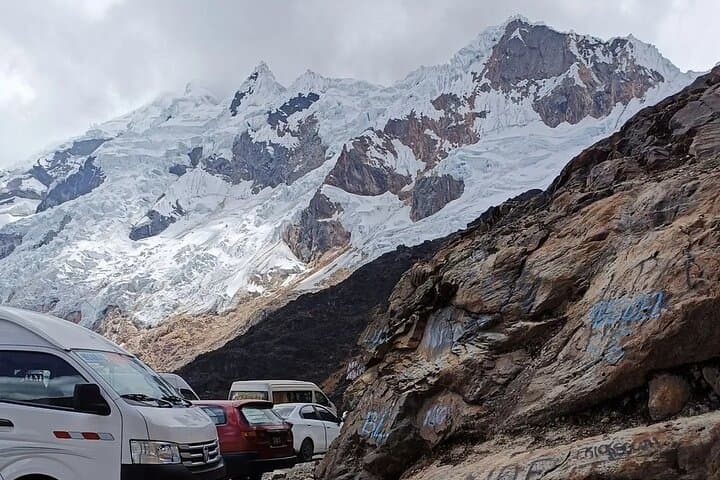
Before sunrise the Cordillera Blanca loosens its hold on night. A van rolls onto a gravel track, breath steaming in the thin air, and climbers step toward a moraine that guards the start of the glacier. The ridge of Mateo rises in shards above—rock, ice and wind shaping the route ahead—and the guide checks crampons and ropes with a calm that steadies the group.
Before sunrise the Cordillera Blanca loosens its hold on night. A van rolls onto a gravel track, breath steaming in the thin air, and climbers step toward a moraine that guards the start of the glacier. The ridge of Mateo rises in shards above—rock, ice and wind shaping the route ahead—and the guide checks crampons and ropes with a calm that steadies the group.
The peak sits within the range carved by repeated glaciation; granite and schist tell a recent geological story, while nearby Quechua communities have worked these valleys for centuries. Huaraz is the pragmatic gateway—markets hum with coca leaves and gear shops—and local guides combine traditional mountain knowledge with modern alpine technique.
On this full-day climb expect mixed terrain: rocky approaches, a steep moraine, then glacier travel where crampons and roped team movement are required. Weather can shift quickly; afternoons often bring clouds and wind that test judgment. The reward is broad: sweeping views of neighboring summits and the valley that seems to pull the eye back to Huaraz.
Practical edge: the trip is a high-altitude climb—preparedness matters. Hydrate the day before, eat carbohydrate-rich breakfast, and move deliberately on the glacier to conserve energy. Wear layered technical clothing, bring a sun-hardened face, and follow guide instructions for roped sections and crampon techniques. The itinerary typically includes hotel pickup, a 1–2 hour approach, glacier ascent with equipment provided, summit time for photos, and a guided descent back to Huaraz. Expect a long but achievable day for climbers with moderate to strong fitness and some prior alpine experience.