THE ADVENTURE COLLECTIVE® · Independent discovery and booking for outdoor travel

A four-day guided trek from Injasuthi to the summit of Mafadi (3,465 m), combining rugged high-country hiking, overnight camps, and porter-supported logistics. Expect long approaches, rocky terrain, and sweeping summit views.
A four-day guided trek from Injasuthi to the summit of Mafadi (3,465 m), combining rugged high-country hiking, overnight camps, and porter-supported logistics. Expect long approaches, rocky terrain, and sweeping summit views.
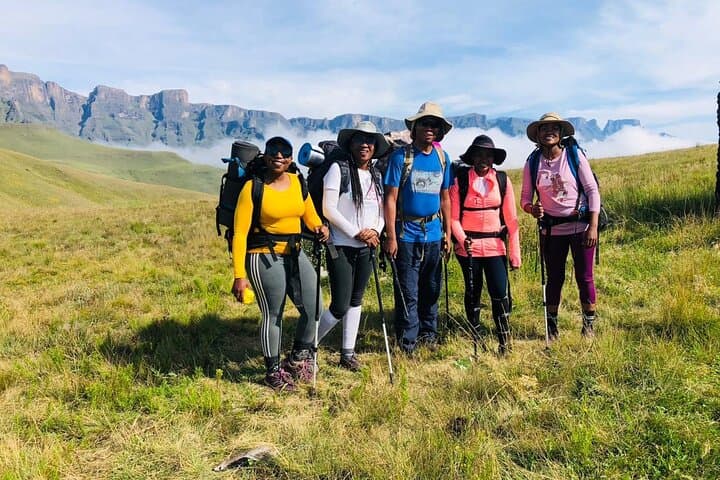
Dawn in the Drakensberg cuts a clean line across the valley as a small group gathers at the Injasuthi office. Cold air nips at exposed skin while headlamps pick out cairns and the wet sheen of a morning track; the mountains seem to wake and press forward, daring each hiker to match their pace.
Verified experiences and guided adventures in the surrounding area.
Operated by Buya Africa · Underberg, KwaZulu-Natal
Dawn in the Drakensberg cuts a clean line across the valley as a small group gathers at the Injasuthi office. Cold air nips at exposed skin while headlamps pick out cairns and the wet sheen of a morning track; the mountains seem to wake and press forward, daring each hiker to match their pace.
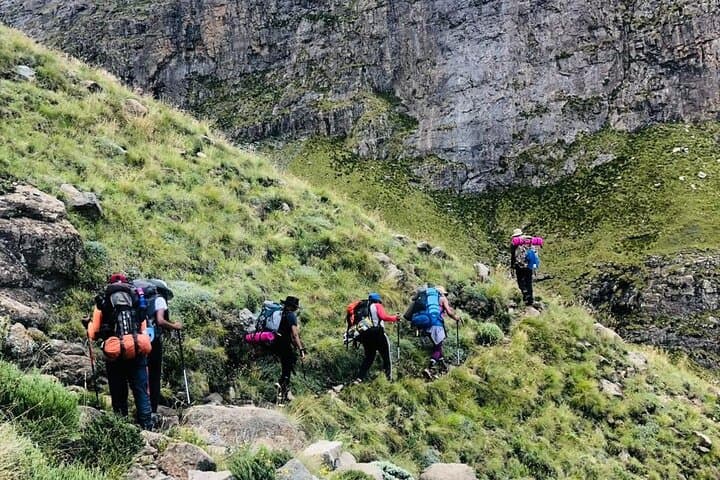
This four-day itinerary threads historic shepherd paths and basalt cliffs en route to Mafadi — the highest point on South Africa’s side of the range at 3,465 m. The Drakensberg’s geology is a stark reading of basalt flows over sandstone, sculpted into buttresses and gullies that channel wind and water. Local Zulu and Basotho communities have used these passes for centuries; rock art and old sheepherding routes still mark human presence.
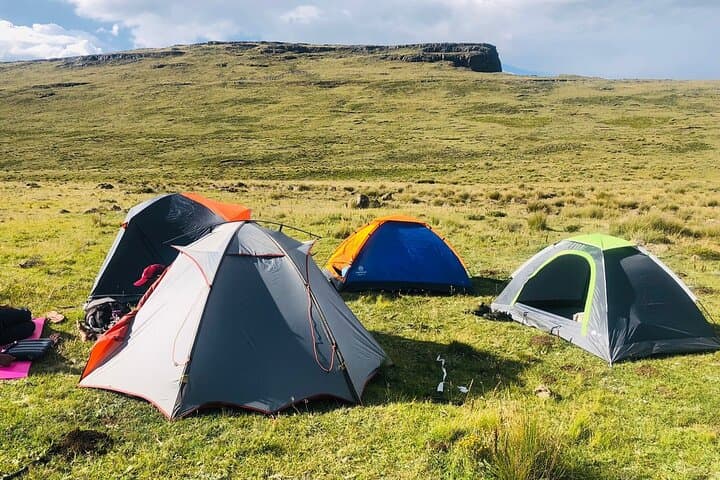
Practically, expect variable weather, rocky boot-eating terrain, and long, steady climbs: Day 2 includes an 18 km approach to Mafadi base camp. Nights are in provided tents at Centenary Hut and base camp, with porter support and communal meals.
Plan for early starts, high-calorie snacks, and steady hydration; the summit day is long and exposed, with loose scree and steep steps. Footwear with firm ankle support and a waterproof outer layer matter as much as stamina. Guides handle route-finding and camp logistics, but hikers should be comfortable carrying a daypack and walking 6–10 hours on uneven ground.
Return timing is flexible but expect a full final-day descent. The reward is the view from Mafadi: a raw horizon that makes effort feel earned, and a night sky that remembers every step taken below.
challenging.
4 days.
Good aerobic fitness with experience doing sustained day hikes carrying a light daypack; able to handle multiple 6–10 hour hiking days.
Participants should have good cardiovascular fitness and experience with full-day hikes; the trip includes long uphill approaches and a summit day to 3,465 m.
No specialized climbing equipment is required for the normal route; sturdy boots, poles, and careful footing on scree are the primary needs.
Access is through Injasuthi Nature Reserve which requires registration and park fees; the operator handles permits and camp reservations included in the trip.
Mafadi’s altitude can affect some hikers—ascend steadily, stay hydrated, and communicate any symptoms to guides; acclimatization via the multi-day itinerary helps reduce risk.
The Drakensberg routes have long been used by local Basotho and Zulu communities for trade and grazing; stone shelters and traces of pastoral use dot the highlands.
The area is managed to protect sensitive alpine grasslands and water catchments; stick to established paths and camp in designated spots to minimize impact.
Buya Africa operates guided outdoor trips and adventures with an emphasis on safety, stewardship, and memorable experiences.
Dawn in the Drakensberg cuts a clean line across the valley as a small group gathers at the Injasuthi office. Cold air nips at exposed skin while headlamps pick out cairns and the wet sheen of a morning track; the mountains seem to wake and press forward, daring each hiker to match their pace.
Dawn in the Drakensberg cuts a clean line across the valley as a small group gathers at the Injasuthi office. Cold air nips at exposed skin while headlamps pick out cairns and the wet sheen of a morning track; the mountains seem to wake and press forward, daring each hiker to match their pace.
This four-day itinerary threads historic shepherd paths and basalt cliffs en route to Mafadi — the highest point on South Africa’s side of the range at 3,465 m. The Drakensberg’s geology is a stark reading of basalt flows over sandstone, sculpted into buttresses and gullies that channel wind and water. Local Zulu and Basotho communities have used these passes for centuries; rock art and old sheepherding routes still mark human presence.
Practically, expect variable weather, rocky boot-eating terrain, and long, steady climbs: Day 2 includes an 18 km approach to Mafadi base camp. Nights are in provided tents at Centenary Hut and base camp, with porter support and communal meals.
Plan for early starts, high-calorie snacks, and steady hydration; the summit day is long and exposed, with loose scree and steep steps. Footwear with firm ankle support and a waterproof outer layer matter as much as stamina. Guides handle route-finding and camp logistics, but hikers should be comfortable carrying a daypack and walking 6–10 hours on uneven ground.
Return timing is flexible but expect a full final-day descent. The reward is the view from Mafadi: a raw horizon that makes effort feel earned, and a night sky that remembers every step taken below.