THE ADVENTURE COLLECTIVE® · Independent discovery and booking for outdoor travel

The Machame Route is Kilimanjaro’s cinematic climb: rainforest, alpine desert and a midnight summit push that rewards sunrise views from Uhuru Peak. This six-day, tented itinerary balances tough miles with smart acclimatization and local support crews.
The Machame Route is Kilimanjaro’s cinematic climb: rainforest, alpine desert and a midnight summit push that rewards sunrise views from Uhuru Peak. This six-day, tented itinerary balances tough miles with smart acclimatization and local support crews.
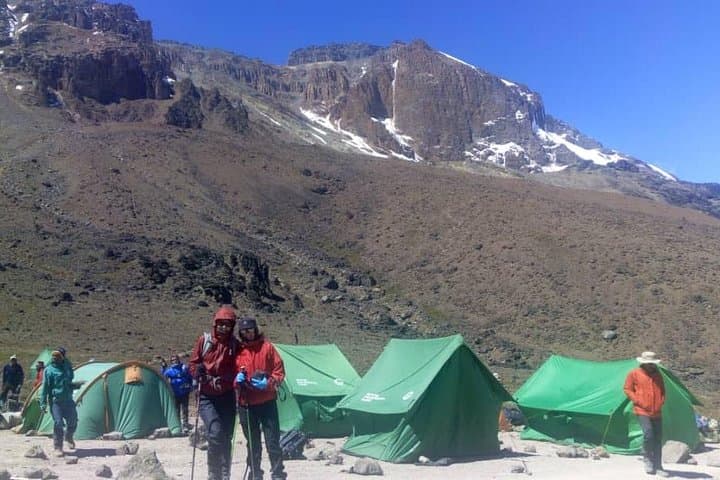
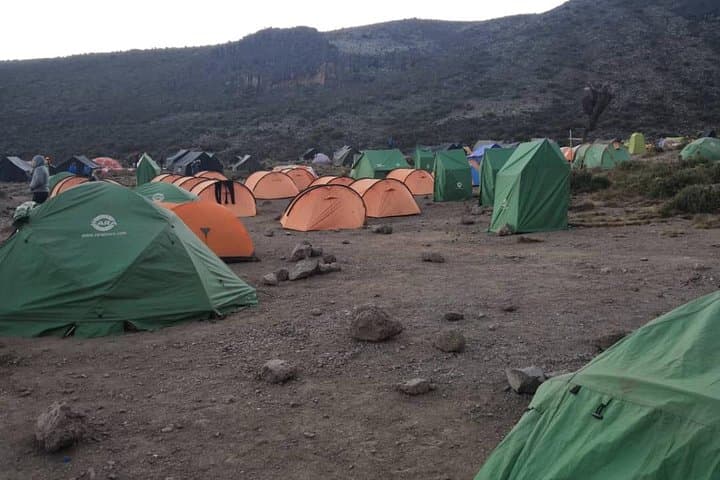
You step off the minibus into a cool, moss-scented air and feel the mountain already working on you—its slopes rising in layered bands of forest, moorland and rock like pages in a weathered ledger. On the Machame Route every step changes the view: towering heather give way to a windswept Shira Plateau, Lava Tower looms like a geological punctuation mark, and the Barranco Wall presses a dramatic vertical face against the late-afternoon light. At night the porters pitch tents beneath a sky that declares the altitude with pinprick stars. This is not a walk in the park; it’s a carefully staged conversation with altitude, weather, and stamina.
Verified experiences and guided adventures in the surrounding area.
Operated by ZARA TOURS · Moshi, Kilimanjaro Region
You step off the minibus into a cool, moss-scented air and feel the mountain already working on you—its slopes rising in layered bands of forest, moorland and rock like pages in a weathered ledger. On the Machame Route every step changes the view: towering heather give way to a windswept Shira Plateau, Lava Tower looms like a geological punctuation mark, and the Barranco Wall presses a dramatic vertical face against the late-afternoon light. At night the porters pitch tents beneath a sky that declares the altitude with pinprick stars. This is not a walk in the park; it’s a carefully staged conversation with altitude, weather, and stamina.
Kilimanjaro’s east face is an ancient volcanic complex—the summit, Kibo, is a dormant cone ringed by glacier-worn craters. The Machame Route, known locally as the Whiskey Route, was developed for trekkers who want varied terrain and superior views; unlike the Marangu huts it uses tents, which keeps the route flexible and remote. The mountain sits at the intersection of East African culture and Chagga agricultural life—Moshi, the base town, supplies guides, porters, and the hospitality that sustains climbs here.
Geologically the route is a study in transitions: montane rainforest gives way to heath and moor, then to alpine desert where rock and scree rule. Those shifts are useful for acclimatization if treated with patience—Lava Tower’s climb and descent is a classic gain-and-drop used to prepare lungs and blood for the summit push. Culturally, the climbing economy is centered on small crews—guides, cooks, and porters—whose knowledge of the mountain is essential; tipping is customary and supports local livelihoods.
Practically, this six-day itinerary demands steady legs and a plan for altitude. Expect long days—up to seven hours on approach days and a gruelling midnight start for the summit. Layers and a warm sleeping system are mandatory; hydration and slow pacing are your simplest altitude tools. The operators provide tents, mattresses, meals, boiled drinking water, rescue fees and oxygen-level monitoring equipment like pulse oximeters, but personal gear and sensible physical preparation are non-negotiable.
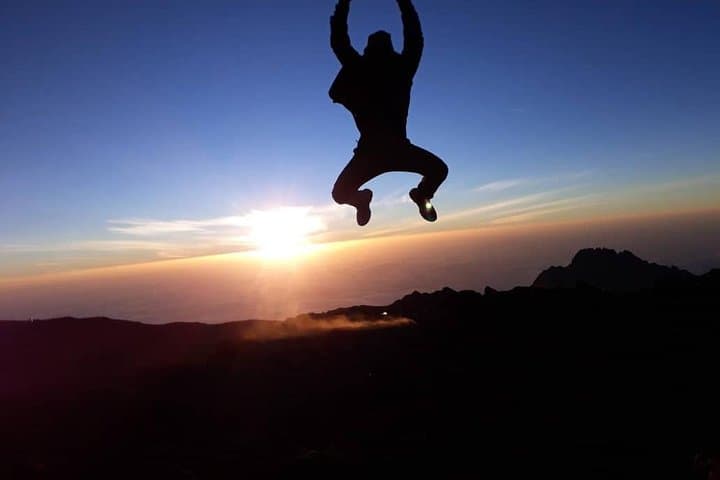
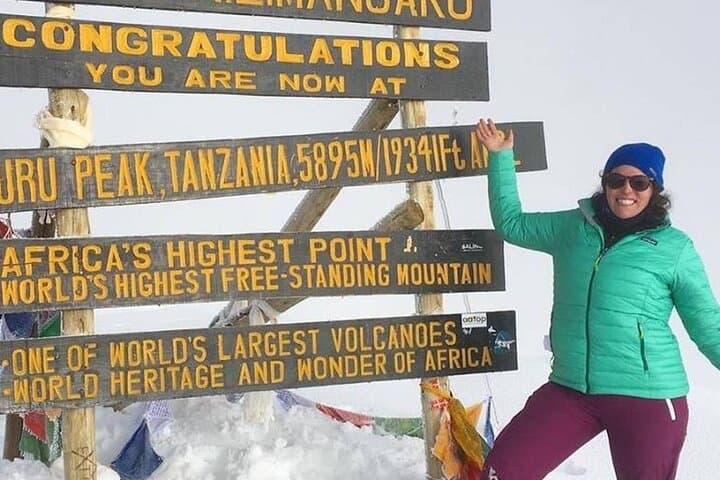
On summit night, move deliberately: short steps, warm fluids, and strict group pacing make the difference between reaching Uhuru Peak at sunrise and turning back. After the summit, the descent to Mweka washes the trip with forest sights and the relief of a warm shower back in Moshi. Whether you aspire to a gold summit certificate or a tough, scenic adventure, the Machame Route delivers exposure, varied terrain and a high-altitude education—if you give it respect and preparation.
challenging.
6 days (approx. 6 days total).
Require good cardiovascular fitness and leg strength; regular hill training and long hikes with a pack recommended
Machame is more strenuous than Marangu because it’s longer and uses tents, but it offers better views and acclimatization if you stick to the schedule.
Yes—this itinerary includes guides, porters and a cook; porters carry most gear and the crew will pitch tents and prepare meals.
Prior high-altitude experience is helpful but not mandatory; solid fitness and respect for acclimatization protocols are essential.
Routine travel vaccinations and yellow fever/vaccination checks may be recommended; consult a travel clinic for current advice and altitude sickness prevention options.
Dry months (June–October and January–February) generally offer more stable weather and clearer summit views, though climbs are possible year-round.
Guides prioritize safety—if you turn back you’ll still descend with the group, receive care, and may be eligible for a certificate noting your highest point (e.g., Stella Point).
Kilimanjaro is a dormant volcanic massif with human history tied to Chagga farming communities on its lower slopes and early European botanical exploration in the 19th century.
Park rules limit camping to designated sites and require guides to manage camps; tipping policies support local crews, and sticking to trails protects fragile alpine vegetation.
ZARA TOURS operates guided outdoor trips and adventures with an emphasis on safety, stewardship, and memorable experiences.
You step off the minibus into a cool, moss-scented air and feel the mountain already working on you—its slopes rising in layered bands of forest, moorland and rock like pages in a weathered ledger. On the Machame Route every step changes the view: towering heather give way to a windswept Shira Plateau, Lava Tower looms like a geological punctuation mark, and the Barranco Wall presses a dramatic vertical face against the late-afternoon light. At night the porters pitch tents beneath a sky that declares the altitude with pinprick stars. This is not a walk in the park; it’s a carefully staged conversation with altitude, weather, and stamina.
You step off the minibus into a cool, moss-scented air and feel the mountain already working on you—its slopes rising in layered bands of forest, moorland and rock like pages in a weathered ledger. On the Machame Route every step changes the view: towering heather give way to a windswept Shira Plateau, Lava Tower looms like a geological punctuation mark, and the Barranco Wall presses a dramatic vertical face against the late-afternoon light. At night the porters pitch tents beneath a sky that declares the altitude with pinprick stars. This is not a walk in the park; it’s a carefully staged conversation with altitude, weather, and stamina.
Kilimanjaro’s east face is an ancient volcanic complex—the summit, Kibo, is a dormant cone ringed by glacier-worn craters. The Machame Route, known locally as the Whiskey Route, was developed for trekkers who want varied terrain and superior views; unlike the Marangu huts it uses tents, which keeps the route flexible and remote. The mountain sits at the intersection of East African culture and Chagga agricultural life—Moshi, the base town, supplies guides, porters, and the hospitality that sustains climbs here.
Geologically the route is a study in transitions: montane rainforest gives way to heath and moor, then to alpine desert where rock and scree rule. Those shifts are useful for acclimatization if treated with patience—Lava Tower’s climb and descent is a classic gain-and-drop used to prepare lungs and blood for the summit push. Culturally, the climbing economy is centered on small crews—guides, cooks, and porters—whose knowledge of the mountain is essential; tipping is customary and supports local livelihoods.
Practically, this six-day itinerary demands steady legs and a plan for altitude. Expect long days—up to seven hours on approach days and a gruelling midnight start for the summit. Layers and a warm sleeping system are mandatory; hydration and slow pacing are your simplest altitude tools. The operators provide tents, mattresses, meals, boiled drinking water, rescue fees and oxygen-level monitoring equipment like pulse oximeters, but personal gear and sensible physical preparation are non-negotiable.
On summit night, move deliberately: short steps, warm fluids, and strict group pacing make the difference between reaching Uhuru Peak at sunrise and turning back. After the summit, the descent to Mweka washes the trip with forest sights and the relief of a warm shower back in Moshi. Whether you aspire to a gold summit certificate or a tough, scenic adventure, the Machame Route delivers exposure, varied terrain and a high-altitude education—if you give it respect and preparation.