THE ADVENTURE COLLECTIVE® · Independent discovery and booking for outdoor travel

A demanding 6-day ascent via the Umbwe Route that tests fitness and resolve. Expect steep ridgelines, dense montane forest, exposed alpine desert, and a midnight summit push to Uhuru Peak.
A demanding 6-day ascent via the Umbwe Route that tests fitness and resolve. Expect steep ridgelines, dense montane forest, exposed alpine desert, and a midnight summit push to Uhuru Peak.
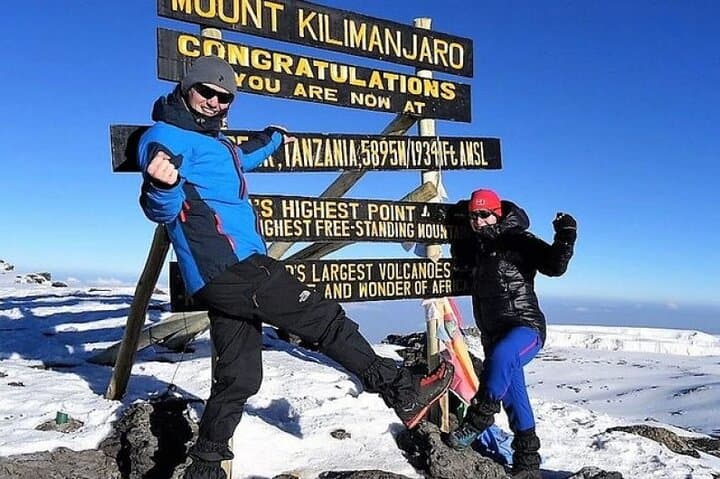
You stand at Umbwe Gate (1,800 m) with forest pressing in on either side and a ridge trail that vanishes into green. The Umbwe Route throws itself up the southern flank of Kibo with almost relentless pitches—dense montane canopy gives way to moorland, then a wind-scoured alpine desert that leaves you exposed to the sky and the mountain's mood. Nights are cold and the summit push begins in darkness, a slow shuffle toward Stella Point and then Uhuru Peak (5,895 m).
Verified experiences and guided adventures in the surrounding area.
Operated by CLIFF AFRICA ADVENTURE · Moshi, Kilimanjaro Region
You stand at Umbwe Gate (1,800 m) with forest pressing in on either side and a ridge trail that vanishes into green. The Umbwe Route throws itself up the southern flank of Kibo with almost relentless pitches—dense montane canopy gives way to moorland, then a wind-scoured alpine desert that leaves you exposed to the sky and the mountain's mood. Nights are cold and the summit push begins in darkness, a slow shuffle toward Stella Point and then Uhuru Peak (5,895 m).
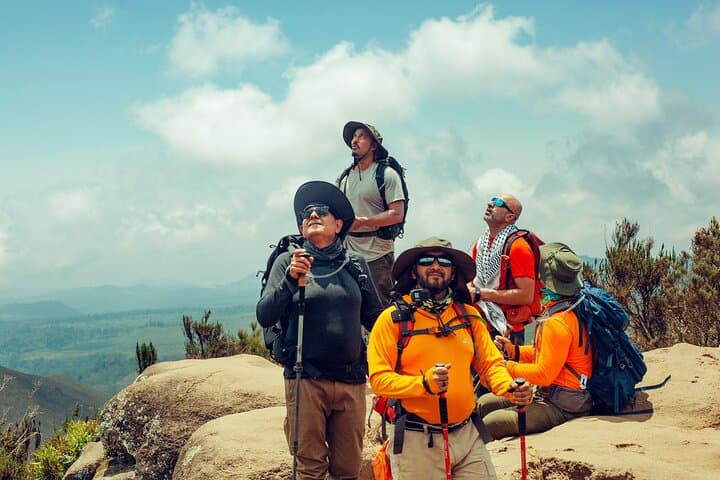
Kilimanjaro is a freestanding volcanic massif: volcanic cones, ancient lava flows and a shrinking ice cap tell a geological story of fire and slow erosion. The mountain is central to Chagga culture; routes like Umbwe were once paths between highland communities and lower forest villages. Expect to cross montane forest inhabited by blue monkeys and hear rock hyrax on the scree slopes as crews and guides manage logistics and safety.
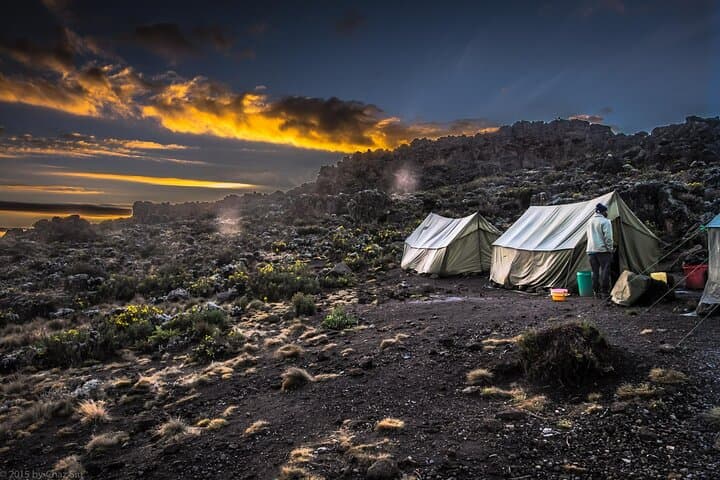
Practical guidance: total elevation gain is roughly 4,100 m from gate to summit; hiking days vary 3–8 hours, with the summit push often taking 6–8 hours up and 7–8 to descend. Carry extra water from the gate—some camps have no reliable water—and layer for rapid temperature swings. Pace conservatively for altitude: the Umbwe Route is short and steep, so deliberate steps, frequent rests, and listening to your guide are essential.
Bring a charged headlamp, spare batteries, and clothing suitable for high winds and sub-zero summit conditions. With fit legs, strong lungs, and respect for the mountain, the sunrise from Uhuru Peak is earned and unforgettable.
challenging.
6 days.
Requires a high level of cardiovascular fitness, leg strength, and prior multi-day backpacking experience; prepare with hill training and long hikes.
You should have strong cardio fitness and experience with multi-day hikes; Umbwe is shorter but steeper than other routes, so training hikes with elevation gain are recommended.
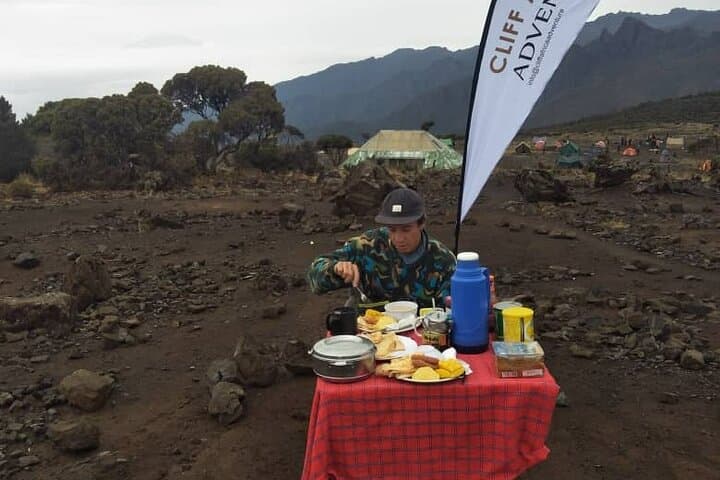
Yes — professional licensed guides, porters, and cooks handle route navigation, camping logistics, meals, and safety throughout the climb.
June–October and late December–February are the most stable windows; the long rains (March–May) and short rains (November) make the trail muddier and increase summit risk.
Altitude sickness, exposure to high winds, and cold at high camps are primary concerns; proper acclimatization, pacing, and following guide instructions mitigate these risks.
Kilimanjaro has long been part of Chagga cultural territory and later became a focus for 19th-century European exploration; its glaciers have been studied as indicators of climate change.
Glacial retreat and changing rainfall patterns threaten high‑altitude ecosystems; stick to established trails and support local conservation fees that fund park protection and community programs.
CLIFF AFRICA ADVENTURE operates guided outdoor trips and adventures with an emphasis on safety, stewardship, and memorable experiences.
You stand at Umbwe Gate (1,800 m) with forest pressing in on either side and a ridge trail that vanishes into green. The Umbwe Route throws itself up the southern flank of Kibo with almost relentless pitches—dense montane canopy gives way to moorland, then a wind-scoured alpine desert that leaves you exposed to the sky and the mountain's mood. Nights are cold and the summit push begins in darkness, a slow shuffle toward Stella Point and then Uhuru Peak (5,895 m).
You stand at Umbwe Gate (1,800 m) with forest pressing in on either side and a ridge trail that vanishes into green. The Umbwe Route throws itself up the southern flank of Kibo with almost relentless pitches—dense montane canopy gives way to moorland, then a wind-scoured alpine desert that leaves you exposed to the sky and the mountain's mood. Nights are cold and the summit push begins in darkness, a slow shuffle toward Stella Point and then Uhuru Peak (5,895 m).
Kilimanjaro is a freestanding volcanic massif: volcanic cones, ancient lava flows and a shrinking ice cap tell a geological story of fire and slow erosion. The mountain is central to Chagga culture; routes like Umbwe were once paths between highland communities and lower forest villages. Expect to cross montane forest inhabited by blue monkeys and hear rock hyrax on the scree slopes as crews and guides manage logistics and safety.
Practical guidance: total elevation gain is roughly 4,100 m from gate to summit; hiking days vary 3–8 hours, with the summit push often taking 6–8 hours up and 7–8 to descend. Carry extra water from the gate—some camps have no reliable water—and layer for rapid temperature swings. Pace conservatively for altitude: the Umbwe Route is short and steep, so deliberate steps, frequent rests, and listening to your guide are essential.
Bring a charged headlamp, spare batteries, and clothing suitable for high winds and sub-zero summit conditions. With fit legs, strong lungs, and respect for the mountain, the sunrise from Uhuru Peak is earned and unforgettable.