THE ADVENTURE COLLECTIVE® · Independent discovery and booking for outdoor travel

Tackle Kilimanjaro’s Machame route in six determined days: from misted rainforest to the arctic summit, this itinerary compresses ecosystems and tests endurance while prioritizing smart acclimatization and local expertise. Read on for what to expect, how to prepare, and practical tips for the summit night.
Tackle Kilimanjaro’s Machame route in six determined days: from misted rainforest to the arctic summit, this itinerary compresses ecosystems and tests endurance while prioritizing smart acclimatization and local expertise. Read on for what to expect, how to prepare, and practical tips for the summit night.
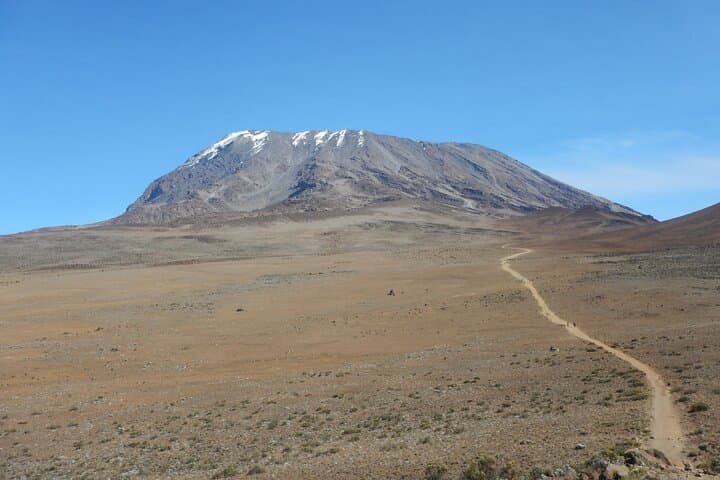
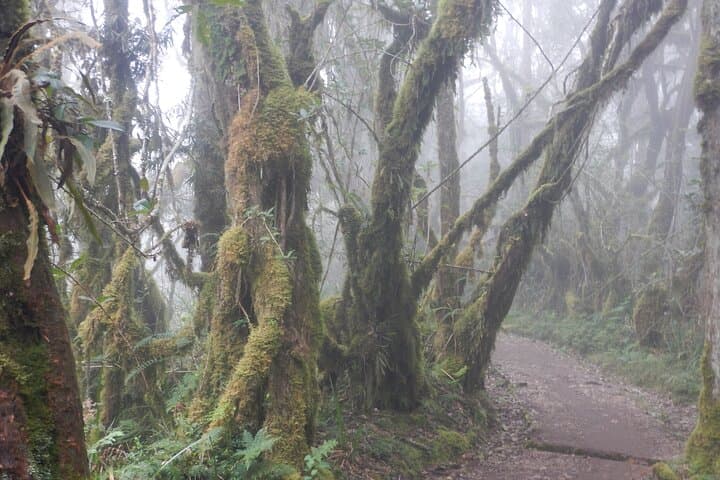
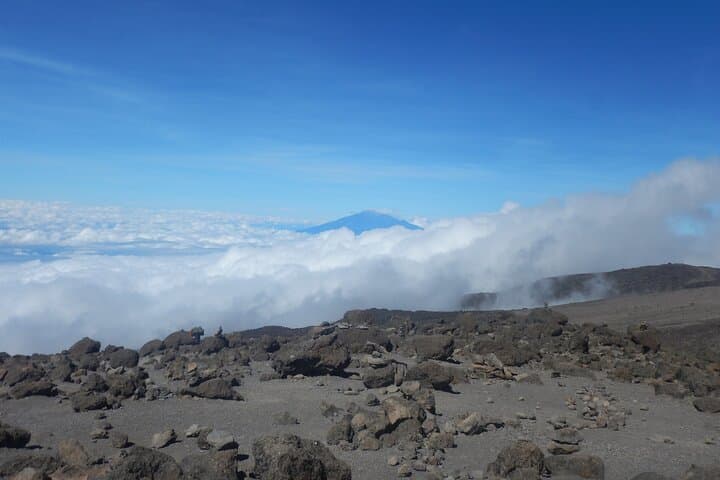
By the time the minivan eases off the highway and the forest swallows the road, Kilimanjaro has already started to rearrange the sky. On the Machame route the mountain doesn't reveal itself politely; it moves in and out of view, testing resolve with sudden fog and then throwing open distant ridgelines. Your first day walks beneath a green ceiling of tropical rainforest — tree trunks slick with mist and streams daring you to keep pace — and by the fourth day the world will have thinned to an alpine desert where wind scours every color but the light.
Verified experiences and guided adventures in the surrounding area.
Operated by Maranje Adventures · Moshi, Kilimanjaro Region
By the time the minivan eases off the highway and the forest swallows the road, Kilimanjaro has already started to rearrange the sky. On the Machame route the mountain doesn't reveal itself politely; it moves in and out of view, testing resolve with sudden fog and then throwing open distant ridgelines. Your first day walks beneath a green ceiling of tropical rainforest — tree trunks slick with mist and streams daring you to keep pace — and by the fourth day the world will have thinned to an alpine desert where wind scours every color but the light.
Kilimanjaro is a freestanding stratovolcano with a geologic story written in lava and glacial ice. The peak you aim for, Uhuru Peak on Kibo’s crater rim, was sculpted by eruptions and the slow gouge of past glaciers; today only remnants of ice remain. The Machame route, called the “Whiskey” for its tougher profile compared to Marangu, traverses rainforest, heather and moorland, semi-desert, and finally arctic conditions — a rapid cross-section of ecosystems that also tell the human story of the mountain: Chagga farming on the lower slopes, porters’ camps, and centuries of local reverence for Kibo as both challenge and livelihood.
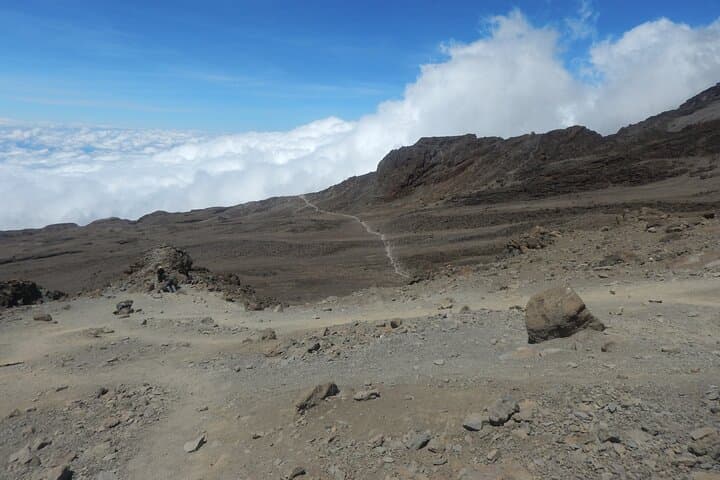
This 6-day itinerary is designed to balance speed with acclimatization: expect day one to climb from roughly 5,400 ft to 9,400 ft across 11 km, and the summit push to rise from about 15,000 ft to 19,341 ft with a midnight start. Terrain shifts fast — muddy, root-choked tracks give way to rocky ridges and steep scree where every step matters. Guides and porters are part of the rhythm here, setting camp, cooking meals, and monitoring pace. Respect their knowledge: they read the mountain the way a sailor reads tides.
Practical edge: train with long uphill hikes, include back-to-back days in your prep, and practice walking on loose scree. Hydration and sleep are non-negotiable; aim for small, regular water intake and prioritize rest on the trail. Footwear should be broken-in, waterproof, and stiff-soled for scree. Bring a reliable headlamp for the summit night and layers you can shed as the sun rises.
Logistics are straightforward: most groups pick up at Kilimanjaro International Airport and spend nights in tents on the mountain, finishing with descent to Mweka Gate and a transfer back to Moshi. Expect 4–6 hours of sleep the summit night and long days up to 10 hours on the mountain. Altitude is the real variable — listen to your guide, speak up about headaches, and accept the slow gains. Reach the rim at sunrise and you'll know why thousands make this hard, noisy approach each season: the moment the summit opens is a raw, honest reward — cold, bright, and real.
challenging.
6 days (approx. 40–60 hours hiking total).
Good aerobic base and repeated-long-hike endurance; recent multi-day backpacking experience strongly recommended
Machame is steeper and more technical than Marangu but provides better acclimatization than shorter routes; it’s recommended for fit hikers comfortable with long, variable terrain.
Acute mountain sickness can occur despite fitness; common signs are headache, nausea and fatigue—guides monitor symptoms and may recommend descent if symptoms worsen.
Yes—Mount Kilimanjaro National Park fees and rescue insurance are required and are typically included in guided packages.
June–October and late December–February offer the most stable weather; however, good windows can occur outside these months—book with a flexible plan.
Beginners with strong fitness, prior multi-day hikes, and strict adherence to pacing and hydration can succeed, but expect physical strain and disrupted sleep.
Most groups return to Moshi; you’ll receive a summit certificate at Mweka Gate and typically transfer to your hotel or the airport.
Kilimanjaro has long been significant to local Chagga communities who farm its lower slopes; the mountain later became a colonial-era climbing destination and modern national park.
The mountain’s shrinking ice caps and fragile alpine soils mean stick to established trails, minimize waste, and use local providers who follow porter welfare and environmental best practices.
Maranje Adventures operates guided outdoor trips and adventures with an emphasis on safety, stewardship, and memorable experiences.
By the time the minivan eases off the highway and the forest swallows the road, Kilimanjaro has already started to rearrange the sky. On the Machame route the mountain doesn't reveal itself politely; it moves in and out of view, testing resolve with sudden fog and then throwing open distant ridgelines. Your first day walks beneath a green ceiling of tropical rainforest — tree trunks slick with mist and streams daring you to keep pace — and by the fourth day the world will have thinned to an alpine desert where wind scours every color but the light.
By the time the minivan eases off the highway and the forest swallows the road, Kilimanjaro has already started to rearrange the sky. On the Machame route the mountain doesn't reveal itself politely; it moves in and out of view, testing resolve with sudden fog and then throwing open distant ridgelines. Your first day walks beneath a green ceiling of tropical rainforest — tree trunks slick with mist and streams daring you to keep pace — and by the fourth day the world will have thinned to an alpine desert where wind scours every color but the light.
Kilimanjaro is a freestanding stratovolcano with a geologic story written in lava and glacial ice. The peak you aim for, Uhuru Peak on Kibo’s crater rim, was sculpted by eruptions and the slow gouge of past glaciers; today only remnants of ice remain. The Machame route, called the “Whiskey” for its tougher profile compared to Marangu, traverses rainforest, heather and moorland, semi-desert, and finally arctic conditions — a rapid cross-section of ecosystems that also tell the human story of the mountain: Chagga farming on the lower slopes, porters’ camps, and centuries of local reverence for Kibo as both challenge and livelihood.
This 6-day itinerary is designed to balance speed with acclimatization: expect day one to climb from roughly 5,400 ft to 9,400 ft across 11 km, and the summit push to rise from about 15,000 ft to 19,341 ft with a midnight start. Terrain shifts fast — muddy, root-choked tracks give way to rocky ridges and steep scree where every step matters. Guides and porters are part of the rhythm here, setting camp, cooking meals, and monitoring pace. Respect their knowledge: they read the mountain the way a sailor reads tides.
Practical edge: train with long uphill hikes, include back-to-back days in your prep, and practice walking on loose scree. Hydration and sleep are non-negotiable; aim for small, regular water intake and prioritize rest on the trail. Footwear should be broken-in, waterproof, and stiff-soled for scree. Bring a reliable headlamp for the summit night and layers you can shed as the sun rises.
Logistics are straightforward: most groups pick up at Kilimanjaro International Airport and spend nights in tents on the mountain, finishing with descent to Mweka Gate and a transfer back to Moshi. Expect 4–6 hours of sleep the summit night and long days up to 10 hours on the mountain. Altitude is the real variable — listen to your guide, speak up about headaches, and accept the slow gains. Reach the rim at sunrise and you'll know why thousands make this hard, noisy approach each season: the moment the summit opens is a raw, honest reward — cold, bright, and real.