THE ADVENTURE COLLECTIVE® · Independent discovery and booking for outdoor travel

Experience Africa's highest peak on the 9-day Machame Route trek up Mount Kilimanjaro. Journey through dense rainforests, alpine moorlands, and volcanic ridges as you prepare for the unforgettable summit at Uhuru Peak.
Experience Africa's highest peak on the 9-day Machame Route trek up Mount Kilimanjaro. Journey through dense rainforests, alpine moorlands, and volcanic ridges as you prepare for the unforgettable summit at Uhuru Peak.
Dawn breaks over Moshi, a bustling gateway town shadowed by the towering silhouette of Mount Kilimanjaro. The Machame Route trek begins here with the quiet anticipation of adventurers readying themselves for Africa’s highest summit. From the lush rainforest that clings to Kilimanjaro’s lower slopes to the alpine moorlands cloaked in giant lobelia and groundsel, each step designs a narrative of changing ecosystems and steadily thinning air.
Verified experiences and guided adventures in the surrounding area.
Operated by Bamba Travel · Moshi, Kilimanjaro Region
Dawn breaks over Moshi, a bustling gateway town shadowed by the towering silhouette of Mount Kilimanjaro. The Machame Route trek begins here with the quiet anticipation of adventurers readying themselves for Africa’s highest summit. From the lush rainforest that clings to Kilimanjaro’s lower slopes to the alpine moorlands cloaked in giant lobelia and groundsel, each step designs a narrative of changing ecosystems and steadily thinning air.
The Machame Route, often called the “Whiskey Route” for its demanding nature, offers a more scenic and less crowded path than the more popular Marangu Route. Over nine days, trekkers ascend from 1,790 meters at the Machame Gate through varied terrain stretching approximately 60 kilometers. The journey pushes through dense indigenous forests where black and white Colobus monkeys dart nimbly among the branches, eventually opening onto barren lava fields skirted by jagged ridges. This route includes steeper climbs, such as the Great Barranco Wall, and important acclimatization days, which increase the chances of reaching Uhuru Peak at 5,895 meters.
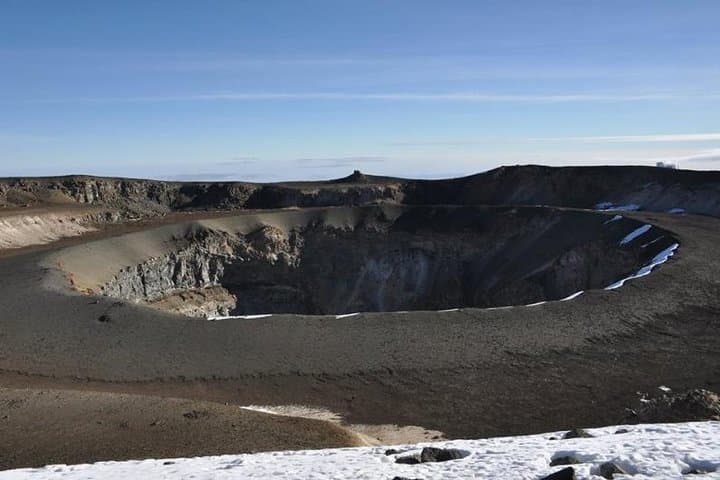
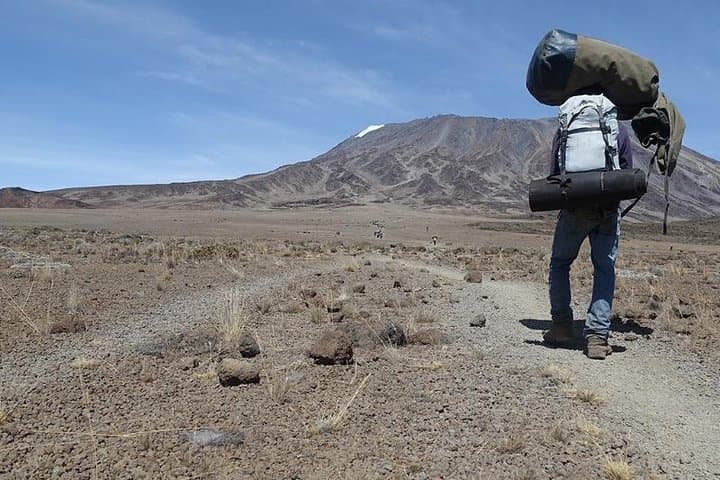
Kilimanjaro itself is a dormant stratovolcano, its Kibo summit often studded with glaciers that reflect the African sun. Unlike technical climbs, this trek relies on endurance and altitude adaptation rather than mountaineering skills. The local Chagga people who live on Kilimanjaro’s lower reaches offer cultural insight as guides and porters support the climb, carrying tents and supplies and sharing stories of their mountain.
Trekking logistics include camping in well-equipped tents along the route, with meals provided by the support crew tailored to replenish energy for long days of hiking. Warm layers, waterproof gear, and sturdy boots are essential, especially for the cold nights above 3,000 meters where temperatures can plummet well below freezing.
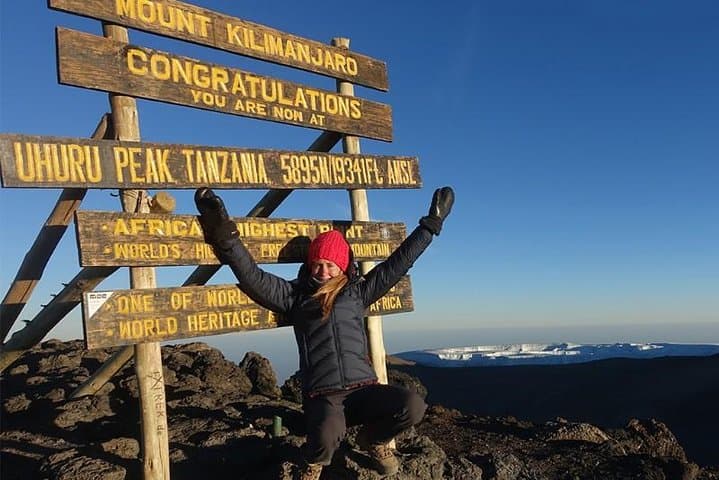
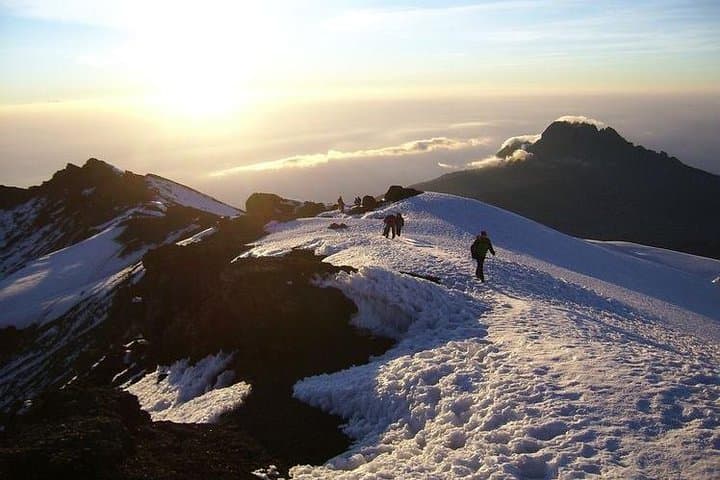
Summit day begins under a midnight sky, with climbers advancing slowly toward Stella Point and then the final push to Uhuru Peak. The sunrise at the top illuminates an expansive vista of the African plains, the glaciers glowing faintly in the morning light. The descent follows a more direct path, allowing for rest and reflection on the achievement.
Practical advice: schedule plenty of time for acclimatization, carry at least 3 liters of water daily, and prepare with a baseline of good fitness and some hiking experience. The best travel seasons are from January to March and June to October when the mountain is driest. Moshi offers necessary accommodations before and after the trek, with opportunities to relax and recover.
The Machame Route trek is a demanding encounter with nature’s extremes, challenging the body and rewarding the spirit. It’s an expedition that blends raw landscape, cultural connection, and personal grit, inviting adventurers to test their limits on Africa’s rooftop.
challenging.
7–9 days.
Good physical fitness with prior trekking or endurance activity experience recommended, plus ability to carry a light daypack.
The dry seasons from January to March and June to October offer the best weather conditions for trekking Kilimanjaro.
While not mandatory, some previous trekking experience and good physical conditioning significantly improve comfort and success rates.
Campsites have tents pitched by porters and basic mess tents, but no permanent facilities like toilets; portable toilet tents are used.
Yes, Kilimanjaro National Park regulations require all trekkers to hire a guide; porters are highly recommended to carry gear and support your ascent.
Filtered water is provided by the support team, but bringing purification tablets is advised as a precaution.
Ascend slowly, stay hydrated, and communicate any symptoms with your guide immediately to minimize risk.
The Machame Route has gained popularity for its combination of scenic appeal and better acclimatization options compared to older, busier routes.
Strict park regulations and support staff enforce Leave No Trace principles to protect Kilimanjaro’s fragile ecosystems from growing visitor impact.
Bamba Travel operates guided outdoor trips and adventures with an emphasis on safety, stewardship, and memorable experiences.
Dawn breaks over Moshi, a bustling gateway town shadowed by the towering silhouette of Mount Kilimanjaro. The Machame Route trek begins here with the quiet anticipation of adventurers readying themselves for Africa’s highest summit. From the lush rainforest that clings to Kilimanjaro’s lower slopes to the alpine moorlands cloaked in giant lobelia and groundsel, each step designs a narrative of changing ecosystems and steadily thinning air.
Dawn breaks over Moshi, a bustling gateway town shadowed by the towering silhouette of Mount Kilimanjaro. The Machame Route trek begins here with the quiet anticipation of adventurers readying themselves for Africa’s highest summit. From the lush rainforest that clings to Kilimanjaro’s lower slopes to the alpine moorlands cloaked in giant lobelia and groundsel, each step designs a narrative of changing ecosystems and steadily thinning air.
The Machame Route, often called the “Whiskey Route” for its demanding nature, offers a more scenic and less crowded path than the more popular Marangu Route. Over nine days, trekkers ascend from 1,790 meters at the Machame Gate through varied terrain stretching approximately 60 kilometers. The journey pushes through dense indigenous forests where black and white Colobus monkeys dart nimbly among the branches, eventually opening onto barren lava fields skirted by jagged ridges. This route includes steeper climbs, such as the Great Barranco Wall, and important acclimatization days, which increase the chances of reaching Uhuru Peak at 5,895 meters.
Kilimanjaro itself is a dormant stratovolcano, its Kibo summit often studded with glaciers that reflect the African sun. Unlike technical climbs, this trek relies on endurance and altitude adaptation rather than mountaineering skills. The local Chagga people who live on Kilimanjaro’s lower reaches offer cultural insight as guides and porters support the climb, carrying tents and supplies and sharing stories of their mountain.
Trekking logistics include camping in well-equipped tents along the route, with meals provided by the support crew tailored to replenish energy for long days of hiking. Warm layers, waterproof gear, and sturdy boots are essential, especially for the cold nights above 3,000 meters where temperatures can plummet well below freezing.
Summit day begins under a midnight sky, with climbers advancing slowly toward Stella Point and then the final push to Uhuru Peak. The sunrise at the top illuminates an expansive vista of the African plains, the glaciers glowing faintly in the morning light. The descent follows a more direct path, allowing for rest and reflection on the achievement.
Practical advice: schedule plenty of time for acclimatization, carry at least 3 liters of water daily, and prepare with a baseline of good fitness and some hiking experience. The best travel seasons are from January to March and June to October when the mountain is driest. Moshi offers necessary accommodations before and after the trek, with opportunities to relax and recover.
The Machame Route trek is a demanding encounter with nature’s extremes, challenging the body and rewarding the spirit. It’s an expedition that blends raw landscape, cultural connection, and personal grit, inviting adventurers to test their limits on Africa’s rooftop.