THE ADVENTURE COLLECTIVE® · Independent discovery and booking for outdoor travel

The Umbwe Route is Kilimanjaro’s steep, direct line from rainforest to summit—shorter in days but intense in exposure and altitude gain. This seven-day itinerary combines rapid ascent, essential acclimatization discipline, and a high-stakes push to Uhuru Peak.
The Umbwe Route is Kilimanjaro’s steep, direct line from rainforest to summit—shorter in days but intense in exposure and altitude gain. This seven-day itinerary combines rapid ascent, essential acclimatization discipline, and a high-stakes push to Uhuru Peak.
You start below a green ceiling: moss-draped forest, a narrow ridge and the Umbwe ravine daring you to keep upward. On day one the trees press close, the trail steep and slippery; by day three the moorland opens and wind begins to shape the sky. On summit night the world goes black and you push toward Stella Point and then Uhuru Peak as dawn slices the horizon.
Verified experiences and guided adventures in the surrounding area.
Operated by Gracepatt Safaris · Moshi, Kilimanjaro Region
You start below a green ceiling: moss-draped forest, a narrow ridge and the Umbwe ravine daring you to keep upward. On day one the trees press close, the trail steep and slippery; by day three the moorland opens and wind begins to shape the sky. On summit night the world goes black and you push toward Stella Point and then Uhuru Peak as dawn slices the horizon.
Geology here is immediate—Kilimanjaro is a three-coned stratovolcano (Shira, Mawenzi, Kibo) whose glaciers are a visible record of change. The Umbwe route ascends the southern flank most directly: short, very steep sections, fast altitude gain and vivid transitions from rainforest to alpine desert. Local culture around Moshi and the Kilimanjaro foothills is dominated by the Chagga people; many climbing crews are Chagga-led and porters form the backbone of any summit bid.
Practically: Umbwe is for experienced trekkers who can move efficiently with acclimatization discipline. Expect 5 days on the mountain with two hotel nights in Moshi, basic mountain bivouacs, and cooked meals on route. Hydration, layering for wide temperature swings, and strict pacing to manage acute mountain sickness are essential. Reserve permits and professional guides in advance; support local crews and follow leave-no-trace rules. If you crave a direct, demanding climb with dramatic ecosystem shifts and a high summit payoff, Umbwe delivers—fast, steep, and uncompromising.
challenging.
6–7 days.
Strong aerobic fitness and prior multi-day trekking experience; ability to hike 6–10 hours on steep grades at altitude.
Umbwe is one of the steepest and shortest routes—physically demanding with rapid altitude gain—recommended for experienced trekkers and fit hikers.
No technical rock or ice-climbing skills are required; the route is non-technical but high-altitude and exposed in places.
Yes—Kilimanjaro National Park requires permits and organized climbs must include licensed guides and registered porters.
Use a slow pace, stay hydrated, sleep lower when possible, recognize symptoms early, and descends if symptoms worsen; consider medication like acetazolamide after consulting a physician.
Kilimanjaro is a dormant stratovolcano with volcanic cones Shira, Mawenzi and Kibo; Uhuru Peak sits on Kibo’s crater rim and has been a regional landmark for centuries.
Glacial retreat and trail erosion are ongoing issues—stick to established routes, minimize waste, hire certified operators, and support local conservation fees.
Gracepatt Safaris operates guided outdoor trips and adventures with an emphasis on safety, stewardship, and memorable experiences.
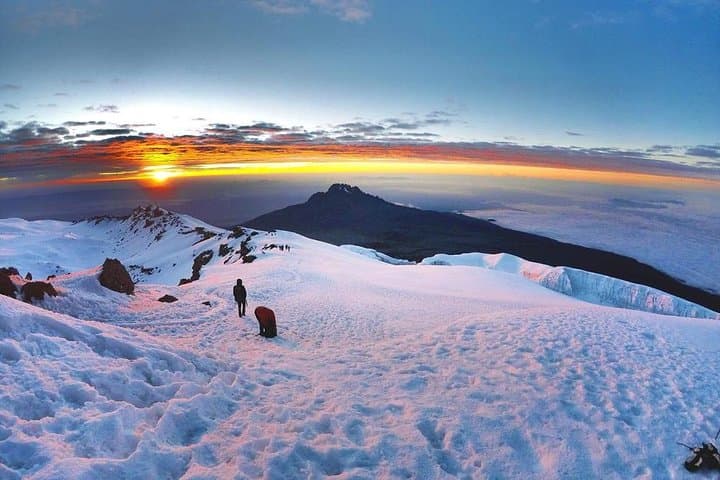
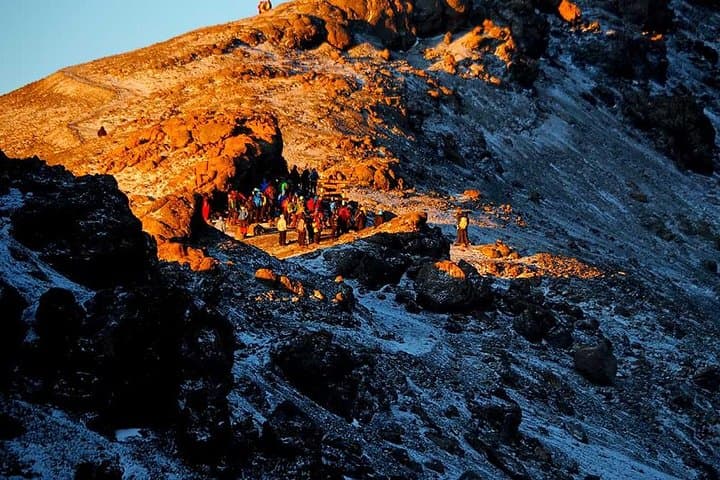
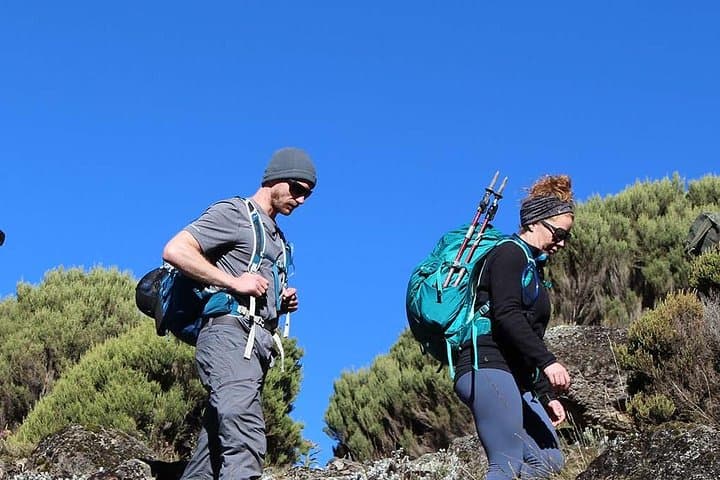

You start below a green ceiling: moss-draped forest, a narrow ridge and the Umbwe ravine daring you to keep upward. On day one the trees press close, the trail steep and slippery; by day three the moorland opens and wind begins to shape the sky. On summit night the world goes black and you push toward Stella Point and then Uhuru Peak as dawn slices the horizon.
You start below a green ceiling: moss-draped forest, a narrow ridge and the Umbwe ravine daring you to keep upward. On day one the trees press close, the trail steep and slippery; by day three the moorland opens and wind begins to shape the sky. On summit night the world goes black and you push toward Stella Point and then Uhuru Peak as dawn slices the horizon.
Geology here is immediate—Kilimanjaro is a three-coned stratovolcano (Shira, Mawenzi, Kibo) whose glaciers are a visible record of change. The Umbwe route ascends the southern flank most directly: short, very steep sections, fast altitude gain and vivid transitions from rainforest to alpine desert. Local culture around Moshi and the Kilimanjaro foothills is dominated by the Chagga people; many climbing crews are Chagga-led and porters form the backbone of any summit bid.
Practically: Umbwe is for experienced trekkers who can move efficiently with acclimatization discipline. Expect 5 days on the mountain with two hotel nights in Moshi, basic mountain bivouacs, and cooked meals on route. Hydration, layering for wide temperature swings, and strict pacing to manage acute mountain sickness are essential. Reserve permits and professional guides in advance; support local crews and follow leave-no-trace rules. If you crave a direct, demanding climb with dramatic ecosystem shifts and a high summit payoff, Umbwe delivers—fast, steep, and uncompromising.