THE ADVENTURE COLLECTIVE® · Independent discovery and booking for outdoor travel

Push from Marrakech into the High Atlas on a seven-day trek to Jebel Toubkal. This itinerary mixes village trails, mule-supported camping and a demanding summit day to reach North Africa’s highest non-technical peak.
Push from Marrakech into the High Atlas on a seven-day trek to Jebel Toubkal. This itinerary mixes village trails, mule-supported camping and a demanding summit day to reach North Africa’s highest non-technical peak.
A cold pre-dawn sky over the High Atlas frames your headlamp as the caravan of mules and guides slips out of the village. The air is thin and honest — each breath counts as you move from olive terraces up toward stone gullies and the distant white roofline of Toubkal Refuge.
Verified experiences and guided adventures in the surrounding area.
Operated by Argania Travel · Marrakech, Marrakesh-Safi
A cold pre-dawn sky over the High Atlas frames your headlamp as the caravan of mules and guides slips out of the village. The air is thin and honest — each breath counts as you move from olive terraces up toward stone gullies and the distant white roofline of Toubkal Refuge.
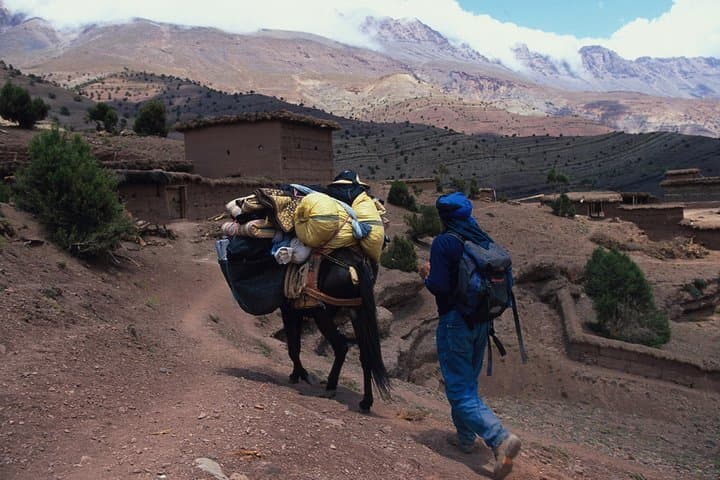
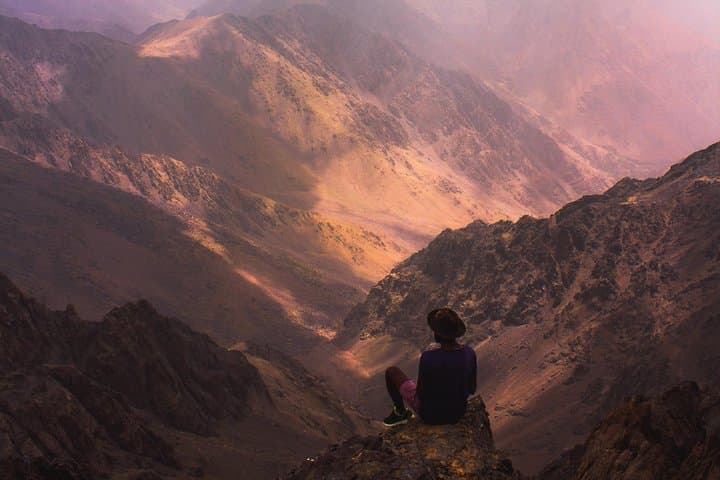
This seven-day route threads Berber hamlets, mule tracks and glacially-carved valleys before the steep final push to Jebel Toubkal (4,167 m), North Africa’s highest peak. Geologically the massif is uplifted metamorphic rock — the ridges rise abruptly from agricultural foothills and funnel weather from the Atlantic into sudden storms. Culturally the trek runs through Amazigh (Berber) communities: expect simple stone houses, terraces of barley and the steady rhythm of muleteers who still move gear the old way.
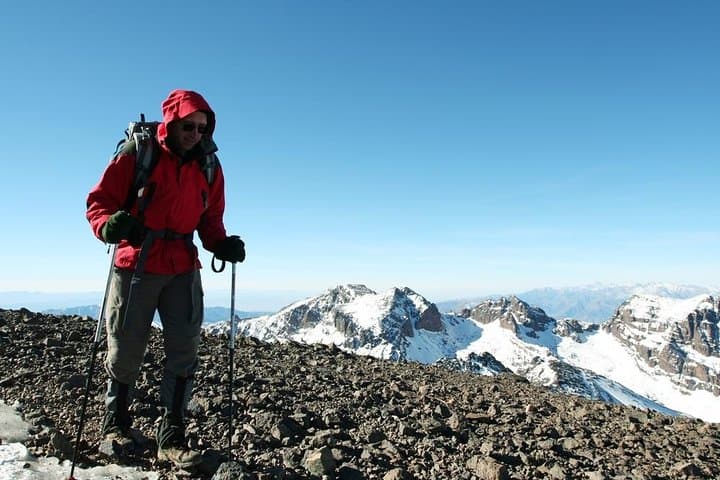
You’ll pass Sidi Chamharouch’s pilgrimage spot (observe local rules), cross waterfalls and spend nights in rif-style refuges and tents. The summit day is long and exposed with loose scree and hard-packed snow depending on season — it’s a demanding hike rather than a technical climb.
Practical guidance: acclimatize in the first two days, carry layered clothing for temperature swings, and pack a water-treatment method — springs are available but not always reliable. Footwear with good ankle support and trekking poles make the ascent and zigzag descents far easier. Start early on summit morning to avoid afternoon weather and plan rest days into your schedule — the mountain rewards patience.
challenging.
7 days.
Good cardiovascular fitness and endurance for 6–8 hour hiking days at altitude; prior multiday trekking experience recommended
No technical climbing gear is required in clear conditions — the route is a steep hike; crampons and an ice axe may be needed in winter or heavy snow and can often be rented locally.
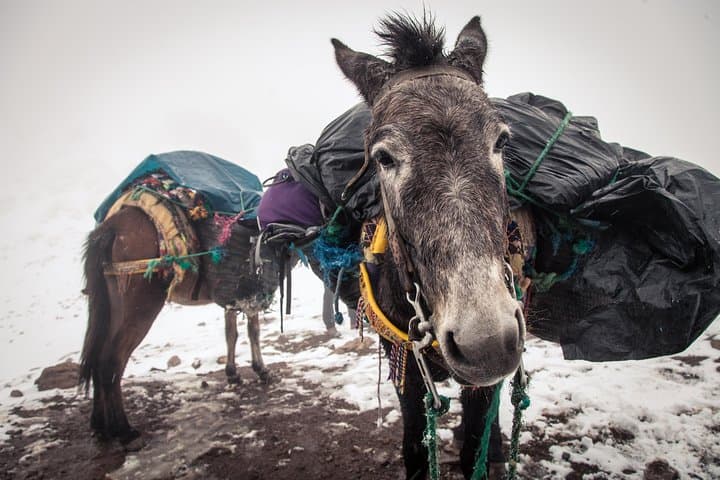
This itinerary typically includes airport transfers, English-speaking guide, muleteers and mules for luggage, meals on trek, and basic lodging in refuges and tents as listed in the itinerary.
You should be in good cardio shape and accustomed to full days of hiking; expect 4–8 hour trekking days with one long summit day of around 6–10 hours.
Late spring to early autumn (May–Oct) offers milder conditions and less snow; winter brings heavy snow and requires winter mountaineering experience and equipment.
The High Atlas has long been inhabited by Amazigh (Berber) communities whose terrace agriculture and seasonal herding shaped the valleys; the trails still follow traditional mule routes.
Stay on trails, pack out all waste, and use locally provided sanitation to minimize impact; support local guides and muleteers to keep benefits in mountain communities.
Argania Travel operates guided outdoor trips and adventures with an emphasis on safety, stewardship, and memorable experiences.
A cold pre-dawn sky over the High Atlas frames your headlamp as the caravan of mules and guides slips out of the village. The air is thin and honest — each breath counts as you move from olive terraces up toward stone gullies and the distant white roofline of Toubkal Refuge.
A cold pre-dawn sky over the High Atlas frames your headlamp as the caravan of mules and guides slips out of the village. The air is thin and honest — each breath counts as you move from olive terraces up toward stone gullies and the distant white roofline of Toubkal Refuge.
This seven-day route threads Berber hamlets, mule tracks and glacially-carved valleys before the steep final push to Jebel Toubkal (4,167 m), North Africa’s highest peak. Geologically the massif is uplifted metamorphic rock — the ridges rise abruptly from agricultural foothills and funnel weather from the Atlantic into sudden storms. Culturally the trek runs through Amazigh (Berber) communities: expect simple stone houses, terraces of barley and the steady rhythm of muleteers who still move gear the old way.
You’ll pass Sidi Chamharouch’s pilgrimage spot (observe local rules), cross waterfalls and spend nights in rif-style refuges and tents. The summit day is long and exposed with loose scree and hard-packed snow depending on season — it’s a demanding hike rather than a technical climb.
Practical guidance: acclimatize in the first two days, carry layered clothing for temperature swings, and pack a water-treatment method — springs are available but not always reliable. Footwear with good ankle support and trekking poles make the ascent and zigzag descents far easier. Start early on summit morning to avoid afternoon weather and plan rest days into your schedule — the mountain rewards patience.