THE ADVENTURE COLLECTIVE® · Independent discovery and booking for outdoor travel

Take on Mount Hua’s hair-raising plank walkway, where a 30 cm wooden path clings to a vertical face above a thousand-metre drop. This guide outlines what to expect, safety realities, and how to prepare for a long, exposure-heavy day on one of China’s most famous peaks.
Take on Mount Hua’s hair-raising plank walkway, where a 30 cm wooden path clings to a vertical face above a thousand-metre drop. This guide outlines what to expect, safety realities, and how to prepare for a long, exposure-heavy day on one of China’s most famous peaks.
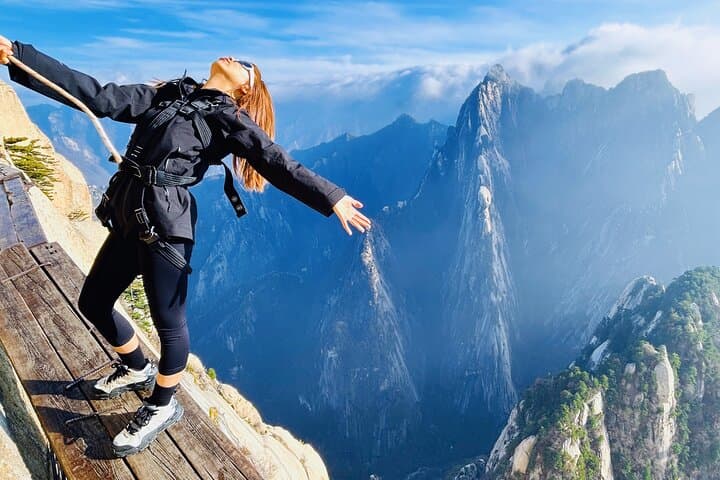
The cliff leans in and the path disappears into a throat of stone — foot after careful foot you move along a thirty-centimetre wooden plank bolted to the vertical face of Mount Hua, with a thousand metres of air daring you to look down.
Verified experiences and guided adventures in the surrounding area.
Operated by ChangAn 'journey · Huayin, Shaanxi
The cliff leans in and the path disappears into a throat of stone — foot after careful foot you move along a thirty-centimetre wooden plank bolted to the vertical face of Mount Hua, with a thousand metres of air daring you to look down.
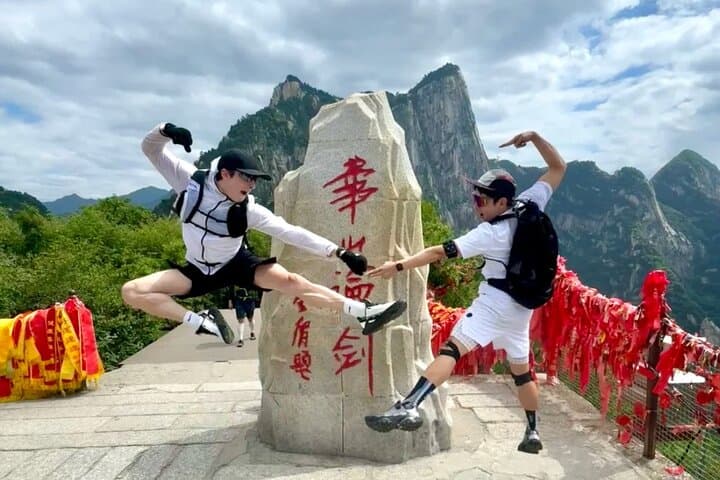
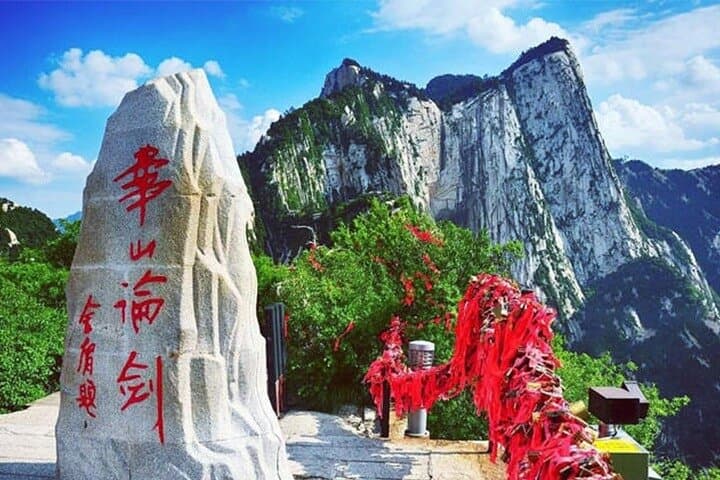
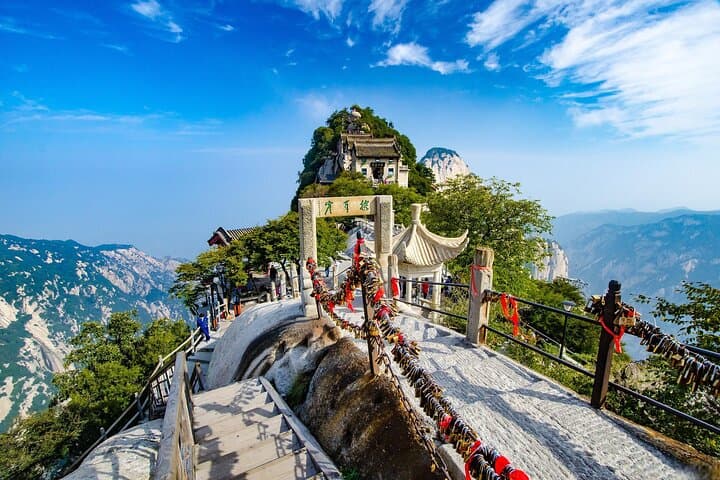
Rising to 2,154.9 m, Mount Hua (Hua Shan) is one of China’s five sacred Taoist mountains. Its granite flanks were carved by tectonic uplift and millennia of freeze-thaw, creating knife-edge ridges and exposed slabs. Temples such as Yuquan reflect a long spiritual relationship with the peaks; the mountain is designated a national 5A scenic area and still attracts pilgrims and thrill-seekers alike.
The highlight — the Changkong (plank) Walkway — is famously narrow and exposed. The plank path is a technical test of nerves rather than climbing skill; operators require safety belts and basic route protocols. While guides introduce the route and logistics, they typically do not accompany climbers up the exposed sections, so personal preparation matters.
Practical edge: the full-day itinerary runs long (about 9–17 hours depending on pace and transport), so plan for early starts, steady pacing and hydration. Wear stiff-soled hiking shoes, bring layered clothing for wind and temperature swings, and confirm whether a harness or belt is provided before arrival. Health restrictions (spinal, cardiac, pregnancy) are commonly enforced; if in doubt, opt for the cable car options that shorten the ascent.
In short, the Huashan plank trail is an exposure-heavy, high-reward alpine walk — one that rewards respect, preparation and calm feet.
challenging.
9–17 hours.
Requires good cardiovascular fitness and leg endurance for a long day of steep ascents/descents and sustained exposure tolerance.
The plank is exposure-heavy but does not require technical climbing skills; beginners can do it with a good head for heights, proper safety belt, and cautious pacing.
Most tours provide an introductory briefing and logistics support, but guides typically do not accompany individuals along the exposed plank; confirm specific operator policies before booking.
Yes — several cable car routes and shorter approaches exist that reduce vertical gain and time on exposed trails; use them if you prefer less sustained ascent.
People with spinal injuries, cardiovascular problems, or pregnancy are usually advised against attempting exposed sections; organizers often state these restrictions in booking details.
Mount Hua has long been a center of Taoist practice; monasteries and historical inscriptions date back centuries and the area is protected as a national 5A scenic spot.
Stick to established paths, pack out waste, and avoid feeding wildlife—visitor pressure and litter are the primary local impacts to manage.
ChangAn 'journey operates guided outdoor trips and adventures with an emphasis on safety, stewardship, and memorable experiences.
The cliff leans in and the path disappears into a throat of stone — foot after careful foot you move along a thirty-centimetre wooden plank bolted to the vertical face of Mount Hua, with a thousand metres of air daring you to look down.
The cliff leans in and the path disappears into a throat of stone — foot after careful foot you move along a thirty-centimetre wooden plank bolted to the vertical face of Mount Hua, with a thousand metres of air daring you to look down.
Rising to 2,154.9 m, Mount Hua (Hua Shan) is one of China’s five sacred Taoist mountains. Its granite flanks were carved by tectonic uplift and millennia of freeze-thaw, creating knife-edge ridges and exposed slabs. Temples such as Yuquan reflect a long spiritual relationship with the peaks; the mountain is designated a national 5A scenic area and still attracts pilgrims and thrill-seekers alike.
The highlight — the Changkong (plank) Walkway — is famously narrow and exposed. The plank path is a technical test of nerves rather than climbing skill; operators require safety belts and basic route protocols. While guides introduce the route and logistics, they typically do not accompany climbers up the exposed sections, so personal preparation matters.
Practical edge: the full-day itinerary runs long (about 9–17 hours depending on pace and transport), so plan for early starts, steady pacing and hydration. Wear stiff-soled hiking shoes, bring layered clothing for wind and temperature swings, and confirm whether a harness or belt is provided before arrival. Health restrictions (spinal, cardiac, pregnancy) are commonly enforced; if in doubt, opt for the cable car options that shorten the ascent.
In short, the Huashan plank trail is an exposure-heavy, high-reward alpine walk — one that rewards respect, preparation and calm feet.