THE ADVENTURE COLLECTIVE® · Independent discovery and booking for outdoor travel

A four-day guided trek that bundles wilderness permits, backcountry meals, and cable-supported summiting of Half Dome into one seamless Yosemite experience. Hike, swim, and stand on Clouds Rest with expert guides who handle logistics and safety.
A four-day guided trek that bundles wilderness permits, backcountry meals, and cable-supported summiting of Half Dome into one seamless Yosemite experience. Hike, swim, and stand on Clouds Rest with expert guides who handle logistics and safety.
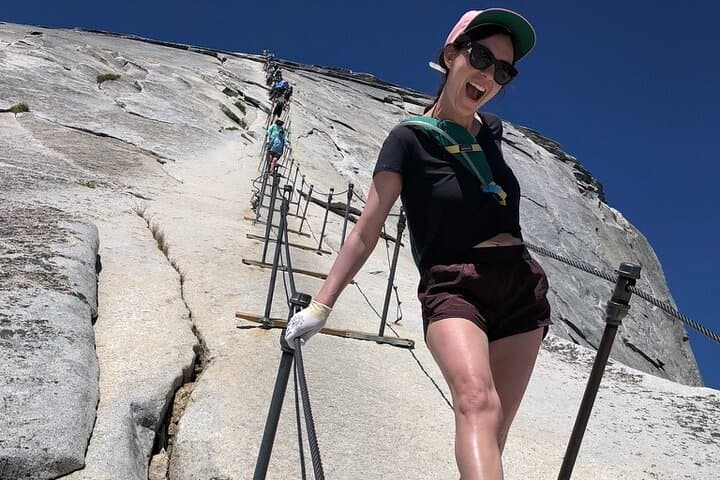
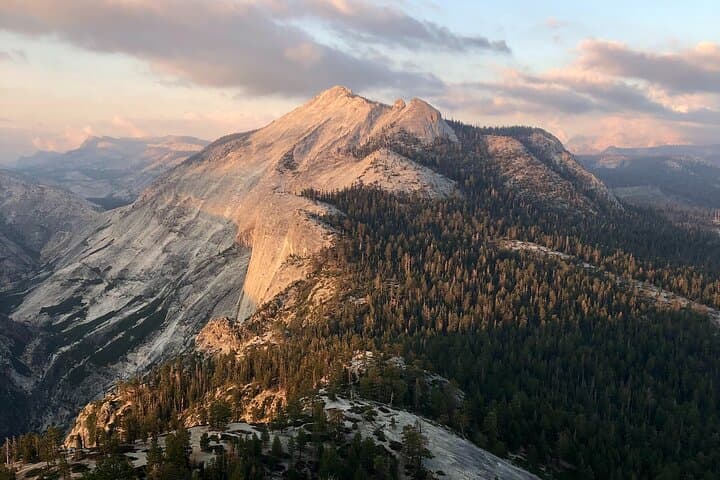
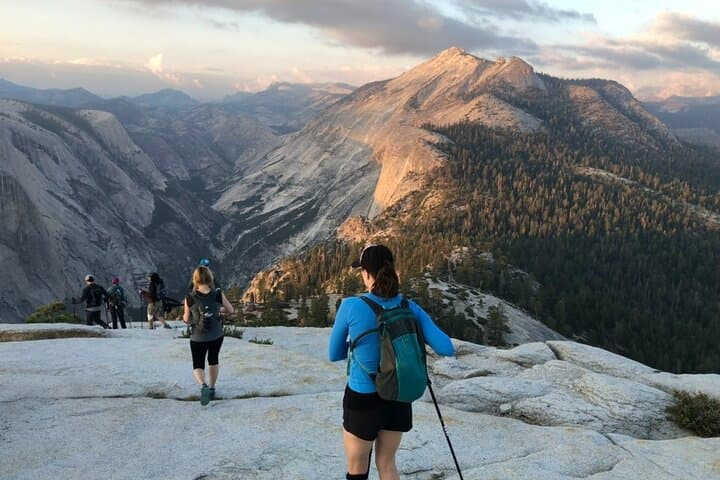
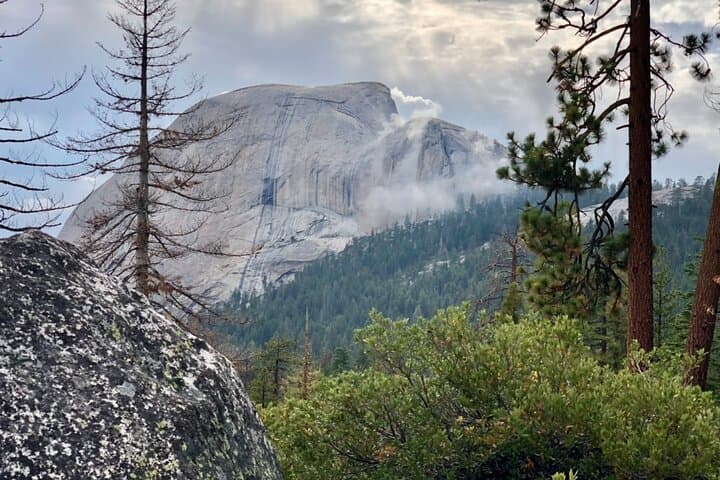
Dawn breaks over Mono Meadows and the first light turns granite to a hard, pale gold. Guides check harnesses and tighten pack straps while the meadow around them shakes off night chill; a creek dares you to wade in and a pica squeaks from the rocks like a small alarm clock. Over the next four days you'll move from that quiet alpine edge through Little Yosemite Valley, press your palms against the Half Dome cables, stand on Clouds Rest watching the valley unfold below you, and slide into a secret granite waterslide—each moment arranged so the landscape feels earned, not rushed.
Verified experiences and guided adventures in the surrounding area.
Operated by Urban Diversion · Yosemite Valley, California
Dawn breaks over Mono Meadows and the first light turns granite to a hard, pale gold. Guides check harnesses and tighten pack straps while the meadow around them shakes off night chill; a creek dares you to wade in and a pica squeaks from the rocks like a small alarm clock. Over the next four days you'll move from that quiet alpine edge through Little Yosemite Valley, press your palms against the Half Dome cables, stand on Clouds Rest watching the valley unfold below you, and slide into a secret granite waterslide—each moment arranged so the landscape feels earned, not rushed.
Yosemite's big granite features read like a geological record: glaciers gouged and polished the valleys here over millennia, leaving sheer walls and rounded domes. The Ahwahnechee people have long known these places as living country; later, naturalists like John Muir and early climbers wrote stories that turned Yosemite into both a conservation rallying point and a climbing mecca. That layered history—indigenous stewardship, conservation policy, climbing culture—still shapes how you move through the park today. Permits, leave-no-trace discipline, and seasonal closures are all part of the terrain you plan for.
This guided itinerary threads practical logistics through those landscapes. Day 1 is a gentle 3-mile approach (≈290 feet gain) to a meadow camp where guides set a stove and a dinner pot while you rinse off in a cold creek. Day 2 moves you into Little Yosemite Valley (≈5.1 miles, 1,110 feet gain), then sends a fit party up Half Dome via the cables—expect a 7-mile round-trip push with roughly 3,000 feet of gain to the summit. Day 3 is a longer alpine day to Clouds Rest (≈10 miles, 4,000 feet gain) with panoramic exposures and a mellow downhill to a hidden plunge pool. Day 4 returns via Nevada Falls and the Panorama Trail (≈8.6 miles, 2,600 feet lost and gained), back to the trailhead with sore legs and a solid sense of accomplishment.
Practical edges matter here: wilderness and Half Dome permits are handled by the outfitter, but personal comfort is controlled by the gear you choose and the pace you set. Hydration, high-energy snacks, sturdy footwear with good traction for cables and wet granite, and a layered system for cold mornings are essentials. Your guides carry group gear, bear canisters when required, and emergency satellite messaging, but each traveler is responsible for a tent, sleeping pad, and personal items.
Timing is tactical—start early for Half Dome to avoid crowds and heat on exposed rock; plan for midseason weather swings at high elevation; and treat river swims and waterslides as a reward, not a risk. With permits secured and logistics handled, the trip strips away the usual friction of big-name destinations so the mountain does the persuading: move carefully, look up often, and let the park push you into the story you came for.
challenging.
4 days.
You should have a high level of fitness: regular uphill hiking, backpacking experience, and comfort with sustained climbs and long daily mileage.
Yes—the outfitter secures wilderness and Half Dome cable permits and the necessary entrance reservations as part of the tour.
No technical climbing skills are required, but you should be comfortable with exposed scrambling and using your hands on the cable ascent; guides brief group technique and safety.
Three breakfasts and three dinners plus trail snacks are included; guides accommodate most dietary restrictions with advance notice.
You must bring personal camping gear: tent, sleeping bag, sleeping pad, clothing, and personal items; a full packing list is provided upon booking.
This itinerary is not recommended for travelers with spinal injuries or severe back/neck problems due to sustained hiking and uneven terrain.
Trips may be canceled for severe weather; the operator has emergency protocols and satellite messaging, but all sales are final per the cancellation policy.
The Ahwahnechee people lived and traveled through these valleys for generations; Yosemite later became central to the U.S. conservation movement shaped by early naturalists and climbers.
Permits and strict food storage rules limit human impact; follow Leave No Trace principles and pack out what you pack in to protect fragile alpine meadows.
Urban Diversion operates guided outdoor trips and adventures with an emphasis on safety, stewardship, and memorable experiences.
Dawn breaks over Mono Meadows and the first light turns granite to a hard, pale gold. Guides check harnesses and tighten pack straps while the meadow around them shakes off night chill; a creek dares you to wade in and a pica squeaks from the rocks like a small alarm clock. Over the next four days you'll move from that quiet alpine edge through Little Yosemite Valley, press your palms against the Half Dome cables, stand on Clouds Rest watching the valley unfold below you, and slide into a secret granite waterslide—each moment arranged so the landscape feels earned, not rushed.
Dawn breaks over Mono Meadows and the first light turns granite to a hard, pale gold. Guides check harnesses and tighten pack straps while the meadow around them shakes off night chill; a creek dares you to wade in and a pica squeaks from the rocks like a small alarm clock. Over the next four days you'll move from that quiet alpine edge through Little Yosemite Valley, press your palms against the Half Dome cables, stand on Clouds Rest watching the valley unfold below you, and slide into a secret granite waterslide—each moment arranged so the landscape feels earned, not rushed.
Yosemite's big granite features read like a geological record: glaciers gouged and polished the valleys here over millennia, leaving sheer walls and rounded domes. The Ahwahnechee people have long known these places as living country; later, naturalists like John Muir and early climbers wrote stories that turned Yosemite into both a conservation rallying point and a climbing mecca. That layered history—indigenous stewardship, conservation policy, climbing culture—still shapes how you move through the park today. Permits, leave-no-trace discipline, and seasonal closures are all part of the terrain you plan for.
This guided itinerary threads practical logistics through those landscapes. Day 1 is a gentle 3-mile approach (≈290 feet gain) to a meadow camp where guides set a stove and a dinner pot while you rinse off in a cold creek. Day 2 moves you into Little Yosemite Valley (≈5.1 miles, 1,110 feet gain), then sends a fit party up Half Dome via the cables—expect a 7-mile round-trip push with roughly 3,000 feet of gain to the summit. Day 3 is a longer alpine day to Clouds Rest (≈10 miles, 4,000 feet gain) with panoramic exposures and a mellow downhill to a hidden plunge pool. Day 4 returns via Nevada Falls and the Panorama Trail (≈8.6 miles, 2,600 feet lost and gained), back to the trailhead with sore legs and a solid sense of accomplishment.
Practical edges matter here: wilderness and Half Dome permits are handled by the outfitter, but personal comfort is controlled by the gear you choose and the pace you set. Hydration, high-energy snacks, sturdy footwear with good traction for cables and wet granite, and a layered system for cold mornings are essentials. Your guides carry group gear, bear canisters when required, and emergency satellite messaging, but each traveler is responsible for a tent, sleeping pad, and personal items.
Timing is tactical—start early for Half Dome to avoid crowds and heat on exposed rock; plan for midseason weather swings at high elevation; and treat river swims and waterslides as a reward, not a risk. With permits secured and logistics handled, the trip strips away the usual friction of big-name destinations so the mountain does the persuading: move carefully, look up often, and let the park push you into the story you came for.